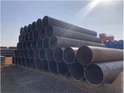
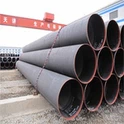
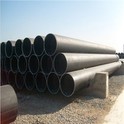
Hey there! As a supplier of ASTM A671 steel pipes, I often get asked about the electrical conductivity of these pipes. So, I thought I'd take a deep dive into this topic and share what I've learned.


First off, let's talk a bit about ASTM A671 steel pipes. These pipes are designed for use in various applications, especially in atmospheric and lower - temperature environments. They're great for projects where you need a reliable and durable steel pipe. You can learn more about their applications in atmospheric and lower - temperature settings on this page: Steel Pipe for Atmospheric and Lower Temperatures.
Now, getting to the main point - electrical conductivity. Electrical conductivity is a measure of how well a material can conduct an electric current. It's usually expressed in siemens per meter (S/m). For metals, this property is crucial in many industries, like electronics and power transmission.
ASTM A671 steel pipes are made from carbon alloy steels. Carbon steel is an alloy of iron and carbon, with other elements added in small amounts to enhance certain properties. The electrical conductivity of carbon steel can vary depending on a few factors.
One of the key factors is the carbon content. Generally, as the carbon content in the steel increases, the electrical conductivity decreases. This is because carbon atoms disrupt the regular lattice structure of the iron, making it more difficult for electrons to flow freely through the material. In ASTM A671 steel pipes, the carbon content is carefully controlled to balance mechanical properties like strength and toughness with other characteristics, including electrical conductivity.
Another factor that affects electrical conductivity is the presence of other alloying elements. Elements like manganese, silicon, and nickel are often added to ASTM A671 steel pipes. Manganese can improve the hardenability and strength of the steel, but it can also have an impact on electrical conductivity. Silicon is used to deoxidize the steel during the manufacturing process, and its presence can slightly alter the electrical properties. Nickel, on the other hand, can increase the corrosion resistance of the steel and may also have an influence on how well the steel conducts electricity.
In general, the electrical conductivity of ASTM A671 steel pipes is relatively low compared to pure metals like copper or aluminum. Copper is well - known for its high electrical conductivity, which is why it's widely used in electrical wiring. Aluminum also has good conductivity and is used in power transmission lines. But ASTM A671 steel pipes are not typically chosen for their electrical conductivity. Instead, they're used for their strength, durability, and ability to withstand harsh environmental conditions.
For example, in LTCS Pipe applications, where the pipes need to perform well at low temperatures, the focus is more on the material's mechanical properties rather than its electrical conductivity. The pipes need to be able to resist cracking and maintain their structural integrity in cold environments.
Similarly, in high - pressure applications like those using EFW Carbon Alloy Steel Pipes High Pressure, the emphasis is on the pipe's ability to handle high internal pressures without failing. Electrical conductivity is not a primary concern in these scenarios.
But that doesn't mean the electrical conductivity of ASTM A671 steel pipes is completely irrelevant. In some cases, where there's a need to prevent static electricity buildup, the pipes' electrical properties might come into play. Static electricity can be a problem in industries where flammable materials are present, as it can cause sparks and potentially lead to explosions.
If you're in a situation where you need to manage static electricity, you might need to take into account the electrical conductivity of the ASTM A671 steel pipes. You could also consider using grounding techniques to ensure that any static charges are safely dissipated.
When it comes to measuring the electrical conductivity of ASTM A671 steel pipes, there are a few methods. One common method is the four - point probe technique. In this method, four probes are placed on the surface of the steel pipe. A current is passed through the outer two probes, and the voltage is measured across the inner two probes. Using Ohm's law (V = IR), the resistance of the material can be calculated, and from the resistance, the electrical conductivity can be determined.
However, it's important to note that the electrical conductivity can vary along the length and across the cross - section of the pipe. This is due to factors like variations in the manufacturing process, such as differences in cooling rates during production, which can lead to local differences in the material's microstructure.
So, if you're thinking about using ASTM A671 steel pipes for a project, it's a good idea to consult with a materials expert or a testing laboratory. They can help you understand the specific electrical conductivity characteristics of the pipes you're considering and how they might impact your application.
In conclusion, while ASTM A671 steel pipes are not known for their high electrical conductivity, they offer a range of other valuable properties that make them suitable for a wide variety of applications. Whether you're dealing with low - temperature environments, high - pressure systems, or just need a strong and durable pipe, these pipes can be a great choice.
If you're interested in purchasing ASTM A671 steel pipes for your project, I'd love to have a chat with you. We can discuss your specific requirements, including any concerns you might have about the pipes' electrical conductivity or other properties. Just reach out, and we can start the conversation about how our pipes can meet your needs.
References:
- "Metallurgy of Steel" - A general reference on the properties of steel, including factors affecting electrical conductivity.
- ASTM International standards for A671 steel pipes, which provide detailed information on the composition and properties of these pipes.