


As a supplier of Port Building Piles, I've been deeply involved in the industry for quite some time. Over the years, I've witnessed the remarkable growth and development of port construction projects. However, with the increasing emphasis on environmental protection, a question that often comes up is: Are there any environmental impacts of port building piles? In this blog, I'll delve into this topic, presenting both the positive and negative environmental aspects associated with port building piles.
Positive Environmental Impacts
1. Habitat Creation
Port building piles can serve as artificial reefs, providing a habitat for various marine organisms. When piles are installed in the water, they create a hard substrate in an otherwise soft - bottomed environment. This new structure attracts a wide range of marine life, from small invertebrates like barnacles and mussels to larger fish species. The barnacles and mussels attach themselves to the piles, and in turn, become a food source for other organisms. This process helps to increase the biodiversity in the area. For example, research has shown that in some ports, the number of fish species has increased significantly after the installation of piles. This is similar to how natural reefs support a complex ecosystem, and the piles act as a man - made substitute.
2. Coastal Protection
Port building piles can play a role in protecting the coastline from erosion. In areas where the shore is vulnerable to wave action and strong currents, piles can act as a buffer. They dissipate the energy of the waves, reducing the impact on the shoreline. By preventing excessive erosion, they help to maintain the integrity of the coastal ecosystem. This is especially important in regions where the loss of coastal habitats can have far - reaching consequences for wildlife and human settlements. For instance, in some low - lying coastal areas, the installation of piles has helped to prevent the intrusion of seawater into freshwater wetlands, thus preserving the unique ecological balance of these areas.
Negative Environmental Impacts
1. Sediment Disturbance
One of the most significant negative impacts of installing port building piles is the disturbance of sediment. During the pile - driving process, large amounts of sediment are stirred up from the seabed. This can have several adverse effects. Firstly, the increased turbidity in the water can reduce the amount of sunlight that penetrates, which is crucial for photosynthetic organisms such as seagrasses. Seagrasses are important habitats for many marine species, and a decrease in their growth can disrupt the entire food chain. Secondly, the suspended sediment can smother benthic organisms, such as clams and oysters, which live on or in the seabed. This can lead to a decline in their populations and a loss of biodiversity.
2. Noise Pollution
Pile - driving operations generate a significant amount of noise. The loud noise can have a detrimental effect on marine mammals, such as dolphins and whales, which rely on sound for communication, navigation, and hunting. High - intensity noise can cause stress, hearing loss, and even behavioral changes in these animals. For example, some studies have shown that dolphins may avoid areas where pile - driving is taking place, which can disrupt their normal feeding and breeding patterns. In addition, the noise can also affect fish and other marine organisms, interfering with their ability to detect predators and prey.
3. Chemical Contamination
Port building piles are often made of materials such as steel. During the manufacturing and installation process, there is a risk of chemical contamination. For example, if the steel piles are coated with anti - fouling paints, these paints may contain heavy metals such as copper and zinc. Over time, these metals can leach into the water, posing a threat to marine life. The heavy metals can accumulate in the tissues of organisms, causing toxicity and long - term health problems. In addition, if the piles are made from recycled materials, there may be a risk of other contaminants being present.
Mitigation Measures
To minimize the negative environmental impacts of port building piles, several mitigation measures can be taken.
1. Sediment Management
Before pile installation, sediment monitoring should be carried out to understand the baseline conditions. During the pile - driving process, sediment barriers can be installed around the pile to contain the suspended sediment. Additionally, the use of alternative pile - installation methods, such as drilling instead of driving, can reduce the amount of sediment disturbance.

2. Noise Reduction
To reduce noise pollution, quieter pile - driving techniques can be employed. For example, hydraulic hammers are generally quieter than traditional diesel hammers. In addition, bubble curtains can be used around the pile. The bubbles act as a sound - absorbing layer, reducing the transmission of noise into the water.
3. Environment - Friendly Materials
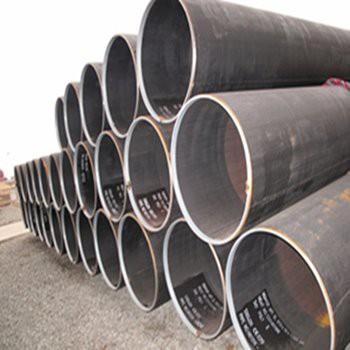
When selecting materials for port building piles, it is important to choose those that are environmentally friendly. For example, using ASTM A252 Grade 2 Piling Pipe which has certain environmental advantages in terms of its composition and manufacturing process. Avoiding the use of anti - fouling paints with high levels of heavy metals and instead opting for more sustainable alternatives can also help to reduce chemical contamination.
Conclusion
In conclusion, port building piles have both positive and negative environmental impacts. While they can create habitats and protect the coastline, they also pose challenges such as sediment disturbance, noise pollution, and chemical contamination. As a Port Building Pile supplier, it is our responsibility to be aware of these impacts and take appropriate measures to minimize the negative effects. By using environmentally friendly materials, adopting advanced construction techniques, and implementing proper mitigation measures, we can ensure that port construction projects are carried out in an environmentally sustainable manner.
If you are involved in a port construction project and are in need of high - quality port building piles, such as Undergroud Pile, feel free to contact us. We are committed to providing you with products that not only meet your project requirements but also adhere to environmental standards. Let's work together to build ports that are both functional and environmentally friendly.
References
- "The Impact of Pile - Driving on Marine Ecosystems", Marine Ecology Journal, Vol. XX, Issue XX, 20XX
- "Artificial Reefs Created by Port Structures", Coastal Engineering Research Report, 20XX
- "Environmental Management in Port Construction", International Journal of Port Development, Vol. XX, Issue XX, 20XX


