


As a supplier of 2LPP Coating, ensuring the quality and performance of our products is of utmost importance. One critical aspect of this is testing the UV resistance of the 2LPP Coating. In this blog, I will share with you the methods and procedures we use to test the UV resistance of our 2LPP Coating, along with some insights into why it matters.
Why Test UV Resistance?
UV radiation from the sun can have a significant impact on the performance and durability of coatings. Over time, exposure to UV rays can cause the coating to degrade, leading to issues such as chalking, cracking, peeling, and loss of adhesion. For applications where the coated surface is exposed to sunlight, such as pipelines, outdoor structures, and automotive parts, having a coating with good UV resistance is essential to maintain its appearance and protective properties.
Understanding 2LPP Coating
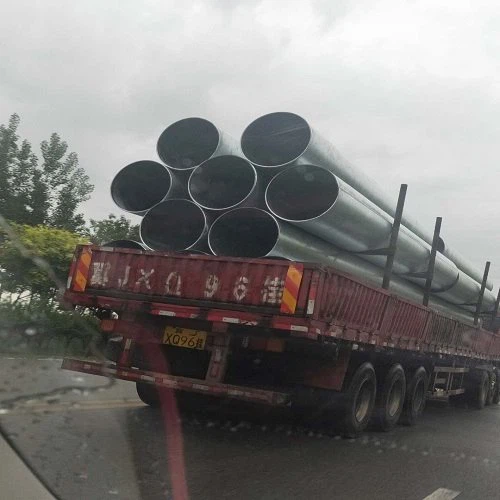
Before diving into the testing methods, let's briefly understand what 2LPP Coating is. 2LPP (Two-Layer Polypropylene) Coating is a type of anti-corrosion coating commonly used for steel pipes and other metal substrates. It consists of a primer layer and a topcoat layer, both made of polypropylene. The primer layer provides adhesion to the substrate, while the topcoat layer offers protection against environmental factors, including UV radiation. You can learn more about 2LPP Coating here.
Testing Methods
1. Accelerated Weathering Test
The accelerated weathering test is one of the most common methods used to evaluate the UV resistance of coatings. In this test, samples of the 2LPP Coating are exposed to artificial UV radiation in a controlled environment. The test chamber simulates the conditions of natural sunlight, including UV intensity, temperature, and humidity.
We use a xenon arc lamp in our accelerated weathering test chambers. The xenon arc lamp emits a spectrum of light that closely resembles natural sunlight, including UV, visible, and infrared radiation. The samples are placed in the chamber and exposed to the xenon arc lamp for a specified period, typically ranging from hundreds to thousands of hours.
During the test, we monitor the samples for any signs of degradation, such as color change, gloss loss, cracking, and chalking. We also measure the physical and mechanical properties of the coating, such as hardness, adhesion, and impact resistance, before and after the test to assess the extent of damage.
2. Natural Weathering Test
In addition to the accelerated weathering test, we also conduct natural weathering tests. In this test, samples of the 2LPP Coating are exposed to the natural environment at a specific location for an extended period, usually several months to years.
We have established outdoor exposure sites in different geographical locations with varying climates, including coastal areas, deserts, and urban environments. The samples are mounted on racks and exposed to the sun, rain, wind, and other environmental factors.
Periodically, we inspect the samples and record any changes in their appearance and performance. The natural weathering test provides valuable information about how the coating will perform in real-world conditions over an extended period. However, it is a time-consuming process, and the results can be influenced by the local climate and environmental conditions.
3. Spectrophotometric Analysis
Spectrophotometric analysis is a technique used to measure the color and spectral properties of the coating. In this test, we use a spectrophotometer to measure the reflectance and transmittance of the coating at different wavelengths of light, including UV, visible, and infrared.
Before and after the weathering tests, we take spectrophotometric measurements of the samples to detect any changes in color and spectral properties. A significant change in color or spectral properties indicates that the coating has been affected by UV radiation.
4. Adhesion Test
The adhesion of the coating to the substrate is an important factor in determining its performance and durability. In the adhesion test, we use a cross-cut test or a pull-off test to evaluate the adhesion strength of the 2LPP Coating before and after the weathering tests.
In the cross-cut test, we make a series of cuts in the coating using a sharp blade and then apply a piece of adhesive tape over the cuts. We then pull the tape off at a 90-degree angle and examine the amount of coating that has been removed. The less coating that is removed, the better the adhesion.
In the pull-off test, we use a pull-off tester to apply a tensile force to a small area of the coating until it detaches from the substrate. The pull-off strength is measured in pounds per square inch (psi) or megapascals (MPa). A higher pull-off strength indicates better adhesion.
Factors Affecting UV Resistance
Several factors can affect the UV resistance of the 2LPP Coating, including:

1. Coating Formulation
The formulation of the coating, including the type and amount of additives, pigments, and stabilizers, can significantly affect its UV resistance. For example, the addition of UV stabilizers can help to protect the coating from UV radiation by absorbing or dissipating the energy of the UV photons.
2. Coating Thickness
The thickness of the coating also plays a role in its UV resistance. A thicker coating provides more protection against UV radiation by absorbing and scattering the UV photons before they reach the substrate.
3. Substrate Preparation
Proper substrate preparation is essential for ensuring good adhesion and UV resistance of the coating. The substrate should be clean, dry, and free of any contaminants, such as oil, grease, and rust. A well-prepared substrate provides a better surface for the coating to adhere to and helps to prevent the penetration of UV radiation.
4. Environmental Conditions
The environmental conditions, such as temperature, humidity, and pollution, can also affect the UV resistance of the coating. High temperatures and humidity can accelerate the degradation of the coating, while pollution can cause the coating to become discolored and lose its protective properties.
Conclusion
Testing the UV resistance of 2LPP Coating is a crucial step in ensuring its quality and performance. By using a combination of accelerated weathering tests, natural weathering tests, spectrophotometric analysis, and adhesion tests, we can accurately evaluate the UV resistance of our coatings and make any necessary adjustments to the formulation and application process.
As a supplier of 2LPP Coating, we are committed to providing our customers with high-quality products that meet their specific requirements. If you are interested in learning more about our 2LPP Coating or have any questions about UV resistance testing, please feel free to contact us for a detailed discussion and potential procurement opportunities.
References
- ASTM D4329 - Standard Practice for Fluorescent Ultraviolet (UV) Lamp Apparatus Exposure of Plastics
- ISO 4892 - Plastics - Methods of exposure to laboratory light sources
- ASTM D3359 - Standard Test Methods for Measuring Adhesion by Tape Test


