Upgrading old gas pipes is a crucial task that not only enhances safety but also improves the efficiency of your gas supply system. As a reputable Gas Pipe Plumbing supplier, we understand the complexities and importance of this process. In this blog, we will guide you through the steps and considerations involved in upgrading old gas pipes.
Why Upgrade Old Gas Pipes?
Old gas pipes are prone to various issues such as corrosion, leaks, and blockages. Corrosion can weaken the pipe walls, increasing the risk of gas leaks. Gas leaks are not only a waste of energy but also pose a significant safety hazard, as natural gas is highly flammable. Additionally, blockages in old pipes can restrict the flow of gas, leading to inefficient heating and cooking appliances.


Upgrading your gas pipes can provide several benefits:
- Enhanced Safety: New pipes are less likely to develop leaks or burst, reducing the risk of gas-related accidents.
- Improved Efficiency: Modern pipes offer better flow characteristics, ensuring that your gas appliances receive an adequate supply of gas.
- Compliance with Regulations: Building codes and regulations often require the use of specific types of gas pipes. Upgrading ensures that your system meets these requirements.
Assessing the Condition of Old Gas Pipes
Before upgrading your gas pipes, it is essential to assess their condition. This can be done through a visual inspection and, in some cases, more advanced testing methods.
- Visual Inspection: Look for signs of corrosion, such as rust or discoloration, on the outside of the pipes. Check for any visible leaks, such as bubbles or hissing sounds. Inspect the joints and connections for signs of wear or damage.
- Pressure Testing: A pressure test can help detect leaks that may not be visible. A technician will pressurize the gas system and monitor the pressure for a period of time. If the pressure drops, it indicates a leak.
- Pipe Material Analysis: Determining the material of the old pipes is crucial, as different materials have different properties and compatibility with new pipes. Common types of gas pipes include steel, copper, and plastic.
Choosing the Right Pipe Material
Once you have assessed the condition of the old pipes, it is time to choose the right pipe material for the upgrade. Several factors should be considered when making this decision:
- Durability: The pipe material should be able to withstand the conditions in your area, including temperature, humidity, and soil conditions.
- Corrosion Resistance: Look for pipes that are resistant to corrosion, especially if they will be buried underground or exposed to moisture.
- Flow Characteristics: The pipe should have good flow characteristics to ensure efficient gas delivery.
- Cost: Consider the cost of the pipe material, as well as the installation costs.
Some of the most common pipe materials used for gas systems include:
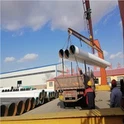
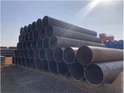
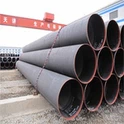
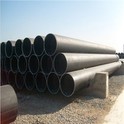
- Carbon Steel API Sour Service Line Pipe: Steel pipes are strong and durable, making them suitable for both above-ground and underground applications. They are resistant to high pressures and can handle a wide range of temperatures. However, steel pipes are prone to corrosion, especially in moist environments.
- Copper Pipes: Copper pipes are known for their excellent corrosion resistance and flexibility. They are commonly used in residential and commercial applications. Copper pipes are relatively easy to install and have a long lifespan.
- Plastic Pipes: Plastic pipes, such as polyethylene (PE) and polyvinyl chloride (PVC), are lightweight, flexible, and resistant to corrosion. They are often used for underground gas distribution systems. Plastic pipes are easy to install and have a lower cost compared to steel and copper pipes.
Planning the Upgrade Process
Once you have chosen the pipe material, it is time to plan the upgrade process. This involves several steps:
- Obtain Permits: Before starting any work on your gas system, you will need to obtain the necessary permits from your local building department.
- Shut Off the Gas Supply: Before beginning the installation, make sure to shut off the gas supply at the main valve. This will prevent any gas leaks during the installation process.
- Remove the Old Pipes: Carefully remove the old pipes, taking care not to damage any surrounding structures or utilities.
- Install the New Pipes: Follow the manufacturer's instructions and local building codes when installing the new pipes. Make sure to use the appropriate fittings and connectors.
- Test the New System: Once the new pipes are installed, conduct a pressure test to ensure that there are no leaks. Check the operation of your gas appliances to make sure they are working properly.
Installation Considerations
Proper installation is crucial to the success of your gas pipe upgrade. Here are some important considerations:
- Professional Installation: Gas pipe installation is a complex and potentially dangerous task. It is recommended to hire a licensed and experienced plumber or gas fitter to perform the work.
- Proper Support and Bracing: Pipes should be properly supported and braced to prevent sagging or movement. This is especially important for long runs of pipe or pipes installed in areas with high traffic or vibration.
- Avoiding Cross-Contamination: When installing new pipes, make sure to avoid cross-contamination with other plumbing systems. This can be done by using separate tools and equipment for gas pipe installation.
- Ventilation: Gas appliances produce combustion by-products, such as carbon monoxide. It is essential to ensure proper ventilation to prevent the buildup of these gases in your home.
Maintenance and Monitoring
After upgrading your gas pipes, it is important to maintain and monitor the system regularly. This will help ensure its continued safety and efficiency.
- Regular Inspections: Schedule regular inspections by a licensed plumber or gas fitter to check for any signs of wear, damage, or leaks.
- Maintenance of Gas Appliances: Follow the manufacturer's instructions for the maintenance of your gas appliances. This may include cleaning, servicing, and replacing parts as needed.
- Monitoring Gas Usage: Keep an eye on your gas usage to detect any sudden changes or abnormalities. This could indicate a problem with the gas system.
Conclusion
Upgrading old gas pipes is a significant investment that can provide numerous benefits in terms of safety, efficiency, and compliance. By following the steps outlined in this blog and working with a professional Gas Pipe Plumbing supplier, you can ensure a successful and hassle-free upgrade.
If you are considering upgrading your gas pipes or have any questions about our products and services, please do not hesitate to contact us. We are here to help you make the right decisions and ensure the safety and efficiency of your gas system.
References
- National Fire Protection Association (NFPA) 54: National Fuel Gas Code
- American Society of Mechanical Engineers (ASME) B31.8: Gas Transmission and Distribution Piping Systems
- International Association of Plumbing and Mechanical Officials (IAPMO) Uniform Plumbing Code (UPC)