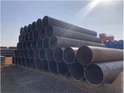
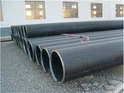
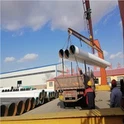
As a supplier of ASTM A252 Grade 2 steel pipes, I often encounter inquiries from clients in the chemical plant industry about the suitability of this material for their specific applications. In this blog post, I'll delve into the properties of ASTM A252 Grade 2 and analyze whether it is a good fit for use in chemical plants.
Understanding ASTM A252 Grade 2
ASTM A252 is a standard specification for welded and seamless steel pipe piles. Grade 2 of this specification has certain defined mechanical and chemical properties. It is a type of structural steel that offers a balance of strength and ductility. The minimum yield strength of ASTM A252 Grade 2 is 35,000 psi (241 MPa), and the minimum tensile strength is 60,000 psi (414 MPa). This makes it relatively strong and capable of withstanding significant loads.
Chemical Resistance
One of the primary concerns in chemical plants is the corrosion resistance of the materials used. Chemical plants handle a wide variety of corrosive substances, including acids, alkalis, and salts. ASTM A252 Grade 2 is a carbon steel, and carbon steels are generally not highly resistant to corrosion in harsh chemical environments.
However, the corrosion resistance can be improved through various means. For example, applying protective coatings such as epoxy or zinc can significantly enhance the pipe's ability to resist corrosion. These coatings act as a barrier between the steel and the corrosive chemicals, preventing direct contact and thus reducing the rate of corrosion.
In some cases where the chemical environment is relatively mild, such as in areas where the exposure to corrosive substances is limited or the concentration of corrosive agents is low, ASTM A252 Grade 2 with proper coating may be suitable. But in highly corrosive environments, more corrosion - resistant materials like stainless steel or alloy steels might be a better choice.
Pressure and Temperature Resistance
Chemical plants often operate under high - pressure and high - temperature conditions. ASTM A252 Grade 2 has a certain level of pressure - bearing capacity due to its strength properties. The yield and tensile strength values allow it to withstand moderate to high pressures.
However, the temperature resistance of ASTM A252 Grade 2 is a bit more limited. Carbon steels tend to lose their strength at elevated temperatures. As the temperature rises, the mechanical properties of the steel, such as yield strength and toughness, can degrade. In applications where the temperature is consistently high, special considerations need to be taken. For example, additional insulation or heat - resistant coatings may be required to maintain the integrity of the pipes.


Weldability
Weldability is an important factor in the construction and installation of pipes in chemical plants. ASTM A252 Grade 2 has good weldability. It can be welded using common welding processes such as shielded metal arc welding (SMAW), gas metal arc welding (GMAW), and submerged arc welding (SAW). Good weldability means that the pipes can be easily joined together during the installation process, which is crucial for building a reliable pipeline system.
Cost - effectiveness
Cost is always a significant consideration in any industrial project. ASTM A252 Grade 2 is generally more cost - effective compared to some high - performance alloy steels or stainless steels. This makes it an attractive option for chemical plants, especially when the budget is limited. However, it's important to balance the cost with the long - term performance requirements. If the chemical environment is extremely harsh and the use of ASTM A252 Grade 2 requires frequent maintenance and replacement due to corrosion, the long - term cost may actually be higher.
Comparison with Other Pipe Materials
Let's compare ASTM A252 Grade 2 with some other pipe materials commonly used in chemical plants.
- Stainless Steel: Stainless steel offers excellent corrosion resistance, especially in highly corrosive chemical environments. It can withstand a wide range of temperatures and pressures. However, stainless steel is more expensive than ASTM A252 Grade 2. So, for applications where the corrosion risk is relatively low and cost is a major concern, ASTM A252 Grade 2 may be a better option.
- API 5L LSAW Pipe: API 5L LSAW Pipe is designed for use in oil and gas pipelines, but it can also be used in some chemical plant applications. It has good mechanical properties and can be suitable for high - pressure applications. Similar to ASTM A252 Grade 2, its corrosion resistance may need to be enhanced through coatings. The choice between the two depends on the specific requirements of the project, such as the type of chemicals being transported and the operating conditions.
Applications in Chemical Plants
ASTM A252 Grade 2 can be used in several areas of chemical plants.
- Structural Support: It can be used as structural piles or columns to support the infrastructure of the chemical plant. Its strength properties make it suitable for bearing the weight of buildings, equipment, and storage tanks.
- Non - corrosive Fluid Transport: In areas where the fluid being transported is not highly corrosive, such as water or some non - reactive chemicals, ASTM A252 Grade 2 pipes can be used for fluid transport. For example, in cooling water systems or some low - concentration chemical transfer lines.
Considerations for Use
Before using ASTM A252 Grade 2 in a chemical plant, the following considerations should be taken into account:
- Chemical Analysis: Conduct a detailed chemical analysis of the substances that the pipes will come into contact with. This will help determine the level of corrosion risk and whether additional protective measures are required.
- Operating Conditions: Consider the pressure, temperature, and flow rate of the fluids in the pipes. Ensure that the mechanical properties of ASTM A252 Grade 2 can withstand these conditions.
- Maintenance Plan: Develop a comprehensive maintenance plan. This may include regular inspections, coating repairs, and replacement of corroded sections.
Conclusion
In conclusion, ASTM A252 Grade 2 can be suitable for use in chemical plants under certain conditions. Its strength, weldability, and cost - effectiveness make it an attractive option for some applications. However, its relatively limited corrosion resistance in harsh chemical environments is a significant factor that needs to be carefully considered.
If you are in the chemical plant industry and are considering using ASTM A252 Grade 2 pipes, I encourage you to contact us for more detailed information. We can provide you with samples, technical specifications, and advice on how to best use our High - toughness Structural Steel Pipe in your specific project. Our team of experts can also assist you in designing a pipeline system that meets your requirements, including considerations for corrosion protection and pressure resistance. Whether you are building a new chemical plant or upgrading an existing one, we can help you make an informed decision.
If you are interested in purchasing ASTM A252 Grade 2 pipes for your chemical plant project, please feel free to reach out to us for a detailed discussion. We are committed to providing high - quality products and excellent customer service.
References
- ASTM International. ASTM A252/A252M - 19 Standard Specification for Welded and Seamless Steel Pipe Piles.
- ASME Boiler and Pressure Vessel Code.
- Various industry reports on the use of steel pipes in chemical plants.