


Is PE Coating Scratch - Resistant?
As a PE coating supplier, I often encounter inquiries from clients regarding the scratch - resistance of PE coatings. This is a crucial aspect, especially in industries where the coated products are subject to handling, transportation, and various environmental factors. In this blog, we will delve deep into the scratch - resistant properties of PE coatings, exploring the factors that influence them and their performance in different scenarios.
Understanding PE Coating
PE, or polyethylene, is a widely used polymer in the coating industry. It is known for its excellent chemical resistance, low moisture absorption, and good electrical insulation properties. There are different types of PE coatings available in the market, such as Hot Dip Spun Galvanized, 3 Layer Polyethylene, and 3LPE Coating. Each type has its unique characteristics and applications, but they all share the fundamental properties of polyethylene.
Factors Affecting Scratch Resistance
- Polymer Structure and Molecular Weight
The molecular structure and weight of polyethylene play a significant role in determining its scratch resistance. High - density polyethylene (HDPE) generally has better scratch resistance compared to low - density polyethylene (LDPE). This is because HDPE has a more crystalline structure, which provides a stronger and more rigid surface. The long - chain molecules in HDPE are tightly packed, making it more difficult for scratches to occur. In contrast, LDPE has a more amorphous structure, with shorter and more branched chains, which are more susceptible to scratches. - Additives and Fillers
Additives and fillers can be incorporated into PE coatings to enhance their scratch resistance. For example, adding silica or alumina particles can increase the hardness of the coating surface, making it more resistant to scratching. Lubricants can also be added to reduce the friction between the coating and external objects, thereby minimizing the likelihood of scratches. Anti - scratch agents, such as waxes or silicone - based compounds, can form a protective layer on the surface of the coating, improving its scratch - resistant properties. - Coating Thickness
The thickness of the PE coating is another important factor. A thicker coating generally provides better scratch resistance. This is because a thicker layer can absorb more energy from the scratching force without being penetrated. However, there is a limit to the thickness, as overly thick coatings may lead to other issues, such as poor adhesion or increased cost.
Testing Scratch Resistance
There are several methods to test the scratch resistance of PE coatings. One common method is the pencil hardness test. In this test, pencils of different hardness levels are used to scratch the coating surface. The hardness of the pencil that first causes visible scratching on the coating is recorded as the pencil hardness of the coating. A higher pencil hardness indicates better scratch resistance.

Another method is the Taber abrasion test. In this test, a rotating abrasive wheel is applied to the coating surface under a specific load. The amount of material removed from the coating after a certain number of rotations is measured. A lower amount of material removal indicates better scratch and abrasion resistance.
Performance in Different Applications
- Pipe Coatings
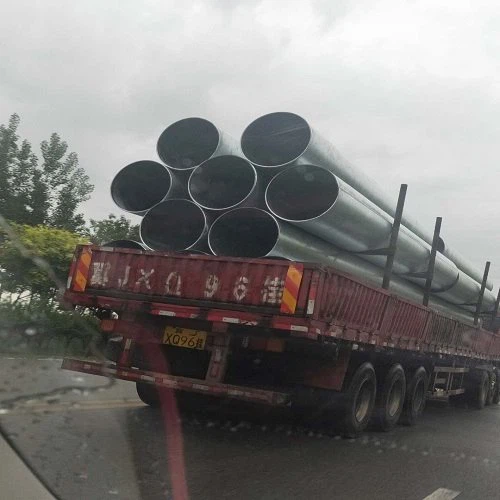
In the pipeline industry, PE coatings are widely used for anti - corrosion purposes. The scratch resistance of these coatings is crucial, as pipes are often subject to rough handling during transportation and installation. A scratch on the coating can expose the underlying metal to the environment, leading to corrosion. 3LPE coatings, in particular, are known for their excellent scratch resistance, which helps to ensure the long - term integrity of the pipes. - Automotive Applications
PE coatings are also used in automotive components, such as bumpers and interior trim. In these applications, scratch resistance is important for maintaining the aesthetic appearance of the vehicle. Coatings with good scratch resistance can withstand minor impacts and scratches during daily use, keeping the components looking new for longer. - Packaging
In the packaging industry, PE coatings are used to protect products from damage. Scratch - resistant PE coatings can prevent the packaging from being scratched during handling and storage, which is important for maintaining the brand image and product integrity.
Improving Scratch Resistance
If you are looking to improve the scratch resistance of PE coatings, there are several strategies you can consider. First, choose the right type of polyethylene based on your specific requirements. HDPE is a good choice for applications where high scratch resistance is needed. Second, consider adding appropriate additives and fillers to the coating formulation. Consult with a coating expert to determine the most suitable additives for your application. Third, ensure that the coating is applied at the correct thickness. A professional coating application process can help to achieve the optimal thickness and adhesion.
Conclusion
In conclusion, PE coatings can have good scratch - resistant properties, but this depends on various factors, such as the polymer structure, additives, and coating thickness. By understanding these factors and choosing the right type of coating, you can ensure that your products have the desired level of scratch resistance. Whether you are in the pipeline, automotive, or packaging industry, scratch - resistant PE coatings can provide long - term protection and enhance the performance of your products.
If you are interested in purchasing high - quality PE coatings with excellent scratch - resistant properties, we are here to help. Our team of experts can provide you with detailed information about our products and assist you in selecting the most suitable coating for your application. Contact us today to start a discussion about your coating needs and explore the possibilities of working together.
References
- ASTM D3363 - Standard Test Method for Film Hardness by Pencil Test
- ASTM D4060 - Standard Test Method for Abrasion Resistance of Organic Coatings by the Taber Abraser


