


Hey there! I'm working for a 3 Layer Polyethylene supplier, and today I wanna chat about the installation techniques for 3 Layer Polyethylene liners in tanks. These liners are super important as they offer excellent protection against corrosion and other environmental factors, which can extend the lifespan of tanks significantly.
Preparation Before Installation
First things first, we need to get the tank ready for the liner installation. The surface of the tank has to be thoroughly cleaned. Any dirt, rust, or debris can prevent the liner from adhering properly. We usually use abrasive blasting to clean the surface. This method can effectively remove contaminants and create a rough surface, which helps with the adhesion of the 3 Layer Polyethylene liner.
After the surface is clean, we need to inspect the tank for any defects like cracks or dents. If there are any, they should be repaired before the liner installation. A damaged tank can cause problems for the liner, such as leaks or premature failure. We also need to measure the tank accurately to ensure that the liner we use is the right size. Custom - made liners are often required to fit the specific dimensions of the tank.
Liner Handling
When it comes to handling the 3 Layer Polyethylene liner, we gotta be extra careful. These liners are quite large and heavy, so we use proper lifting equipment like cranes or forklifts. During transportation and storage, the liner should be protected from sharp objects and direct sunlight. Exposure to sunlight for a long time can cause the liner to degrade, reducing its performance.
Before installation, the liner should be laid out flat and allowed to acclimate to the ambient temperature. This helps to prevent any shrinkage or expansion during the installation process. If the liner is too cold, it can become brittle and more likely to crack, while if it's too hot, it may stretch unevenly.
Installation Process
The installation of the 3 Layer Polyethylene liner usually starts from the bottom of the tank. We use a suitable adhesive to bond the liner to the tank surface. The adhesive should be applied evenly and in the right amount. Too little adhesive may result in poor adhesion, while too much can cause mess and waste.
As we install the liner, we need to smooth out any wrinkles or air bubbles. We can use rollers or squeegees to do this. Making sure there are no air pockets between the liner and the tank surface is crucial, as air pockets can lead to corrosion under the liner.
When installing the sidewalls of the tank, we need to ensure that the liner is properly aligned and secured. We often use mechanical fasteners in addition to the adhesive for better stability. These fasteners can be screws or clips, but they should be made of materials that are compatible with the 3 Layer Polyethylene liner to avoid any chemical reactions.
Joint Sealing
One of the most critical parts of the installation is the joint sealing. The joints between different sections of the liner need to be sealed properly to prevent leaks. There are several methods for joint sealing, such as heat welding and adhesive sealing.
Heat welding is a popular method as it creates a strong, seamless bond between the liner sections. In this process, we use a heat welding machine to melt the edges of the liner and then press them together. This forms a continuous and watertight seal. However, heat welding requires skilled operators to ensure that the welding is done correctly.
Adhesive sealing is another option. We use a special adhesive designed for 3 Layer Polyethylene liners to bond the joints. This method is relatively easier to perform but may not be as strong as heat welding. The adhesive should be applied carefully to cover the entire joint area.
Quality Control
After the installation is complete, we need to conduct a thorough quality control check. We visually inspect the liner for any visible defects, such as cracks, holes, or improper seals. We also use non - destructive testing methods like ultrasonic testing to detect any hidden flaws.
Pressure testing is also an important part of the quality control process. We fill the tank with water or another suitable fluid and apply a certain pressure to check for leaks. If there are any leaks, we need to identify the source and repair it immediately.
Comparison with Other Coating Systems
When considering anti - corrosion solutions for tanks, 3 Layer Polyethylene liners have some advantages over other coating systems. For example, compared to Hot Dip Spun Galvanized, 3 Layer Polyethylene liners offer better chemical resistance. Galvanized coatings may be damaged by certain chemicals, while 3 Layer Polyethylene liners can withstand a wider range of corrosive substances.

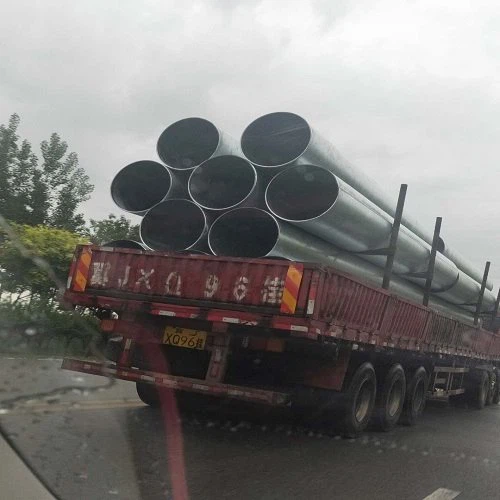
In comparison with 2LPP Coating, 3 Layer Polyethylene liners provide enhanced mechanical protection. The additional layer in 3 Layer Polyethylene liners gives it better resistance to abrasion and impact, which is especially important in tanks that are subject to physical stress.
Maintenance
Once the 3 Layer Polyethylene liner is installed, proper maintenance is necessary to ensure its long - term performance. Regular inspections should be carried out to check for any signs of wear, damage, or leaks. If any issues are found, they should be repaired promptly.
The tank environment also needs to be monitored. For example, if the tank contains chemicals, the pH level and temperature should be within the recommended range for the liner. Extreme conditions can accelerate the degradation of the liner.
Conclusion
In conclusion, the installation of 3 Layer Polyethylene liners in tanks is a complex but rewarding process. By following the right installation techniques, we can ensure that the liner provides effective protection for the tank and extends its service life. If you're interested in 3 Layer Polyethylene liners for your tanks, feel free to contact us for more information and to start a procurement discussion. We're here to help you find the best solution for your specific needs.
References
- "Corrosion Protection in the Oil and Gas Industry" by some experts in the field.
- Technical manuals from 3 Layer Polyethylene liner manufacturers.


