Hey there! I'm a supplier of Oil And Gas Pipes, and today I wanna chat about the different transportation methods for these pipes. It's super important to know this stuff if you're in the oil and gas game, whether you're a buyer, a project manager, or just someone curious about how these essential resources get from point A to point B.
1. Pipeline Transportation
Let's start with the most common and efficient way - pipeline transportation. Pipelines are like the arteries of the oil and gas industry. They're used to move large quantities of crude oil, natural gas, and refined products over long distances.
Why are pipelines so great? Well, for starters, they're pretty much a continuous flow system. Once the oil or gas is in the pipeline, it can keep moving without any major interruptions. This means a steady supply to refineries, storage facilities, and end - users.
Another big plus is safety. Pipelines are buried underground in many cases, which protects them from the elements and reduces the risk of accidents. They're also equipped with advanced monitoring systems that can detect leaks or other issues in real - time.


But building and maintaining pipelines isn't a walk in the park. It requires a huge investment in infrastructure, including the pipes themselves, pumps, valves, and monitoring equipment. And there are also environmental and regulatory challenges to deal with.
If you're looking for high - quality pipes for pipeline projects, we offer Carbon Steel API Sour Service Line Pipe. These pipes are designed to handle sour gas and oil, which contain high levels of hydrogen sulfide. They're made from top - notch carbon steel and meet strict API standards.
2. Tanker Ships
When it comes to transporting oil and gas across oceans, tanker ships are the go - to option. There are two main types: crude oil tankers and product tankers.
Crude oil tankers are massive vessels that can carry hundreds of thousands of barrels of unrefined oil. They're built to withstand the harsh conditions of the open sea and are equipped with sophisticated navigation and safety systems.
Product tankers, on the other hand, are used to transport refined products like gasoline, diesel, and jet fuel. They're usually smaller than crude oil tankers but are still an important part of the supply chain.
One of the advantages of tanker ships is their flexibility. They can travel to different ports around the world, which makes it easier to access global markets. However, they also come with some risks. Oil spills are a major concern, and there are strict regulations in place to prevent and respond to such incidents.
3. Rail Transportation
Rail is another option for moving oil and gas, especially in regions where pipelines aren't available or where there's a need for more flexibility. Railcars can transport both crude oil and refined products.
The benefit of rail transportation is its ability to reach remote areas. It can also be a quicker option for short - to medium - distance hauls. Railroads have an extensive network, which allows for easy access to different parts of the country.
But there are also some drawbacks. Rail transportation can be more expensive than pipelines, especially for large - volume shipments. And there have been some high - profile accidents involving oil - carrying railcars in the past, which has raised concerns about safety.
4. Trucks
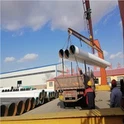
Trucks are often used for short - distance transportation of oil and gas products. They're great for delivering fuel to local gas stations, small - scale industrial users, and remote locations.
The advantage of trucks is their flexibility. They can access places that are difficult for other modes of transportation to reach. They can also make multiple stops along the way, which is useful for distributing products to different customers.
However, trucks have a limited capacity compared to other methods. They're also more affected by traffic and weather conditions, which can cause delays.
5. Gas Pipe Plumbing
For natural gas distribution at the local level, Gas Pipe Plumbing is crucial. These pipes are used to connect gas wells, storage facilities, and end - users like homes and businesses.
Gas pipe plumbing systems are designed to ensure a safe and efficient supply of natural gas. They're made from materials that can withstand the pressure and chemical properties of natural gas. And they're installed and maintained by trained professionals to meet safety standards.
6. Specialized Pipes for Different Needs
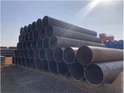
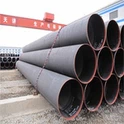
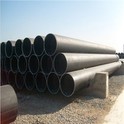
Depending on the specific requirements of the transportation project, different types of pipes are needed. For example, X80 LSAW Steel Pipe is a high - strength pipe that's often used in high - pressure pipeline projects. It has excellent mechanical properties and can handle large - volume flows of oil and gas.
Conclusion
As you can see, there are several transportation methods for oil and gas pipes, each with its own advantages and disadvantages. Choosing the right method depends on factors like distance, volume, cost, and safety.
If you're in the market for high - quality oil and gas pipes, we're here to help. We have a wide range of products to meet your specific needs, whether it's for pipeline projects, tanker ships, railcars, or trucks. Don't hesitate to reach out to us for more information and to start a procurement discussion. We're always happy to work with you to find the best solutions for your oil and gas transportation needs.
References
- American Petroleum Institute (API) standards on oil and gas pipes
- International Maritime Organization (IMO) regulations on tanker ships
- Federal Railroad Administration (FRA) guidelines on rail transportation of oil and gas
- Occupational Safety and Health Administration (OSHA) standards for gas pipe plumbing