Hey there! As an EFW Steel Pipe supplier, I often get asked about the fire - resistance of EFW steel pipes. So, let's dive right into it and figure out what makes these pipes stand up to fire.
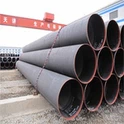
First off, let's understand what EFW steel pipes are. Electric Fusion Welded (EFW) steel pipes are made by rolling steel plates and then welding the edges together using an electric current. They're widely used in various industries like oil and gas, construction, and water supply.
When it comes to fire - resistance, it's all about how well the pipe can maintain its structural integrity when exposed to high temperatures. A lot of factors come into play here.
Material Composition
The material of the EFW steel pipe is a huge factor. Most EFW pipes are made from carbon steel, alloy steel, or stainless steel. Each of these has different fire - resistant properties.
Carbon steel is the most common type. It's strong and relatively inexpensive. But carbon steel starts to lose its strength at around 400 - 500 degrees Celsius. As the temperature rises, the steel begins to deform, and its load - bearing capacity drops significantly. For applications where there's a risk of fire, carbon steel pipes may need additional fire - protection measures.
Alloy steel, on the other hand, contains other elements like chromium, nickel, and molybdenum. These alloys can improve the fire - resistance of the steel. They form a protective oxide layer on the surface of the pipe when exposed to high temperatures. This layer acts as a barrier, slowing down the oxidation process and helping the pipe maintain its strength for longer. For example, some high - alloy steels can withstand temperatures up to 800 - 900 degrees Celsius without significant loss of strength.
Stainless steel is known for its excellent corrosion resistance, but it also has good fire - resistant properties. Stainless steel contains chromium, which forms a stable oxide layer on the surface. This layer protects the steel from further oxidation and helps it retain its strength at high temperatures. Some stainless steel EFW pipes can resist temperatures up to 1000 degrees Celsius.
Coating and Insulation
Another way to improve the fire - resistance of EFW steel pipes is through coating and insulation. Fire - resistant coatings can be applied to the surface of the pipe. These coatings are usually made of materials like intumescent paint. When exposed to fire, intumescent paint expands and forms a thick, insulating char layer. This char layer acts as a barrier, reducing the heat transfer to the steel pipe and slowing down the rate at which the pipe loses its strength.


Insulation materials can also be used around the pipes. Materials like mineral wool, ceramic fiber, or calcium silicate can be wrapped around the pipes. These insulation materials have low thermal conductivity, which means they can slow down the heat transfer from the fire to the pipe. This gives the pipe more time to maintain its structural integrity during a fire.
Standards and Certifications
There are several industry standards and certifications related to the fire - resistance of steel pipes. For example, the ASTM (American Society for Testing and Materials) has standards for different types of steel pipes. The ASTM A691 EFW Pipe is a standard for electric - fusion - welded steel pipe for high - temperature service. This standard specifies the chemical composition, mechanical properties, and testing requirements for the pipes. Pipes that meet this standard are designed to perform well in high - temperature environments, which includes fire - prone situations.
The ASTM A671 Steel Pipe is another important standard. It covers electric - fusion - welded steel pipe for atmospheric and low - temperature service. This standard also has requirements related to the quality and performance of the pipes, which can indirectly affect their fire - resistance.
The LTCS Pipe (Low - Temperature Carbon Steel Pipe) is designed for low - temperature applications. But the manufacturing processes and quality control associated with these pipes also contribute to their overall performance, including their ability to withstand high - temperature events to some extent.
Real - World Applications
In real - world applications, the fire - resistance of EFW steel pipes is crucial. In the oil and gas industry, pipes are often used in refineries, where there's a high risk of fire due to the presence of flammable substances. Pipes need to be able to withstand the heat of a fire for a certain period of time to prevent the spread of the fire and minimize damage.
In the construction industry, EFW steel pipes are used in building structures for plumbing, heating, and ventilation systems. In case of a fire, these pipes need to maintain their integrity to ensure the safety of the building and its occupants. For example, in high - rise buildings, fire - resistant pipes can prevent the spread of fire through the plumbing and ventilation systems.
Testing and Evaluation
To ensure the fire - resistance of EFW steel pipes, manufacturers conduct various tests. One common test is the fire - resistance test. In this test, a sample of the pipe is exposed to a controlled fire environment in a furnace. The temperature, time, and other parameters are carefully monitored. The pipe's performance is evaluated based on factors like its ability to maintain its shape, strength, and integrity during the test.
Non - destructive testing methods like ultrasonic testing, magnetic particle testing, and radiographic testing are also used to detect any internal defects in the pipes. Defects in the pipe can weaken its structure and reduce its fire - resistance. By detecting and fixing these defects, manufacturers can ensure that the pipes meet the required fire - resistance standards.
Conclusion
So, to sum it up, the fire - resistance of EFW steel pipes depends on several factors, including the material composition, coating and insulation, and compliance with industry standards. Different types of steel, like carbon steel, alloy steel, and stainless steel, have different fire - resistant properties. Coating and insulation can further improve the fire - resistance of the pipes.
If you're in the market for EFW steel pipes and need pipes with good fire - resistance, don't hesitate to reach out. We can provide you with high - quality EFW steel pipes that meet your specific requirements. Whether you're in the oil and gas industry, construction, or any other field, we've got the right pipes for you. Contact us to start a purchase negotiation and find the perfect EFW steel pipes for your project.
References
- ASTM International standards for steel pipes
- Industry research papers on the fire - resistance of steel materials
- Manufacturer's technical data sheets for EFW steel pipes