


Pre-cast underground piles are a crucial component in modern construction, offering numerous advantages such as high load-bearing capacity, durability, and cost - effectiveness. As a supplier of underground piles, I am well - versed in the installation process of these essential construction elements. In this blog, I will walk you through the step - by - step installation process of pre - cast underground piles.
1. Site Preparation
The first and most fundamental step in the installation of pre - cast underground piles is site preparation. This involves a series of activities to ensure that the construction site is ready for pile installation.
1.1 Site Survey
A comprehensive site survey is conducted to gather detailed information about the site's topography, soil conditions, and existing underground utilities. This survey helps in determining the appropriate pile type, length, and spacing. Geotechnical investigations, including soil sampling and testing, are carried out to assess the soil's bearing capacity, shear strength, and other relevant properties. The data collected from these surveys are used to design the pile foundation system accurately.

1.2 Clearing and Grading
The site must be cleared of any vegetation, debris, or obstacles that may interfere with the pile installation process. Once the site is cleared, grading is performed to level the ground surface. This ensures that the piles are installed vertically and that the construction equipment can operate safely and efficiently on the site.
1.3 Marking the Pile Positions
Based on the pile layout plan, the positions of the piles are marked on the ground surface using stakes, strings, or other suitable marking methods. Accurate marking is essential to ensure that the piles are installed in the correct locations and at the proper spacing.
2. Pile Delivery and Storage
After the site is prepared, the pre - cast underground piles are delivered to the construction site. As a supplier, we ensure that the piles are transported safely and securely to prevent any damage during transit.
2.1 Quality Inspection
Upon arrival at the site, each pile is inspected for any signs of damage, such as cracks, chips, or deformities. Only piles that meet the specified quality standards are accepted for installation.
2.2 Proper Storage
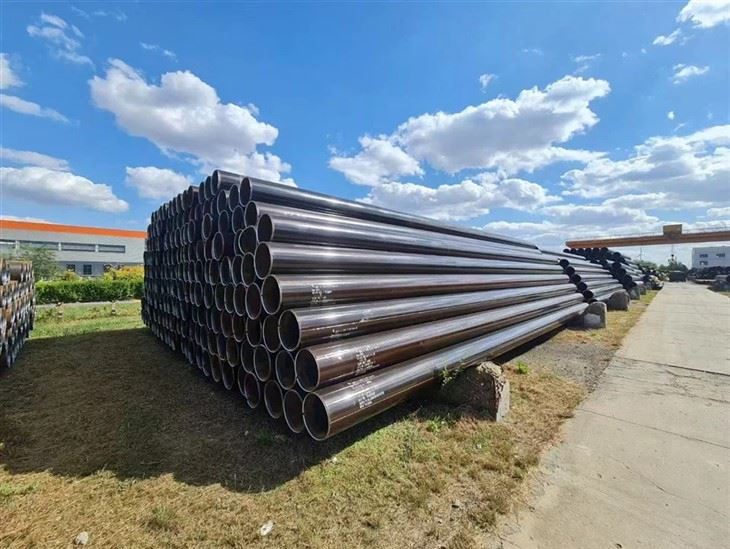
The piles are stored in a safe and organized manner on the site. They are typically stacked horizontally on a flat and stable surface, with suitable supports to prevent bending or cracking. The storage area should be well - drained to avoid water accumulation, which could cause corrosion or other damage to the piles.
3. Pile Installation Equipment Setup
Before the actual pile installation begins, the necessary equipment is set up on the site. The type of equipment used depends on the type of pile and the soil conditions. Common pile installation equipment includes pile drivers, drilling rigs, and vibratory hammers.
3.1 Pile Driver Setup
If a pile driver is used, it is positioned over the marked pile location. The pile driver is a heavy - duty machine that uses a large hammer to drive the pile into the ground. The driver is carefully aligned with the pile to ensure that the pile is driven vertically.
3.2 Drilling Rig Setup
In some cases, especially in hard or rocky soils, a drilling rig may be used to create a pilot hole for the pile. The drilling rig is set up over the pile location, and the drill bit is lowered into the ground to create a hole of the appropriate diameter and depth.
3.3 Vibratory Hammer Setup
A vibratory hammer can also be used to install pre - cast piles. This equipment uses high - frequency vibrations to reduce the friction between the pile and the soil, allowing the pile to be driven more easily into the ground. The vibratory hammer is attached to the top of the pile, and the vibrations are transmitted through the pile to facilitate its installation.
4. Pile Installation
Once the equipment is set up, the pile installation process begins.
4.1 Driving the Pile
If a pile driver or vibratory hammer is used, the pile is lifted into position and aligned with the marked location. The pile is then driven into the ground in a series of blows or vibrations. The driving process continues until the pile reaches the desired depth or until the specified resistance is achieved. During the driving process, the pile's verticality is continuously monitored using a plumb bob or other alignment devices to ensure that the pile remains straight.
4.2 Drilling and Placing the Pile
When a drilling rig is used, the pilot hole is first drilled to the required depth. The pile is then lowered into the hole and centered. Grout or concrete may be poured into the hole around the pile to provide additional support and to fill any voids between the pile and the soil.
5. Pile Connection and Cutting
In some cases, multiple piles may need to be connected together to achieve the desired length or load - bearing capacity.
5.1 Pile Connection
There are several methods for connecting pre - cast piles, including welding, mechanical connections, and grouted connections. Welding is a common method for connecting steel piles, where the ends of the piles are welded together to form a continuous structure. Mechanical connections use bolts, nuts, or other mechanical fasteners to join the piles. Grouted connections involve filling the joint between the piles with grout to provide a strong and durable connection.
5.2 Pile Cutting
Once the pile is installed to the desired depth, any excess length of the pile may need to be cut off. This is typically done using a saw or other cutting equipment. The cut end of the pile is then smoothed and prepared for further construction activities.
6. Quality Control and Testing
Throughout the pile installation process, strict quality control measures are implemented to ensure that the piles meet the required standards.
6.1 Visual Inspection
Regular visual inspections are carried out to check for any signs of damage, misalignment, or other defects in the piles. Any issues identified during the inspection are immediately addressed to ensure the integrity of the pile foundation.
6.2 Pile Testing
After the piles are installed, various tests may be conducted to verify their load - bearing capacity and integrity. Common pile tests include static load tests, dynamic load tests, and integrity tests. Static load tests involve applying a known load to the pile and measuring its settlement to determine its load - bearing capacity. Dynamic load tests use a hammer or other impact device to generate a dynamic load on the pile and analyze the response to assess its integrity. Integrity tests, such as sonic logging or cross - hole sonic logging, are used to detect any internal defects or discontinuities in the pile.
7. Post - Installation Activities
Once the pile installation is completed and the quality control tests are passed, several post - installation activities are carried out.
7.1 Backfilling
The area around the piles is backfilled with suitable soil or other backfill material. The backfill is compacted in layers to provide additional support to the piles and to prevent soil erosion.
7.2 Construction of the Superstructure
After the backfilling is completed, the construction of the superstructure can begin. The piles provide a stable foundation for the building or other structure, transferring the loads from the superstructure to the underlying soil.
As a supplier of underground piles, we offer a wide range of high - quality pre - cast piles, including LSAW Welded Pipe, Oil And Gas Transmission LSAW Pipe, and Euro Underground Pile. Our piles are designed and manufactured to meet the highest industry standards, ensuring reliable performance and long - term durability.
If you are in need of pre - cast underground piles for your construction project, we invite you to contact us for more information and to discuss your specific requirements. Our team of experts is ready to assist you in selecting the right piles and providing you with professional advice on the installation process.
References
- Bowles, J. E. (1996). Foundation analysis and design. McGraw - Hill.
- Tomlinson, M. J., & Woodward, J. (2008). Pile design and construction practice. Spon Press.
- Coduto, D. P., Kitch, J. R., & Stuedlein, A. M. (2011). Foundation design: principles and practices. Pearson.


