Wear resistance is a crucial property when it comes to protective coatings, especially in industries where materials are exposed to harsh environments and mechanical stresses. As a leading supplier of PE (Polyethylene) coating, I've witnessed firsthand the importance of understanding what wear resistance means for PE coatings and how it impacts various applications.


Understanding Wear Resistance
Wear resistance refers to a material's ability to withstand the effects of friction, abrasion, and erosion. In the context of PE coatings, it means the coating's capacity to resist damage when in contact with other surfaces, whether through rubbing, scraping, or the impact of particles. This property is essential for ensuring the longevity and performance of the coated material.
PE coatings are known for their excellent wear resistance due to several factors. First, polyethylene is a tough and durable polymer. Its molecular structure provides a high degree of flexibility and toughness, allowing it to absorb and distribute the energy generated during wear processes. This means that even under significant mechanical stress, the coating is less likely to crack or peel off.
Second, the smooth surface of PE coatings reduces friction. When a coated object comes into contact with another surface, the low - friction nature of the PE coating minimizes the amount of wear and tear. This is particularly beneficial in applications where the coated material is subject to sliding or moving against other components.
Factors Affecting the Wear Resistance of PE Coating
Coating Thickness
The thickness of the PE coating plays a significant role in its wear resistance. A thicker coating generally provides better protection as it has more material to withstand the abrasive forces. However, there is a balance to be struck. If the coating is too thick, it may become brittle and more prone to cracking, which can actually reduce its overall performance. As a supplier, we work closely with our customers to determine the optimal coating thickness based on their specific application requirements.
Polymer Type
There are different types of polyethylene, such as high - density polyethylene (HDPE) and low - density polyethylene (LDPE). HDPE has a higher density and a more crystalline structure, which gives it better wear resistance compared to LDPE. In applications where high wear resistance is required, we often recommend HDPE - based coatings.
Surface Preparation
Proper surface preparation is essential for achieving good wear resistance. Before applying the PE coating, the substrate surface must be cleaned, degreased, and roughened to ensure good adhesion. If the surface is not properly prepared, the coating may not bond well to the substrate, leading to premature delamination and reduced wear resistance.
Applications of PE Coating with High Wear Resistance
Pipeline Protection
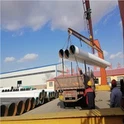
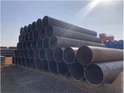
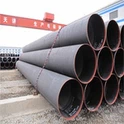
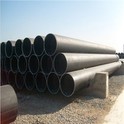
One of the most common applications of PE coatings is in pipeline protection. Pipelines are often buried underground or exposed to harsh environmental conditions, where they are subject to abrasion from soil particles, rocks, and other debris. A wear - resistant PE coating can significantly extend the service life of the pipeline. For example, 3LPE Coating is a popular choice for pipeline protection. It consists of three layers: an epoxy primer, an adhesive layer, and a polyethylene topcoat. This combination provides excellent wear resistance as well as corrosion protection.
Machinery Components
In the manufacturing industry, many machinery components are coated with PE to improve their wear resistance. For instance, conveyor belts, rollers, and gears can benefit from a PE coating. The smooth surface of the coating reduces friction, which not only increases the wear life of the components but also improves the efficiency of the machinery.
Marine Applications
In the marine environment, ships and offshore structures are exposed to saltwater, sand, and other abrasive materials. PE coatings can be used to protect these structures from wear and corrosion. Hot Dip Spun Galvanized combined with a PE coating can provide an extra layer of protection, ensuring the long - term durability of the marine equipment.
Testing the Wear Resistance of PE Coating
To ensure the quality and performance of our PE coatings, we conduct a series of wear resistance tests. One common test is the Taber abrasion test. In this test, a coated sample is subjected to a rotating abrasive wheel under a specific load. The amount of material removed after a certain number of rotations is measured to evaluate the wear resistance of the coating.
Another test is the sandpaper abrasion test, where the coated surface is rubbed against sandpaper with a specified grit size. The visual inspection and measurement of the coating's surface after the test can provide valuable information about its wear resistance.
Comparing PE Coating with Other Coatings
When compared to other types of coatings, such as epoxy coatings or polyurethane coatings, PE coatings offer unique advantages in terms of wear resistance. Epoxy coatings are known for their excellent adhesion and chemical resistance, but they can be brittle and may not perform as well under high - impact wear conditions. Polyurethane coatings are flexible and have good abrasion resistance, but they may be more expensive than PE coatings.
3 Layer Polyethylene coatings, in particular, combine the benefits of different materials to provide a high - performance solution for wear and corrosion protection. The multiple - layer structure enhances the overall durability of the coating, making it a popular choice in many industries.
Conclusion
In conclusion, the wear resistance of PE coating is a critical property that makes it suitable for a wide range of applications. As a PE coating supplier, we are committed to providing high - quality coatings with excellent wear resistance. By understanding the factors that affect wear resistance, such as coating thickness, polymer type, and surface preparation, we can offer customized solutions to meet our customers' specific needs.
If you are in need of a reliable and wear - resistant PE coating for your project, we invite you to contact us for a detailed discussion. Our team of experts is ready to assist you in selecting the right coating and ensuring its proper application.
References
- ASTM International. Standard Test Methods for Abrasion Resistance of Organic Coatings by the Taber Abraser. ASTM D4060 - 19.
- ISO 12944 - 1:2017, Paints and varnishes — Corrosion protection of steel structures by protective paint systems — Part 1: General introduction.
- Technical literature on polyethylene coatings from major polymer manufacturers.