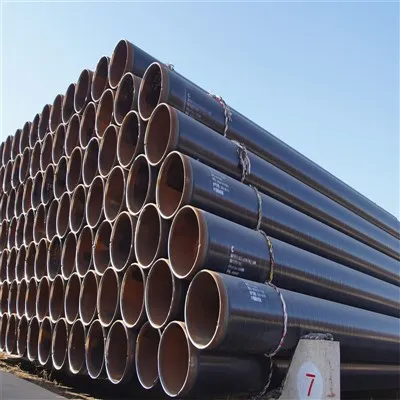
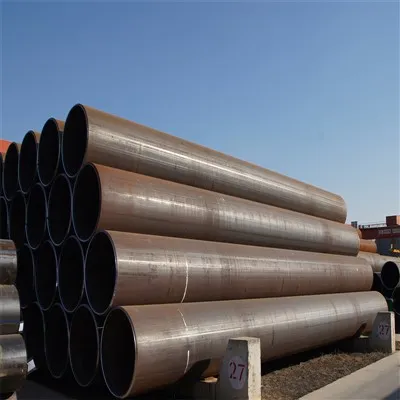
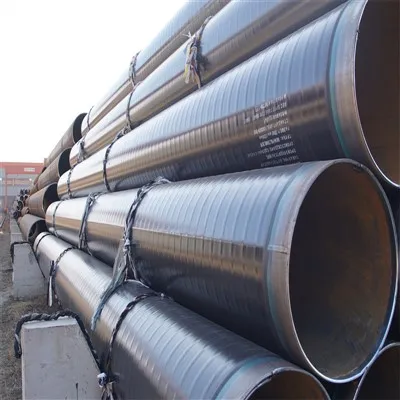
The transportation of oil and natural gas often requires high-pressure environments, making high strength a crucial characteristic of oil and natural gas transport pipes. Maintaining structural stability under high pressure is also essential to ensure safe energy delivery. In addition, high toughness is indispensable for oil and natural gas transport pipes. During transportation, various complex geological conditions and environmental factors are frequently encountered, such as foundation settlement and soil movement. Under these circumstances, the steel pipe needs good toughness to absorb and disperse energy, preventing fracture. Good fatigue resistance is also crucial. During long-term use, oil and natural gas steel pipes are subjected to various alternating stresses, which can cause fatigue cracks within the pipe. Over time, these cracks may propagate, eventually leading to fatigue fracture of the pipeline. To improve the fatigue resistance of the steel pipes, internal defects are strictly controlled during production. Furthermore, during the design phase, the operating conditions of the pipeline are fully considered, and the materials and structure of the steel pipe are rationally selected to reduce the impact of alternating stresses and extend the fatigue life of the pipe.
Corrosion resistance is also critical for oil and natural gas transport pipes. From the perspective of ensuring transportation safety, if the steel pipe has poor corrosion resistance, the pipe wall thickness will gradually decrease and its strength will decline as corrosion progresses, eventually leading to pipe rupture and leakage. Once a leak occurs, oil and natural gas will not only waste energy but may also trigger serious safety accidents such as fires and explosions, posing a significant threat to the surrounding environment and the safety of people and property.
Oil and natural gas transportation pipelines also require good sealing performance, which directly affects the safety and efficiency of transportation. To achieve good sealing, various technologies and processes are employed in the design and manufacturing of steel pipes. Most methods include welding, threaded connections, and flange connections, but each connection method has unique sealing measures.
During oil and natural gas transportation, steel pipes face complex and variable temperature environments, making temperature resistance an indispensable and crucial performance characteristic. Temperature conditions vary greatly in different transportation stages and geographical regions, from frigid polar regions to hot deserts, from the low-temperature environments of deep underground burial to the temperature changes caused by the flow of the medium inside the pipeline. All of these factors place stringent requirements on the temperature resistance performance of the steel pipes.