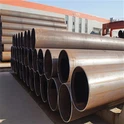
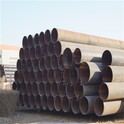
As a vital national energy source, the long-distance, high-pressure transportation of oil and natural gas places stringent requirements on pipeline materials. Steel pipes, as the core carrier of oil and gas transportation, directly determine the safety, durability, and economy of the pipeline network. Under complex conditions such as high temperature, high pressure, corrosion, and geological deformation, only suitable pipeline steel materials can ensure the long-term stable operation of this energy artery.
The material system for oil and gas transmission pipelines is based on specialized pipeline steel, adhering to both the international API 5L standard and the domestic GB/T 9711 standard. It is divided into two quality grades: PSL1 and PSL2. PSL2 has stricter requirements in terms of composition, toughness, flaw detection, and weldability, and is suitable for high-pressure, high-risk trunk pipelines. Pipeline steel is graded by yield strength; the API standard uses the X series, and the national standard uses the L series. The number corresponds to the minimum yield strength (MPa), which is the core basis for material selection.
For low-pressure gathering and transportation, and short-distance pipelines within stations, L245 (Grade B) and L290 (X42) are preferred. These low-carbon microalloy pipeline steels have low carbon content, good toughness, and are easy to weld. They are suitable for conventional oil and gas gathering and transportation, internal oilfield pipeline networks, and auxiliary transportation lines with pressures below 4MPa. They possess good plasticity and impact resistance, can adapt to general soil environments, and offer excellent cost-effectiveness in non-corrosive, low-pressure scenarios, making them a fundamental material for oil and gas field surface engineering.
For medium- and high-pressure long-distance transmission lines, the mainstream materials chosen are L360 (X52), L415 (X60), and L450 (X65). These three types are the main materials used in China's oil and gas trunk pipeline network, with a yield strength of 360–450 MPa, balancing strength, toughness, and weldability. They are suitable for transmission pressures of 6–10 MPa and cover long-distance inland crude oil, refined oil, and natural gas pipelines. In conventional geological environments such as plains and hills, they can stably withstand internal pressure and external loads, while facilitating on-site welding construction, meeting the needs of the vast majority of onshore trunk lines.
High-pressure, large-diameter pipelines in complex environments utilize L485 (X70) and L555 (X80) high-strength pipeline steel. X70 and X80, through micro-alloying and controlled rolling and cooling processes, maintain low-temperature toughness while increasing strength. This allows for thinner pipe walls, reducing steel consumption and construction costs. They are suitable for high-pressure trunk lines above 10MPa, and for crossing complex terrains such as rivers, mountains, and permafrost areas. They are also commonly used materials for cross-border pipelines and nearshore marine pipelines.
For special operating conditions involving corrosive media such as hydrogen sulfide, carbon dioxide, and high salinity, ordinary carbon steel is prone to hydrogen-induced cracking (HIC) and stress corrosion cracking (SSC). Therefore, acid-resistant pipeline steels (such as L245NS, L360NS, X52NS, and X65NS), duplex stainless steel, or composite pipes must be selected. The sulfur and phosphorus content of acid-resistant materials is strictly limited, and corrosion resistance is improved through pure steel smelting to ensure the safety of gathering and transportation in acidic oil and gas fields. In highly corrosive environments, a composite structure of carbon steel + anti-corrosion layer + inner lining is used, balancing strength and corrosion resistance.
In summary, there is no absolutely "optimal" material for steel pipes transporting oil and natural gas; only the most suitable choice: L245/L290 for low-pressure gathering and transmission, L360/L415/L450 for medium- and high-pressure trunk lines, X70/X80 for high-pressure complex environments, and acid-resistant steel or composite pipes for corrosive conditions. Scientific material selection must meet performance requirements such as strength, toughness, corrosion resistance, and weldability, while also complying with regulations and controlling costs, in order to create a safe, efficient, and long-lasting energy transmission pipeline network, providing solid support for a stable oil and gas supply.