


ASTM A252 Grade 3 pipe is a popular choice in various industries due to its excellent mechanical properties and structural integrity. As a supplier of ASTM A252 Grade 3 pipe, I often receive inquiries about its suitability for high - temperature environments. In this blog post, I will delve into the characteristics of ASTM A252 Grade 3 pipe and analyze whether it can be used in high - temperature scenarios.
Understanding ASTM A252 Grade 3 Pipe
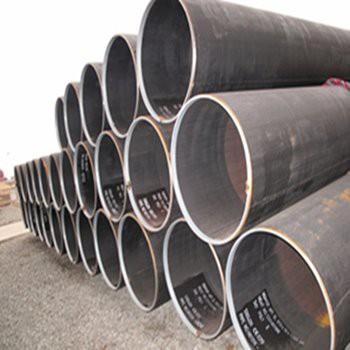
ASTM A252 is a standard specification for welded and seamless steel pipe piles. Grade 3 pipe within this standard is known for its relatively high yield and tensile strength. It is commonly used in applications such as Undergroud Pile, High Building Structure Pipe, and Wind Farm Pile System. These applications typically require pipes to withstand significant structural loads and external forces.
The chemical composition of ASTM A252 Grade 3 pipe includes elements such as carbon, manganese, phosphorus, sulfur, silicon, and copper. The combination of these elements contributes to the pipe's strength and corrosion resistance. For example, manganese helps to increase the strength and hardness of the steel, while copper can enhance its resistance to atmospheric corrosion.
High - Temperature Considerations
When it comes to high - temperature environments, several factors need to be considered. One of the primary concerns is the change in the mechanical properties of the steel at elevated temperatures. As the temperature rises, the strength and hardness of the steel generally decrease. This is due to the phenomenon of thermal expansion and the rearrangement of the crystal structure within the steel.
For ASTM A252 Grade 3 pipe, at moderate high temperatures (up to around 300 - 400°C), the reduction in strength is relatively minor. The steel retains a significant portion of its room - temperature strength, and it can still perform well in structural applications. However, as the temperature exceeds 400°C, the strength reduction becomes more pronounced.
Another factor is creep. Creep is the slow, time - dependent deformation of a material under a constant load at high temperatures. In high - temperature environments, ASTM A252 Grade 3 pipe may experience creep if it is subjected to continuous stress. This can lead to permanent deformation and potentially compromise the structural integrity of the pipe over time.

Oxidation is also a significant issue in high - temperature environments. When steel is exposed to high temperatures in the presence of oxygen, it forms an oxide layer on the surface. This oxide layer can flake off, exposing fresh metal to further oxidation. Over time, this can lead to a reduction in the wall thickness of the pipe and weaken its overall structure.
Case Studies and Research Findings
Several studies have been conducted on the behavior of steel pipes in high - temperature environments. While there is limited specific research on ASTM A252 Grade 3 pipe, general knowledge about steel behavior can be applied.
In some industrial settings where pipes are exposed to temperatures up to 300°C, ASTM A252 Grade 3 pipe has been used successfully with proper design and monitoring. For example, in certain building construction projects where the pipes are used in areas with some heat sources but not extreme temperatures, the pipe has shown satisfactory performance.
However, in applications where temperatures exceed 500°C, such as in some power generation facilities, alternative materials with better high - temperature resistance are often preferred. These materials, such as stainless steels or high - alloy steels, are specifically designed to maintain their strength and resist oxidation at high temperatures.
Mitigation Strategies
If ASTM A252 Grade 3 pipe is to be used in high - temperature environments, several mitigation strategies can be employed.
One approach is to use insulation. Insulating the pipe can reduce the heat transfer to the pipe wall, keeping the temperature of the steel within an acceptable range. This can significantly reduce the strength reduction and oxidation issues.
Another strategy is to limit the stress on the pipe. By proper design and load - distribution, the stress levels on the pipe can be kept low, reducing the risk of creep deformation.
Regular inspection and monitoring are also crucial. Non - destructive testing techniques can be used to detect any signs of oxidation, wall thickness reduction, or deformation. This allows for timely maintenance or replacement of the pipe if necessary.
Conclusion
In conclusion, ASTM A252 Grade 3 pipe can be used in some high - temperature environments, particularly those with temperatures up to around 300 - 400°C. However, its use in higher - temperature environments is limited due to the significant reduction in strength, the risk of creep, and oxidation issues.
If you are considering using ASTM A252 Grade 3 pipe in a high - temperature application, it is essential to consult with a structural engineer or a materials expert. They can help you assess the specific requirements of your project and determine whether this pipe is suitable.
As a supplier of ASTM A252 Grade 3 pipe, I am committed to providing high - quality products and professional advice. If you have any questions or are interested in purchasing ASTM A252 Grade 3 pipe for your project, please feel free to contact me. We can discuss your specific needs and work together to find the best solution for your application.
References
- ASM Handbook Volume 1: Properties and Selection: Irons, Steels, and High - Performance Alloys.
- "High - Temperature Behavior of Steel Structures" - A research paper from a leading materials science journal.
- Industrial Standards and Guidelines for Steel Pipe Applications in High - Temperature Environments.


