As a supplier of port building piles, I often encounter inquiries from clients about the feasibility of installing piles in high - salinity water areas. This is a crucial question as ports are often located in coastal regions where high - salinity water is a common phenomenon. In this blog, I will explore this topic in detail, discussing the challenges, solutions, and the types of piles suitable for such environments.
Challenges of Installing Piles in High - Salinity Water
Corrosion
The most significant challenge of installing piles in high - salinity water is corrosion. Salinity in water increases the electrical conductivity, which accelerates the corrosion process of metals. Piles made of steel, for example, are particularly vulnerable to corrosion in high - salinity environments. The chloride ions in the saltwater react with the iron in the steel, forming iron chloride, which then further reacts with water to produce rust. This rust weakens the structural integrity of the pile over time, reducing its load - bearing capacity and lifespan.
Biological Fouling
High - salinity water often harbors a variety of marine organisms such as barnacles, mussels, and algae. These organisms can attach themselves to the surface of the piles, a process known as biological fouling. Biological fouling not only increases the weight of the piles but also creates a rough surface, which can disrupt the flow of water around the piles. This can lead to increased drag forces and potential damage to the piles. Moreover, some marine organisms can secrete substances that are corrosive to the pile materials, further exacerbating the corrosion problem.
Seawater Chemistry
The chemistry of high - salinity water can also have an impact on the installation and performance of piles. For instance, the high pH levels in some saltwater environments can affect the setting and hardening of concrete piles. Additionally, the presence of other dissolved salts and minerals can react with the pile materials, causing chemical degradation.
Solutions to Overcome the Challenges
Material Selection
To combat corrosion in high - salinity water, it is essential to choose the right materials for the piles. Stainless steel is a popular choice as it has excellent corrosion resistance due to the presence of chromium, which forms a passive oxide layer on the surface of the steel, protecting it from further corrosion. However, stainless steel is relatively expensive. Another option is to use coated steel piles. Coatings such as epoxy or zinc can provide a physical barrier between the steel and the saltwater, reducing the rate of corrosion.
For concrete piles, using high - performance concrete with low permeability can help prevent the ingress of saltwater and reduce the risk of corrosion of the reinforcing steel inside the concrete. Admixtures can also be added to the concrete to improve its resistance to chemical attack.

Cathodic Protection
Cathodic protection is a widely used technique to prevent corrosion of steel piles in high - salinity water. There are two main types of cathodic protection: sacrificial anode protection and impressed current cathodic protection. In sacrificial anode protection, a more active metal (such as zinc or aluminum) is attached to the steel pile. The sacrificial anode corrodes preferentially, protecting the steel pile from corrosion. In impressed current cathodic protection, an external power source is used to apply a direct current to the steel pile, making it the cathode of an electrochemical cell and preventing corrosion.
Regular Inspection and Maintenance
Regular inspection and maintenance are crucial for ensuring the long - term performance of piles in high - salinity water. Inspections can detect early signs of corrosion, biological fouling, or other damage. Maintenance activities may include cleaning the piles to remove biological fouling, repairing damaged coatings, and replacing sacrificial anodes when necessary.

Suitable Types of Piles for High - Salinity Water Areas
ASTM A252 Grade 3 Mild Steel Pipe Piles
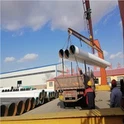
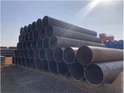
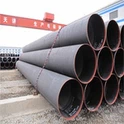
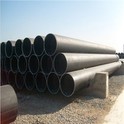
ASTM A252 Grade 3 Mild Steel Pipe Piles are a common choice for port building in high - salinity water areas. These piles are made of mild steel and have good strength and durability. With proper corrosion protection measures such as coatings and cathodic protection, they can withstand the harsh conditions of high - salinity water. The ASTM A252 Grade 3 specification ensures that the piles meet certain quality and performance standards, making them suitable for a variety of port construction projects.
High Building Structure Pipe
High Building Structure Pipe can also be used as port building piles in high - salinity water. These pipes are designed to have high strength and stiffness, which is essential for supporting the heavy loads in port structures. Similar to ASTM A252 Grade 3 Mild Steel Pipe Piles, they need to be protected against corrosion. Their large diameter and wall thickness provide better resistance to the forces exerted by the water and the structure above.
Bridge Building Structure Pipe and Pile
Bridge Building Structure Pipe and Pile are another option for port construction in high - salinity water areas. These piles are engineered to withstand the complex loading conditions in bridge and port structures. They are often made of high - strength steel or concrete and can be designed with specific corrosion protection features. Their design and construction are based on strict engineering standards, ensuring their reliability in high - salinity environments.
Conclusion
In conclusion, it is possible to install port building piles in areas with high - salinity water, but it requires careful consideration of the challenges and the implementation of appropriate solutions. By selecting the right materials, using effective corrosion protection techniques, and conducting regular inspection and maintenance, the piles can have a long and reliable service life.
As a supplier of port building piles, I am committed to providing high - quality piles that are suitable for high - salinity water areas. Our products, including ASTM A252 Grade 3 Mild Steel Pipe Piles, High Building Structure Pipe, and Bridge Building Structure Pipe and Pile, are designed and manufactured to meet the highest standards of quality and performance.

If you are planning a port construction project in a high - salinity water area, I encourage you to contact us for more information and to discuss your specific requirements. Our team of experts is ready to assist you in selecting the most suitable piles for your project and providing you with comprehensive technical support.
References
- Fontana, M. G. (1986). Corrosion Engineering. McGraw - Hill.
- ASTM International. (2023). ASTM A252 Standard Specification for Welded and Seamless Steel Pipe Piles.
- ACI Committee 318. (2019). Building Code Requirements for Structural Concrete (ACI 318 - 19) and Commentary. American Concrete Institute.