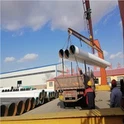
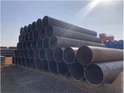
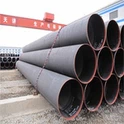
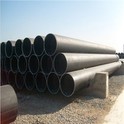
Hey there! As a supplier of European Piling Pipe, I've dealt with all sorts of issues related to these pipes, especially when it comes to the joints and ensuring tightness. In this blog, I'll share some tips and tricks on how to handle the joints of European Piling Pipe to make sure they're nice and tight.
First off, let's talk about why joint tightness is such a big deal. When you're using European Piling Pipe, whether it's for High Building Structure Pipe or Euro Underground Pile, a leaky joint can spell big trouble. It can lead to loss of material, reduce the overall strength of the structure, and even cause environmental problems if any harmful substances are being transported through the pipes.
One of the most common methods for joining European Piling Pipe is welding. Welding creates a strong, permanent bond between the pipes, but it's not without its challenges. To ensure a tight weld joint, you need to start with a clean surface. Any dirt, rust, or grease on the pipe ends can prevent the weld from properly fusing the metal together. So, before you start welding, make sure to clean the pipe ends thoroughly using a wire brush or a grinder.

Another important factor in welding is the welding technique. You need to use the right type of welding process and the correct welding parameters. For European Piling Pipe, EN10219 S355J0H is a common material, and it has specific requirements for welding. You should follow the manufacturer's recommendations and industry standards to ensure a high-quality weld. For example, the welding current, voltage, and travel speed need to be adjusted according to the thickness of the pipe wall and the type of welding electrode being used.
After welding, it's crucial to inspect the joint for any defects. You can use non-destructive testing methods such as ultrasonic testing or X-ray testing to check for internal flaws in the weld. Visual inspection is also important to look for any external signs of cracking, porosity, or incomplete fusion. If you find any defects, you need to repair them immediately to ensure the tightness of the joint.
In addition to welding, another option for joining European Piling Pipe is using mechanical connectors. Mechanical connectors offer several advantages over welding, such as faster installation, easier disassembly, and the ability to connect pipes with different diameters. However, to ensure tightness, you need to choose the right type of mechanical connector and install it correctly.
When selecting a mechanical connector, you need to consider the operating conditions, such as pressure, temperature, and the type of fluid being transported. Make sure the connector is rated for the specific application. During installation, follow the manufacturer's instructions carefully. This includes properly aligning the pipes, tightening the bolts or clamps to the recommended torque, and using any necessary gaskets or seals.
Gaskets and seals play a vital role in ensuring the tightness of mechanical joints. They help to prevent leaks by filling the gaps between the pipe ends and the connector. When choosing gaskets and seals, make sure they are made of a material that is compatible with the fluid being transported and the operating conditions. For example, if you're dealing with a corrosive fluid, you'll need a gasket made of a corrosion-resistant material.
Proper installation of gaskets and seals is also crucial. You need to make sure they are clean, undamaged, and properly seated in the joint. Any misalignment or damage to the gasket can lead to leaks. After installation, perform a pressure test to check for any leaks. If you detect a leak, you may need to adjust the gasket or replace it if it's damaged.

Pre-installation preparation is also key to ensuring joint tightness. Before joining the pipes, you need to measure the pipe dimensions carefully to ensure a proper fit. Any dimensional inaccuracies can make it difficult to achieve a tight joint. You should also check the pipe ends for any damage or deformation. If you find any issues, you may need to repair or replace the affected section of the pipe.
During the installation process, it's important to maintain a clean and dry environment. Moisture and dirt can contaminate the joint and prevent a proper seal. Make sure to protect the pipes and connectors from the elements and keep them clean throughout the installation.

Once the pipes are installed, regular maintenance is essential to keep the joints tight. Inspect the joints periodically for any signs of wear, corrosion, or leakage. Check the bolts or clamps for tightness and retighten them if necessary. If you notice any problems, address them promptly to prevent further damage.
In conclusion, ensuring the tightness of the joints of European Piling Pipe requires careful attention to detail at every stage, from pre-installation preparation to regular maintenance. Whether you're using welding or mechanical connectors, following the proper procedures and using high-quality materials are essential. By taking these steps, you can ensure that your European Piling Pipe joints are tight and reliable, which will ultimately lead to a more successful and long-lasting project.
If you're in the market for European Piling Pipe or have any questions about joint tightness, feel free to reach out to us. We're here to help you with all your piling pipe needs and ensure that you get the best products and solutions for your projects.
References:
- Industry standards for European Piling Pipe installation and jointing
- Manufacturer's guidelines for welding and mechanical connectors
- Technical literature on gasket and seal materials and applications