Maintaining EFW (Electric Fusion Welded) steel pipes is crucial for ensuring their longevity, performance, and safety. As a trusted EFW steel pipe supplier, I understand the significance of proper maintenance in maximizing the value of these products. In this blog post, I will share some essential tips and best practices on how to maintain EFW steel pipes effectively.
Understanding EFW Steel Pipes
Before delving into maintenance strategies, it's important to have a basic understanding of EFW steel pipes. EFW steel pipes are manufactured by cold-forming steel coils into a tubular shape and then welding the seams using electric resistance welding (ERW) or high-frequency induction welding (HFI). These pipes are widely used in various industries, including oil and gas, construction, water supply, and mechanical engineering, due to their high strength, durability, and cost-effectiveness.
Inspection and Monitoring
Regular inspection and monitoring are the cornerstones of EFW steel pipe maintenance. By conducting routine inspections, you can detect potential issues early on and take proactive measures to prevent them from escalating into major problems. Here are some key aspects to consider during inspections:


- Visual Inspection: Perform a visual inspection of the pipes regularly to check for signs of damage, such as cracks, dents, corrosion, or weld defects. Pay close attention to areas prone to stress, such as joints, bends, and connections.
- Thickness Measurement: Use ultrasonic testing or other non-destructive testing methods to measure the wall thickness of the pipes at regular intervals. A significant decrease in wall thickness may indicate corrosion or erosion, which can compromise the structural integrity of the pipes.
- Pressure Testing: Conduct pressure tests periodically to ensure that the pipes can withstand the designed operating pressure. Pressure testing can help identify leaks, weak spots, or other defects that may not be visible during visual inspections.
- Environmental Monitoring: Monitor the environmental conditions around the pipes, such as temperature, humidity, and chemical exposure. Extreme temperatures, high humidity, and corrosive substances can accelerate the deterioration of the pipes, so it's important to take appropriate measures to protect them.
Cleaning and Coating
Proper cleaning and coating are essential for protecting EFW steel pipes from corrosion and other forms of damage. Here are some tips on how to clean and coat the pipes effectively:
- Cleaning: Remove dirt, debris, and other contaminants from the surface of the pipes using a suitable cleaning agent and a soft brush or cloth. Avoid using abrasive materials or harsh chemicals that can damage the pipe surface.
- Surface Preparation: Before applying a coating, ensure that the pipe surface is clean, dry, and free of rust, scale, or other contaminants. Use a wire brush, sandblasting, or other surface preparation methods to achieve a smooth and clean surface.
- Coating Application: Apply a high-quality coating to the pipe surface to protect it from corrosion and other forms of damage. There are various types of coatings available, such as epoxy, polyurethane, and zinc-rich coatings, each with its own advantages and disadvantages. Choose a coating that is suitable for the specific application and environmental conditions.
- Coating Maintenance: Regularly inspect the coating for signs of damage or wear and tear. If the coating is damaged, repair or recoat the affected area immediately to prevent corrosion from spreading.
Storage and Handling
Proper storage and handling are important for preventing damage to EFW steel pipes during transportation and storage. Here are some tips on how to store and handle the pipes safely:
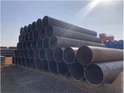
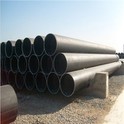
- Storage: Store the pipes in a dry, well-ventilated area away from direct sunlight, moisture, and corrosive substances. Stack the pipes in a stable and secure manner to prevent them from falling or rolling.
- Protection: Protect the pipes from physical damage during transportation and storage by using suitable packaging materials, such as plastic wraps, cardboard boxes, or wooden crates. Avoid stacking heavy objects on top of the pipes, as this can cause dents or other damage.
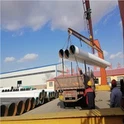
- Handling: Use appropriate lifting and handling equipment, such as cranes, forklifts, or hoists, to move the pipes safely. Avoid dragging or sliding the pipes on rough surfaces, as this can damage the pipe surface.
- Installation: Follow the manufacturer's instructions and industry best practices when installing the pipes. Ensure that the pipes are properly supported and aligned to prevent stress and strain on the joints and connections.
Maintenance Records
Maintaining accurate maintenance records is essential for tracking the maintenance history of EFW steel pipes and ensuring that they are properly maintained over time. Here are some tips on how to keep maintenance records effectively:
- Record Keeping: Keep detailed records of all inspections, maintenance activities, repairs, and replacements performed on the pipes. Include information such as the date, time, location, type of inspection or maintenance, and the results of the inspection or maintenance.
- Documentation: Maintain copies of all relevant documentation, such as inspection reports, test results, maintenance schedules, and warranties. This documentation can be used as evidence of compliance with industry standards and regulations and can also be helpful in troubleshooting and problem-solving.
- Data Analysis: Analyze the maintenance records regularly to identify trends, patterns, or potential issues. This can help you make informed decisions about future maintenance activities and prioritize resources effectively.
Conclusion
Maintaining EFW steel pipes is essential for ensuring their longevity, performance, and safety. By following the tips and best practices outlined in this blog post, you can effectively maintain your EFW steel pipes and minimize the risk of damage, corrosion, and other problems. Remember to conduct regular inspections, clean and coat the pipes, store and handle them properly, and keep accurate maintenance records. If you have any questions or need further assistance with EFW steel pipe maintenance, please don't hesitate to [contact us for procurement and further discussions].
References
- "Steel Pipe Handbook" by The Welding Institute
- "Corrosion Control in the Oil and Gas Industry" by NACE International
- "ASTM A672 Steel Pipe" [/lsaw-steel-pipe/efw-steel-pipe/astm-a672-steel-pipe.html]
- "LTCS Pipe" [/lsaw-steel-pipe/efw-steel-pipe/ltcs-pipe.html]
- "Steel Pipe for Atmospheric and Lower Temperatures" [/lsaw-steel-pipe/efw-steel-pipe/steel-pipe-for-atmospheric-and-lower.html]