Yo, folks! As a supplier of port building piles, I've been deep into the nitty - gritty of what these piles do, especially in earthquake - prone areas. So, let's dive right in and talk about the role of port building piles in these high - risk zones.
First off, let's understand what port building piles are. They're basically long, cylindrical structures that are driven deep into the ground at ports. These piles can be made from different materials like steel, concrete, or timber. And in my business, I deal mainly with steel piles, which are super popular due to their strength and durability.


Now, why are these piles so important in earthquake - prone areas? Well, earthquakes can cause some serious damage to ports. The ground shakes violently, and this can lead to soil liquefaction. Soil liquefaction is when the soil loses its strength and behaves like a liquid. Imagine a port built on soil that suddenly turns into a slushy mess. It's a disaster waiting to happen!
Port building piles act as the backbone of the port's structure. They transfer the load of the port facilities, like warehouses, cranes, and shipping containers, deep down to more stable layers of soil or rock. This way, even when the ground above is shaking and going through all sorts of chaos during an earthquake, the piles keep the port from collapsing.
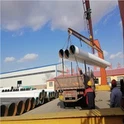
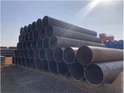
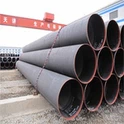
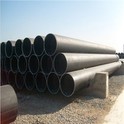
Let's talk about the types of piles that are commonly used in port construction. One of the popular ones is the EN10219 S355J0H steel pile. You can check out more about it here. These piles are made of high - quality steel, which has excellent strength and toughness. They can withstand the high stresses and strains that come with an earthquake.
Another type is the Offshore Structure Pipe, which you can learn more about here. These pipes are designed to be used in harsh marine environments, which is perfect for ports. They're resistant to corrosion, which is a big deal considering the saltwater and other corrosive elements in a port area. And during an earthquake, their robust design helps them stay intact and support the port structures.
The High Building Structure Pipe, detailed here, is also a great option for port building. These pipes are engineered to handle heavy loads, which is crucial for ports that have large - scale facilities. They provide stability and can absorb a significant amount of the energy released during an earthquake.
When it comes to installation, it's not just about slamming the piles into the ground. In earthquake - prone areas, the installation process needs to be carefully planned. The piles need to be driven at the right angle and depth to ensure maximum stability. Engineers use advanced techniques and equipment to make sure the piles are properly installed. For example, they might use pile driving hammers that can control the force and frequency of the blows, ensuring that the piles are driven deep enough without causing damage to the surrounding soil.
Moreover, the design of the pile foundation also plays a key role. A well - designed pile foundation can distribute the seismic forces evenly across the piles. This means that no single pile is overloaded during an earthquake, reducing the risk of failure. There are different types of pile foundations, like the group pile foundation, where multiple piles are grouped together to support a single structure. This type of foundation can provide better resistance to lateral forces, which are common during an earthquake.
But it's not just about the technical aspects. Maintenance is also crucial. Regular inspections of the piles are necessary to check for any signs of damage or wear. Cracks, corrosion, or any other issues need to be addressed immediately. If a pile is damaged, it can compromise the entire stability of the port. And in an earthquake - prone area, you can't afford to take any chances.
In addition to providing structural support, port building piles also help in reducing the impact of tsunamis, which are often associated with earthquakes. Tsunamis can cause massive waves that can flood ports and damage the facilities. The piles can act as a barrier to some extent, breaking up the force of the waves and reducing the amount of water that can enter the port area.
Now, I know what you're thinking. "This all sounds great, but how do I get my hands on these awesome port building piles?" Well, that's where I come in. As a supplier, I've got a wide range of high - quality port building piles that are suitable for earthquake - prone areas. Whether you need EN10219 S355J0H steel piles, Offshore Structure Pipes, or High Building Structure Pipes, I can provide them.
If you're involved in port construction or renovation in an earthquake - prone area, I'd love to have a chat with you. We can discuss your specific needs, the best type of piles for your project, and how we can work together to make your port as safe and stable as possible. Don't hesitate to reach out if you're interested in learning more or starting the procurement process.
In conclusion, port building piles are absolutely essential in earthquake - prone areas. They provide the much - needed stability and support to port structures, protecting them from the devastating effects of earthquakes. With the right type of piles, proper installation, and regular maintenance, ports can continue to operate safely even in the face of seismic activity. So, if you're in the market for port building piles, give me a shout, and let's get your project on the right track.
References
- "Seismic Design of Pile Foundations" by J. P. Bouckovalas and G. Gazetas
- "Structural Steel Design" by William T. Segui
- "Marine Structures: Design, Construction, and Maintenance" by C. R. Hicks