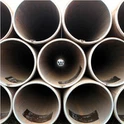
Compatibility Issues of Euro Underground Piles with Other Building Materials
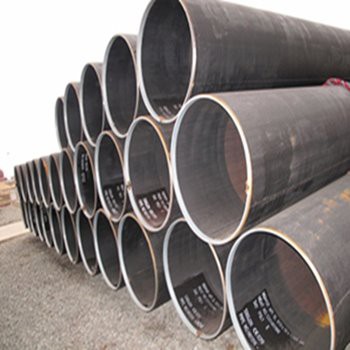
As a supplier of Euro Underground Piles, I've witnessed firsthand the complexities and challenges that come with integrating these piles into various construction projects. Euro Underground Piles are renowned for their durability, strength, and reliability, but like any building material, they present unique compatibility issues when combined with other elements in a construction project. In this blog post, I'll explore some of the key compatibility issues and how to address them effectively.
Compatibility with Concrete
Concrete is one of the most commonly used building materials in construction, and it often works in conjunction with underground piles. When Euro Underground Piles are used in concrete structures, several compatibility issues may arise.
Thermal Expansion: Euro Underground Piles, typically made of steel, have a different coefficient of thermal expansion compared to concrete. As temperatures fluctuate, the steel piles and the concrete can expand and contract at different rates. This differential movement can lead to stress concentration at the interface between the pile and the concrete, potentially causing cracks in the concrete or damage to the pile. To mitigate this issue, it's crucial to design the connection between the pile and the concrete in a way that allows for some movement. This can be achieved through the use of flexible joints or by incorporating expansion joints in the concrete structure.
Chemical Compatibility: The chemical environment in the soil and the concrete can also affect the compatibility of Euro Underground Piles. Steel piles are susceptible to corrosion, especially in environments with high moisture, acidic soil, or high levels of chloride ions. Concrete, on the other hand, can provide some protection to the steel piles if it has a high alkalinity. However, if the concrete is not properly formulated or if there are cracks in the concrete, the steel piles can be exposed to corrosive elements. To prevent corrosion, it's important to use protective coatings on the steel piles and ensure that the concrete has a sufficient cover thickness to protect the piles from the surrounding environment.
Compatibility with Foundation Slabs
Foundation slabs are another common element in construction projects that interact with Euro Underground Piles. The compatibility between the piles and the foundation slab is crucial for the overall stability and performance of the structure.
Load Transfer: Euro Underground Piles are designed to transfer the load from the structure to the underlying soil. When the piles are connected to a foundation slab, it's important to ensure that the load is transferred evenly and efficiently. If the connection between the pile and the slab is not properly designed, it can lead to uneven settlement and structural damage. To achieve proper load transfer, the connection between the pile and the slab should be designed to accommodate the different stiffness and load - bearing characteristics of the two elements. This may involve using dowels, shear keys, or other connection details to ensure a strong and reliable connection.
Differential Settlement: Differential settlement can occur when the soil beneath the foundation slab and the piles settles at different rates. This can be caused by variations in soil properties, changes in groundwater levels, or the presence of soft soil layers. To minimize differential settlement, it's important to conduct a thorough geotechnical investigation before the construction of the foundation. Based on the results of the investigation, appropriate measures can be taken, such as increasing the pile length, using soil improvement techniques, or adjusting the design of the foundation slab.
Compatibility with Other Structural Elements
In addition to concrete and foundation slabs, Euro Underground Piles may also need to be compatible with other structural elements, such as beams, columns, and walls.
Connection Details: The connection between the piles and other structural elements is critical for the overall integrity of the structure. Different types of connections may be required depending on the type of structure and the loads involved. For example, in a steel - framed structure, the piles may need to be connected to steel beams using welded or bolted connections. These connections need to be designed to transfer the loads safely and efficiently, taking into account the different material properties and the forces acting on the structure.
Structural Stiffness: The stiffness of the Euro Underground Piles and other structural elements can also affect their compatibility. If the stiffness of the piles is significantly different from that of the other elements, it can lead to stress concentration and potential failure. To ensure compatibility, the stiffness of the piles and other elements should be carefully considered during the design process. This may involve adjusting the pile diameter, length, or material properties to match the stiffness requirements of the overall structure.
Addressing Compatibility Issues
To address the compatibility issues of Euro Underground Piles with other building materials, several strategies can be employed.
Design Considerations: During the design phase, it's important to consider the compatibility of all the building materials involved. This includes conducting a detailed analysis of the loads, forces, and environmental conditions that the structure will be subjected to. By taking these factors into account, the design can be optimized to ensure that the Euro Underground Piles work effectively with other building materials.
Material Selection: Choosing the right materials is crucial for ensuring compatibility. For example, when using concrete, it's important to select a concrete mix that is compatible with the steel piles and the surrounding environment. Similarly, when selecting other structural elements, such as beams and columns, it's important to consider their compatibility with the piles in terms of strength, stiffness, and corrosion resistance.
Quality Control: Quality control is essential throughout the construction process to ensure that the Euro Underground Piles and other building materials are installed correctly and meet the design requirements. This includes inspecting the piles for damage, ensuring proper installation of the connection details, and monitoring the construction process to detect any potential compatibility issues early on.
Conclusion
Euro Underground Piles are a valuable building material that can provide significant benefits in terms of strength and durability. However, they also present unique compatibility issues when combined with other building materials. By understanding these issues and taking appropriate measures to address them, construction projects can be completed successfully, ensuring the long - term performance and safety of the structure.
If you're interested in learning more about Euro Underground Piles or have any questions regarding their compatibility with other building materials, please feel free to [initiate a contact for procurement and negotiation]. We're here to provide you with the best solutions for your construction needs.
For more information on our products, you can visit the following links:

References
- Smith, J. (2018). "Compatibility of Building Materials in Construction". Construction Materials Journal, 25(3), 123 - 135.
- Johnson, R. (2019). "Thermal Expansion and Compatibility in Structural Design". Structural Engineering Review, 32(2), 89 - 102.
- Brown, A. (2020). "Load Transfer and Compatibility in Foundation Systems". Geotechnical Engineering Magazine, 45(4), 156 - 168.