The oil and gas industry is a complex and capital - intensive sector, where the cost of pipes plays a crucial role in project economics. As a supplier of Oil And Gas Pipes, I have witnessed firsthand the various factors that contribute to the cost of these essential components. In this blog, I will delve into the key cost factors for oil and gas pipes, providing insights for industry players and potential buyers.
Material Costs
The type of material used in manufacturing oil and gas pipes is a primary determinant of cost. Steel is the most common material due to its strength, durability, and resistance to corrosion. However, not all steels are created equal. High - grade steels with specific alloying elements, such as chromium, nickel, and molybdenum, are often required for pipes operating in harsh environments, such as deep - sea oil fields or areas with high - sulfur content in the gas. These alloyed steels are more expensive to produce because of the cost of the raw materials and the complex manufacturing processes involved.
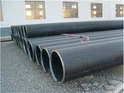
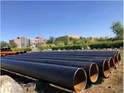
For instance, API 5L LSAW (Longitudinal Submerged Arc Welded) steel pipes are widely used in the oil and gas industry. They are made to meet strict industry standards and are often fabricated from high - quality steel. You can find more information about API 5L LSAW Steel Pipe on our website. The production of these pipes requires precise control over the chemical composition and mechanical properties of the steel, which adds to the overall cost.
Manufacturing Processes
The manufacturing method of oil and gas pipes significantly impacts their cost. There are different ways to produce pipes, including seamless and welded processes. Seamless pipes are made by piercing a solid billet of steel, which results in a pipe without any weld seams. This manufacturing process is more complex and time - consuming, requiring specialized machinery and skilled labor. As a result, seamless pipes are generally more expensive than welded pipes.
Welded pipes, on the other hand, are made by welding flat steel plates or coils. There are several types of welded pipes, such as Electric Resistance Welded (ERW) and Submerged Arc Welded (SAW) pipes. SAW pipes, especially LSAW pipes, are known for their high quality and are suitable for high - pressure applications. The welding process in LSAW pipes involves precise control to ensure the integrity of the weld, which requires advanced equipment and experienced welders, thus increasing the cost.


Pipe Dimensions and Specifications
The dimensions of oil and gas pipes, including diameter, wall thickness, and length, also affect the cost. Larger - diameter pipes generally require more raw materials and more energy to manufacture. Similarly, pipes with thicker walls are more expensive because they need more steel. The length of the pipe can also impact the cost, as longer pipes may require special handling and transportation arrangements.
In addition to physical dimensions, the specifications of the pipes, such as pressure ratings, temperature resistance, and corrosion resistance, play a role in cost determination. Pipes designed for high - pressure applications need to be made from stronger materials and undergo more rigorous testing, which adds to the cost. For example, pipes used in offshore oil and gas platforms need to withstand high pressures and corrosive seawater, so they are often more expensive than those used in onshore pipelines.
Coating and Protection
To prevent corrosion and extend the service life of oil and gas pipes, various coating and protection methods are applied. Coating materials can range from simple paint coatings to more advanced epoxy or polyethylene coatings. The cost of these coatings depends on the type of coating, the thickness of the coating layer, and the application process.
For example, a three - layer polyethylene (3LPE) coating is a popular choice for protecting pipes in harsh environments. This coating system provides excellent corrosion resistance but is more expensive than other types of coatings due to the multiple layers and the complex application process. The cost of applying the coating also includes the cost of surface preparation, which is necessary to ensure good adhesion of the coating to the pipe surface.
Quality Control and Testing
Quality control and testing are essential steps in the production of oil and gas pipes to ensure that they meet industry standards and customer requirements. Pipes are subjected to a series of tests, including non - destructive testing (NDT) methods such as ultrasonic testing, magnetic particle testing, and radiographic testing, as well as destructive testing such as tensile testing and impact testing.
The cost of quality control and testing includes the cost of testing equipment, the labor cost of technicians, and the cost of any additional materials used in the testing process. For example, ultrasonic testing requires specialized ultrasonic testing equipment and trained operators, which adds to the overall cost of the pipes.
Transportation and Logistics
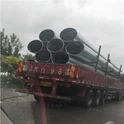
Transporting oil and gas pipes from the manufacturing facility to the project site is another significant cost factor. The weight and size of the pipes make transportation challenging and expensive. Large - diameter and long - length pipes require special transportation equipment, such as heavy - duty trucks or barges.
The distance between the manufacturing plant and the project site also affects the transportation cost. Longer distances mean higher fuel costs and more time for transportation. In addition, international shipments may involve additional costs such as customs duties, tariffs, and insurance.
Market Conditions
Market conditions, including the supply and demand of steel and other raw materials, as well as the overall economic situation, can have a significant impact on the cost of oil and gas pipes. When the demand for steel is high, the price of raw materials increases, which in turn raises the cost of pipe production. Similarly, economic downturns can lead to reduced demand for oil and gas, which may result in lower prices for pipes as suppliers try to compete for a smaller market.
Regulatory and Environmental Requirements
The oil and gas industry is highly regulated, and pipes must comply with various national and international standards and regulations. Meeting these requirements often involves additional costs, such as the cost of obtaining certifications and the cost of implementing environmental protection measures during the manufacturing process.
For example, pipes used in the oil and gas industry may need to comply with API standards, ISO standards, and local environmental regulations. These regulations ensure the safety and environmental friendliness of the pipes but can increase the cost of production.
Conclusion
In conclusion, the cost of oil and gas pipes is influenced by a multitude of factors, including material costs, manufacturing processes, pipe dimensions and specifications, coating and protection, quality control and testing, transportation and logistics, market conditions, and regulatory requirements. As a supplier of Oil And Gas Pipes, we understand the complexity of these cost factors and strive to provide high - quality pipes at competitive prices.
If you are in the market for Gas Pipe Plumbing or Oil Line Pipe, we invite you to contact us for a detailed quote and to discuss your specific requirements. Our team of experts is ready to assist you in finding the most suitable pipes for your project.
References
- API Specification 5L, Specification for Line Pipe, American Petroleum Institute.
- ISO 3183, Petroleum and natural gas industries - Steel pipe for pipeline transportation systems, International Organization for Standardization.
- Various industry reports on the oil and gas pipeline market.