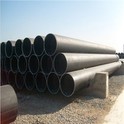
Welded oil and gas pipes have long been a staple in the industry, offering a cost - effective and relatively easy - to - install solution for transporting hydrocarbons. As a seasoned supplier of Oil And Gas Pipes, I've seen firsthand the widespread use of these welded pipes. However, it's essential to be aware of their disadvantages to make informed decisions in the field.
1. Weld Quality and Integrity Issues
One of the most significant drawbacks of welded oil and gas pipes is the potential for weld - related problems. Welding is a complex process that requires a high level of skill and precision. Even minor errors during the welding process can lead to significant issues.
Incomplete fusion is a common problem. This occurs when the weld metal fails to properly bond with the base metal. As a result, there are weak spots in the pipe, which can lead to leaks or even pipe failures under pressure. These weak areas are more likely to corrode over time as well, further compromising the integrity of the pipe.
Porosity is another weld - related issue. It happens when gas is trapped within the weld metal during the solidification process. These tiny holes reduce the strength of the weld and can act as initiation points for cracks. Cracks in welded pipes can propagate rapidly, especially under high - pressure conditions in oil and gas transportation. This can lead to sudden and catastrophic failures, causing environmental damage, safety hazards, and significant financial losses.
2. Corrosion Susceptibility
Welded pipes are generally more prone to corrosion compared to seamless pipes. The welding process changes the microstructure of the metal at the weld zone. This altered microstructure can create an environment where corrosion is more likely to occur.
Galvanic corrosion can be a particular problem. When two different metals or alloys are in contact in the presence of an electrolyte (such as water or saltwater), an electrochemical reaction takes place. In welded pipes, the weld metal may have a different composition than the base metal, creating a galvanic couple. This can lead to accelerated corrosion at the weld area.
Pitting corrosion is also a concern. The heat - affected zone (HAZ) around the weld is often more susceptible to pitting. Pitting corrosion starts as small holes on the surface of the pipe and can penetrate deeply into the metal, eventually leading to leaks. For oil and gas pipelines, which often operate in harsh environments, corrosion can significantly reduce the service life of the pipes and increase maintenance costs.
3. Limited Pressure and Temperature Resistance
Welded pipes typically have limitations when it comes to withstanding high pressures and extreme temperatures. The welds are the weakest points in the pipe, and under high - pressure conditions, they are more likely to fail compared to seamless pipes.
In high - pressure oil and gas applications, such as deep - sea drilling or high - pressure transmission lines, the stress on the pipes is extremely high. Welded pipes may not be able to handle these extreme pressures without experiencing weld failures. Similarly, in applications where the pipes are exposed to high temperatures, the welds can become brittle and lose their strength.
For example, in some oil refineries, where the temperature can reach very high levels during the refining process, welded pipes may not be the best choice. The thermal expansion and contraction during heating and cooling cycles can put additional stress on the welds, leading to premature failure.
4. Dimensional Accuracy
Achieving precise dimensional accuracy in welded pipes can be challenging. The welding process involves heating and cooling, which can cause distortion in the pipe. This distortion can lead to variations in the pipe's diameter, wall thickness, and straightness.
In oil and gas pipeline systems, precise dimensional accuracy is crucial for proper installation and connection. If the pipes do not have the correct dimensions, it can be difficult to connect them properly, leading to leaks at the joints. Additionally, inaccurate dimensions can affect the flow of oil and gas through the pipes, reducing the efficiency of the pipeline system.
5. Inspection and Quality Control Challenges
Inspecting welded pipes for defects is a complex and time - consuming process. Unlike seamless pipes, which have a more uniform structure, welded pipes have welds that need to be carefully examined.


Non - destructive testing methods, such as ultrasonic testing, radiography, and magnetic particle testing, are commonly used to detect weld defects. However, these methods require specialized equipment and trained personnel. The inspection process can be expensive, especially for large - scale pipeline projects.
Moreover, some weld defects may not be easily detectable using non - destructive testing methods. For example, micro - cracks or internal porosity may be missed, leading to potential failures in the future. Ensuring the quality of welded pipes requires strict quality control measures throughout the manufacturing process, which adds to the overall cost.
6. Environmental and Regulatory Concerns
In recent years, there has been increasing environmental and regulatory scrutiny on the oil and gas industry. Welded pipes, with their higher risk of corrosion and failure, pose a greater environmental threat.
A pipe failure can result in the release of oil or gas into the environment, causing soil and water pollution, as well as harm to wildlife. Regulatory bodies are imposing stricter requirements on pipeline operators to ensure the safety and environmental performance of their pipelines. This means that companies using welded pipes may face more stringent inspections and compliance costs.
Conclusion
Despite these disadvantages, welded pipes still have their place in the oil and gas industry due to their cost - effectiveness and ease of manufacturing. However, it's important for operators and engineers to carefully consider these drawbacks when selecting pipes for their projects.
At our company, we understand the importance of providing high - quality pipes that meet the specific needs of our customers. We offer a range of products, including X80 LSAW Steel Pipe, Gas Pipe Plumbing, and Carbon Steel API Sour Service Line Pipe. We are committed to providing our customers with the best possible solutions, whether it's welded or seamless pipes.
If you are in the market for oil and gas pipes and want to discuss your specific requirements, we encourage you to reach out to us. Our team of experts is ready to assist you in making the right choice for your project.
References
- ASME B31.8: Gas Transmission and Distribution Piping Systems.
- API 5L: Specification for Line Pipe.
- NACE International: Standards for Corrosion Control in the Oil and Gas Industry.