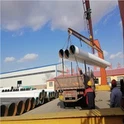
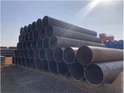
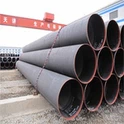
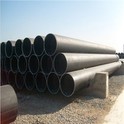
In the dynamic landscape of the global steel industry, API 5L LSAW (Longitudinal Submerged Arc Welded) steel pipes have emerged as a cornerstone for various critical applications, particularly in the oil and gas sectors. As a leading supplier of API 5L LSAW steel pipes, I am deeply involved in observing and understanding the market trends that shape this industry. This blog post aims to explore the current market trends of API 5L LSAW steel pipes, offering insights into the factors driving these trends and their implications for the future.
Market Demand and Growth Drivers
The demand for API 5L LSAW steel pipes remains robust, primarily driven by the continuous growth of the oil and gas industry. These pipes are widely used in Oil Line Pipe systems, Gas Pipe Plumbing, and other infrastructure projects due to their high strength, excellent weldability, and corrosion resistance. With the increasing exploration and production activities in both onshore and offshore oil and gas fields, the need for reliable and high-quality pipes has never been greater.
One of the key growth drivers is the expansion of energy infrastructure in emerging economies. Countries in Asia, Africa, and the Middle East are investing heavily in building new pipelines to transport oil and gas from production sites to refineries and distribution centers. This infrastructure development not only supports the domestic energy needs but also enhances regional energy security. Additionally, the growing demand for natural gas as a cleaner alternative to coal and oil is fueling the construction of gas pipelines, further boosting the market for API 5L LSAW steel pipes.
Another factor contributing to the market growth is the replacement of aging pipelines. Many existing pipelines in developed countries are reaching the end of their service life, requiring replacement to ensure safety and efficiency. This presents a significant opportunity for suppliers of API 5L LSAW steel pipes, as the replacement projects often involve large-scale procurement.
Technological Advancements
The API 5L LSAW steel pipe industry is witnessing rapid technological advancements that are enhancing the quality and performance of the pipes. One of the notable developments is the improvement in welding technology. Advanced welding techniques, such as double-sided submerged arc welding, ensure high-quality welds with excellent mechanical properties, reducing the risk of weld defects and improving the overall integrity of the pipes.


In addition, the use of advanced materials and manufacturing processes is enabling the production of pipes with higher strength and better corrosion resistance. For example, the development of Carbon Steel API Sour Service Line Pipe has addressed the challenges posed by sour environments, where the presence of hydrogen sulfide can cause corrosion and cracking in the pipes. These pipes are designed to withstand the harsh conditions of sour gas and oil fields, ensuring long-term reliability and safety.
Furthermore, the integration of digital technologies, such as automation and data analytics, is revolutionizing the manufacturing process. Automated production lines can improve the efficiency and consistency of pipe manufacturing, while data analytics can be used to monitor and optimize the production process, reducing waste and improving quality control.
Environmental and Regulatory Factors
Environmental concerns and regulatory requirements are playing an increasingly important role in shaping the market trends of API 5L LSAW steel pipes. The steel industry is one of the major emitters of greenhouse gases, and there is growing pressure to reduce its environmental impact. As a result, many steel manufacturers are investing in research and development to develop more sustainable production processes and materials.
In addition, regulatory requirements for pipeline safety and environmental protection are becoming more stringent. Governments around the world are implementing regulations to ensure the safe design, construction, and operation of pipelines. These regulations often specify the quality and performance standards for API 5L LSAW steel pipes, which can influence the market demand and competition.
For example, the Pipeline and Hazardous Materials Safety Administration (PHMSA) in the United States has established strict regulations for the design, construction, and maintenance of oil and gas pipelines. Compliance with these regulations is mandatory for pipeline operators, and suppliers of API 5L LSAW steel pipes need to ensure that their products meet the required standards.
Market Competition and Pricing
The market for API 5L LSAW steel pipes is highly competitive, with numerous suppliers operating globally. The competition is primarily based on factors such as product quality, price, delivery time, and customer service. To stay competitive, suppliers need to continuously improve their products and services, while also keeping their costs under control.
Pricing is a critical factor in the market competition. The price of API 5L LSAW steel pipes is influenced by various factors, including the cost of raw materials, energy prices, manufacturing costs, and market demand. Fluctuations in these factors can lead to significant price variations in the market. For example, an increase in the price of steel scrap, which is a major raw material for steel production, can drive up the cost of API 5L LSAW steel pipes.
In addition, the global economic situation and trade policies can also have an impact on the pricing of API 5L LSAW steel pipes. Trade disputes, tariffs, and currency fluctuations can affect the cost of imports and exports, which can in turn influence the market price.
Future Outlook
Looking ahead, the market for API 5L LSAW steel pipes is expected to continue to grow, driven by the ongoing development of the oil and gas industry and the need for infrastructure improvement. However, the industry also faces several challenges, such as environmental concerns, regulatory requirements, and market competition.
To succeed in the future market, suppliers of API 5L LSAW steel pipes need to focus on innovation and sustainability. They need to invest in research and development to develop new products and technologies that can meet the evolving needs of the market. At the same time, they need to adopt more sustainable production processes and materials to reduce their environmental impact.
In addition, suppliers need to build strong partnerships with their customers and stakeholders to understand their needs and provide customized solutions. By offering high-quality products, excellent customer service, and competitive pricing, suppliers can differentiate themselves in the market and gain a competitive edge.
Contact for Procurement
If you are interested in purchasing API 5L LSAW steel pipes or have any questions about our products and services, please feel free to contact us. We are committed to providing you with the best solutions for your needs.
References
- American Petroleum Institute (API). API Specification 5L: Specification for Line Pipe.
- Pipeline and Hazardous Materials Safety Administration (PHMSA). Regulations for Pipeline Safety.
- International Organization for Standardization (ISO). ISO 3183: Petroleum and natural gas industries - Steel pipes for pipelines - Technical delivery conditions.