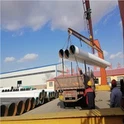
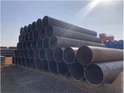
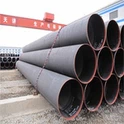
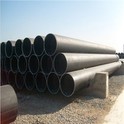
As a supplier of AS 1163 C350 pipe piles, I often receive inquiries about the installation accuracy requirements for these high - quality products. In this blog, I will delve into the details of what the installation accuracy requirements for AS 1163 C350 pipe piles are and why they are crucial.
Understanding AS 1163 C350 Pipe Piles
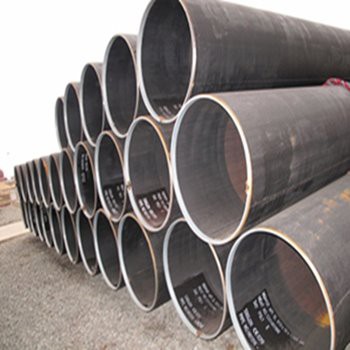
AS 1163 C350 pipe piles are a type of structural steel pipe that conforms to the Australian Standard AS 1163. They are widely used in various construction projects, including Undergroud Pile for building foundations, Jacket Offshore Platform Structure Pipe in offshore engineering, and as LSAW Pipes in different structural applications. These pipes are known for their high strength and durability, making them a popular choice in the construction industry.
Importance of Installation Accuracy
The installation accuracy of AS 1163 C350 pipe piles is of utmost importance. Incorrect installation can lead to a variety of problems, such as uneven load distribution, reduced structural integrity, and potential failure of the entire structure. For example, in a building foundation, if the pipe piles are not installed vertically within the specified tolerance, the building may experience differential settlement, which can cause cracks in the walls and floors, and in severe cases, endanger the safety of the occupants.
Verticality Requirements
One of the key aspects of installation accuracy is the verticality of the pipe piles. According to industry standards and best practices, the verticality of AS 1163 C350 pipe piles should generally be within a tolerance of ±0.5% to ±1% of the pile length. For instance, if you have a 20 - meter - long pipe pile, the maximum deviation from the vertical should be between 100 mm (0.5% of 20m) and 200 mm (1% of 20m).
To achieve this level of verticality, several methods can be employed. During the installation process, the use of advanced surveying equipment such as theodolites and inclinometers is essential. These tools allow the installers to monitor the verticality of the pile in real - time and make adjustments as needed. Additionally, proper positioning of the pile driving equipment and a stable working platform are also crucial factors in ensuring vertical installation.
Alignment Requirements
In addition to verticality, the alignment of the pipe piles in the horizontal plane is also critical. The piles should be installed in the correct position according to the design layout. The horizontal alignment tolerance is typically specified in the project design documents, and it can vary depending on the nature of the project. For a large - scale building project, the horizontal alignment tolerance for each pile may be within ±50 mm to ±100 mm.
To ensure proper alignment, accurate site surveys are conducted before the installation begins. The surveyors mark the exact locations of the pile centers on the ground, and the pile driving equipment is then positioned accordingly. During the installation, continuous monitoring is carried out to ensure that the piles are being driven into the correct positions.
Levelness at the Pile Head
The levelness at the pile head is another important factor. After the pile is driven to the required depth, the top of the pile should be level within a certain tolerance. This is important for the subsequent construction operations, such as the installation of pile caps or other structural elements. The levelness tolerance at the pile head is usually within ±10 mm to ±20 mm.
To achieve the required levelness, the pile driving equipment is often equipped with leveling devices. Once the pile reaches the desired depth, the top of the pile is trimmed or adjusted to ensure it meets the levelness requirement.
Load - Bearing Capacity and Installation Accuracy
The installation accuracy directly affects the load - bearing capacity of the AS 1163 C350 pipe piles. When the piles are installed accurately, they can distribute the loads evenly, maximizing their load - bearing capacity. On the other hand, if the installation is inaccurate, some parts of the pile may be over - stressed while others may be under - utilized, leading to a reduction in the overall load - bearing capacity of the pile group.
For example, in an offshore platform supported by pipe piles, the accurate installation of the piles ensures that the platform can withstand the dynamic loads from waves, wind, and currents. If the piles are not installed correctly, the platform may experience excessive vibrations and displacements, which can compromise its safety and functionality.
Quality Control during Installation
To ensure that the installation accuracy requirements are met, strict quality control measures should be implemented. This includes regular inspections by qualified engineers and technicians throughout the installation process. They will check the verticality, alignment, and levelness of the piles using the appropriate measuring tools and techniques.
In addition, detailed records should be kept of the installation process, including the pile driving parameters, the measured verticality and alignment values, and any corrective actions taken. These records can be used for future reference and to demonstrate compliance with the project requirements.
Factors Affecting Installation Accuracy
Several factors can affect the installation accuracy of AS 1163 C350 pipe piles. Soil conditions are one of the most significant factors. For example, in soft or uneven soil, the pile may deviate from the intended position during driving. Hard soil layers can also cause problems, such as pile damage or difficulty in achieving the required depth.
The type of pile driving equipment used also plays a role. Different types of hammers and rigs have different levels of accuracy and control. For instance, hydraulic hammers generally offer better control over the driving process compared to diesel hammers, which can result in more accurate pile installation.
Conclusion
In conclusion, the installation accuracy requirements for AS 1163 C350 pipe piles are multi - faceted and crucial for the success of any construction project. Verticality, alignment, and levelness are all key aspects that need to be carefully controlled during the installation process. By adhering to the specified tolerances and implementing strict quality control measures, we can ensure that the pipe piles perform their intended functions effectively and safely.
If you are in need of high - quality AS 1163 C350 pipe piles for your next project, I encourage you to reach out to us. Our team of experts can provide you with detailed information about the products and assist you in ensuring accurate installation. Contact us today to start the procurement and installation process.

References
- Australian Standard AS 1163: Structural steel hollow sections
- Construction Industry Institute (CII) Guidelines for Pile Installation
- International Building Code (IBC) - Related provisions on pile foundations