Hey there! As a supplier of PE coating, I often get asked whether PE coating can be used in the textile industry. Well, let's dig into this topic.
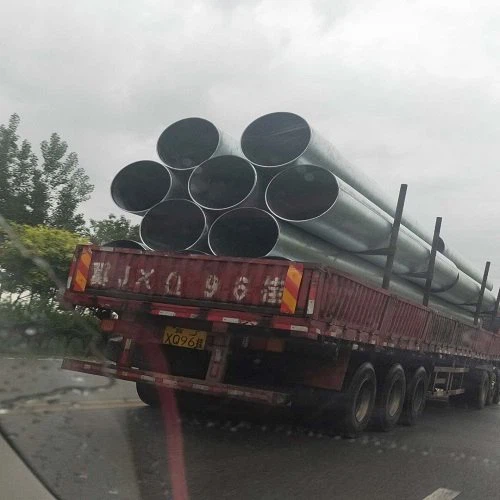
First off, what exactly is PE coating? PE stands for polyethylene. It's a widely - used plastic polymer known for its great chemical resistance, flexibility, and durability. You might be more familiar with it in packaging materials or industrial applications like the 3 Layer Polyethylene used for steel pipe anti - corrosion. The 3LPE Coating also falls into this category, which is a high - performance option in the anti - corrosion field. And the Hot Dip Spun Galvanized method provides an extra layer of protection for steel pipes along with PE coatings.
Now, let's shift our focus to the textile industry. The textile industry has always been on the lookout for new materials and technologies to enhance the performance of their products. PE coating does show some potential here.
One of the big advantages of using PE coating in textiles is water resistance. Textiles coated with PE can become waterproof. Think about outdoor clothing, like raincoats. A PE - coated fabric can effectively keep the rain out, making it perfect for those wet and windy days. It also has applications in tents and awnings. A tent with a PE - coated outer layer will be able to withstand heavy rain, ensuring a dry and comfortable space inside.
Another benefit is stain resistance. PE coating forms a protective barrier on the fabric surface. This barrier makes it difficult for stains to penetrate the fibers. So, if you spill something on a PE - coated textile, it's likely that you can just wipe it off easily, rather than having to go through a long and strenuous cleaning process.
PE - coated textiles are also quite durable. Polyethylene is a tough material, and when it's applied as a coating on textiles, it can significantly increase the fabric's lifespan. It can resist abrasion, which means that the fabric won't wear out easily, even with regular use. This is particularly useful for workwear. Workers in harsh environments, like construction sites or factories, need clothing that can stand up to rough treatment, and PE - coated textiles can do just that.
Moreover, PE coating can offer some level of chemical resistance. For industries where workers are exposed to various chemicals, such as the chemical manufacturing sector, PE - coated work clothing can provide an extra layer of protection. The coating can prevent chemicals from coming into direct contact with the skin through the fabric, reducing the risk of chemical burns and other related injuries.
However, it's not all sunshine and rainbows. There are also some challenges when using PE coating in the textile industry.
One of the main issues is breathability. Polyethylene is a plastic, and it's not very breathable by nature. When used as a coating on textiles, it can make the fabric feel stuffy and hot. This can be a major drawback, especially for clothing items that are worn for long periods. For example, if you're wearing a PE - coated jacket on a hike, you might start to feel very uncomfortable due to the lack of ventilation.
Another problem is the environmental impact. PE is a type of plastic, and like all plastics, it can have a negative impact on the environment. Traditionally, PE is not biodegradable, which means that if PE - coated textiles end up in landfills, they can take a long time to break down. This is a growing concern as the textile industry is becoming more and more focused on sustainability.
There's also the matter of cost. Applying PE coating to textiles can be an expensive process. It requires specialized equipment and materials, and these costs can be passed on to the end - consumer. This may make PE - coated textile products more expensive compared to non - coated alternatives, which could limit their market appeal in some cases.
Despite these challenges, there are some ways to mitigate the negative aspects. For the breathability issue, manufacturers are exploring hybrid coatings. They can combine PE with other breathable materials or use a perforated PE coating. The perforations can allow some air to circulate through the fabric, improving breathability while still maintaining some of the benefits of the PE coating.
In terms of the environmental impact, there are now some eco - friendly variants of polyethylene. Bio - based polyethylene, for example, is made from renewable resources such as sugarcane. Using bio - based PE as a coating on textiles can significantly reduce the environmental footprint.
As for the cost, as technology advances, the cost of applying PE coating is likely to come down. With increased competition in the market, suppliers are constantly looking for ways to make the coating process more efficient and cost - effective.

So, can PE coating be used in the textile industry? The answer is yes, but with caution. It has some great advantages in terms of water resistance, stain resistance, durability, and chemical resistance, but it also has challenges related to breathability, environmental impact, and cost.
If you're in the textile industry and you're looking to explore new options for enhancing the performance of your products, I'd say PE coating is definitely worth considering. It can open up new possibilities for your product line, whether it's in the outdoor clothing, workwear, or home textile sectors.
If you're interested in learning more about how our PE coating can be applied to your textile products or if you want to request samples, feel free to reach out. We're always happy to have in - depth discussions with businesses in the textile industry and find the best coating solutions for your specific needs.
References
- Wilson, C. (2020). Technical Textiles: Materials, Manufacturing, Applications. Elsevier.
- Rowe, R. K. (2019). Plastic Engineering 4th Edition. McGraw - Hill Education.