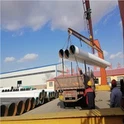
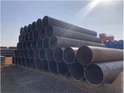
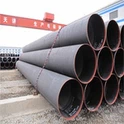
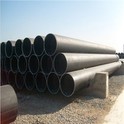
Hey there! As a supplier of LTCS (Low-Temperature Carbon Steel) Pipe, I've seen my fair share of issues with these pipes over the years. In this blog, I'm gonna talk about the common failures of LTCS Pipe and how we can solve 'em.
Common Failures of LTCS Pipe
Cracking
One of the most common problems with LTCS Pipe is cracking. Cracks can occur due to a variety of reasons, such as low-temperature brittleness, stress corrosion cracking (SCC), and fatigue cracking.
At low temperatures, LTCS can become brittle. When it's subjected to sudden stress, like during startup and shutdown processes in industrial plants, the material's ductility decreases, and cracks can form easily. SCC is another major cause. Pipes exposed to certain corrosive environments, combined with tensile stress, are at risk. For example, in areas with high humidity or when in contact with chemical solutions, the pipe's surface can start to crack gradually. Fatigue cracking happens when the pipe is subjected to repeated loading and unloading. This kind of stress can be a result of vibrations in machinery connected to the pipe or pressure fluctuations.
Corrosion
Corrosion is a huge headache for LTCS Pipe users. General corrosion can occur when the pipe is exposed to moisture and oxygen. This can lead to a gradual reduction in the pipe's wall thickness, weakening its structural integrity. Pitting corrosion is another form, where small holes form on the pipe surface. It's often caused by the presence of chloride ions in the environment. These tiny pits can rapidly penetrate the pipe wall, causing leaks.
Galvanic corrosion might also take place when LTCS Pipe is in contact with other metals. If the electrical potential between the two metals is different, an electrochemical reaction occurs, leading to corrosion of the LTCS Pipe.
Leakage
Leakage can be a direct result of cracking or corrosion. Once the pipe wall is compromised, whether by a crack or corrosion, fluids or gases flowing through the pipe can start to leak. Leakage not only causes loss of valuable resources but can also pose safety hazards, especially if the fluid is toxic or flammable.
Deformation
Deformation of LTCS Pipe can occur due to excessive external pressure or improper installation. If the pipe is not supported correctly during installation, it can sag over time. High external pressure, like from soil in underground installations or heavy equipment above, can also cause the pipe to deform. This deformation can restrict the flow of fluids inside the pipe and may even lead to blockages in severe cases.
Solutions to LTCS Pipe Failures
Cracking Solutions
To prevent low-temperature brittleness, we can choose the right grade of LTCS Pipe. Some grades are specifically designed to have better ductility at low temperatures. We can also perform pre - heating and post - heating treatments during welding. This helps to relieve the internal stress in the welded area and reduces the risk of cracking.
For SCC, we need to control the environment. This can involve using corrosion inhibitors in the fluid flowing through the pipe or coating the pipe with a protective layer. Regular inspections using non - destructive testing methods, like ultrasonic testing or magnetic particle testing, can help detect early signs of cracking so that we can take corrective action before it gets worse.
To deal with fatigue cracking, we can reduce the vibration sources. This might mean installing vibration dampeners on the machinery connected to the pipe. We can also optimize the pipe design to reduce stress concentrations. For example, using smooth bends instead of sharp corners in the pipe layout.
Corrosion Solutions
For general corrosion, applying a protective coating is a common solution. There are various types of coatings available, such as epoxy coatings or polyethylene coatings. These coatings act as a barrier between the pipe surface and the corrosive environment. Cathodic protection can also be used. This method involves connecting the LTCS Pipe to a sacrificial anode or using an impressed current system to make the pipe a cathode, thus preventing corrosion.
To prevent pitting corrosion, we need to control the chloride ion concentration in the environment. If the fluid contains chloride ions, we can use filtration or chemical treatment methods to reduce their levels. Regular cleaning and maintenance of the pipe can also help remove any deposits that might promote pitting corrosion.
In the case of galvanic corrosion, we can use insulating gaskets or coatings between the LTCS Pipe and other metals to break the electrical connection. We can also choose metals with similar electrical potentials when designing the piping system.
Leakage Solutions
If a leak is detected, the first step is to isolate the affected section of the pipe. This can be done by closing the relevant valves. Then, depending on the severity of the leak, we can either repair the crack or replace the damaged section of the pipe. For small cracks, welding repairs might be possible after proper pre - treatment. For more severe damage, replacement is often the best option.
Deformation Solutions
Proper installation is key to preventing deformation. We need to ensure that the pipe is supported at regular intervals and that the supports are strong enough to bear the weight of the pipe and the fluid inside. If deformation has already occurred, we can try to correct it using mechanical methods, such as using hydraulic jacks to straighten the pipe. However, in some cases, replacement of the deformed section might be necessary.
Our LTCS Pipe Offerings
As a supplier, we offer high - quality LTCS Pipe that meets various industry standards. Our pipes are made from top - notch materials and undergo strict quality control processes. We have ASTM A672 Steel Pipe, which is suitable for many applications where high - strength and low - temperature performance are required. Our EFW Pipes for High Pressure are designed to withstand high - pressure environments without cracking or deforming easily. And our High Pressure & Moderate Temp EFW Pipes are perfect for applications where both high pressure and moderate temperature conditions are present.
If you're facing issues with your current LTCS Pipe or are in the market for new ones, don't hesitate to reach out. We can provide you with detailed specifications, pricing, and technical support to help you make the right choice for your project. Whether you need a small quantity for a simple repair job or a large - scale supply for a new construction project, we've got you covered.
Conclusion
In conclusion, LTCS Pipe failures can be a real pain, but with the right knowledge and solutions, we can minimize these problems. By understanding the common causes of cracking, corrosion, leakage, and deformation, and implementing the appropriate preventive and corrective measures, we can ensure the long - term performance of LTCS Pipe systems. As a supplier, we're committed to providing you with the best products and support to keep your operations running smoothly. So, if you're interested in our LTCS Pipe products or have any questions, just get in touch, and we'll start the conversation!


References
- ASME Boiler and Pressure Vessel Code.
- NACE International standards for corrosion control.
- API standards for pipeline design and construction.