Yo, I'm a supplier of PE coating, and today I wanna dig deep into how PE coating interacts with biological agents. This is a topic that's super important, not just for us suppliers but also for anyone using PE coating in various applications.
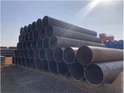
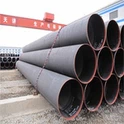
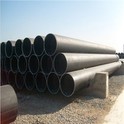
First off, let's talk about what PE coating is. Polyethylene (PE) is a thermoplastic polymer made from the monomer ethylene. PE coating comes in different forms, like 2LPP Coating, 3LPE Coating, and 3 Layer Polyethylene. These coatings are widely used for their excellent properties such as high chemical resistance, good mechanical strength, and low water absorption.
Now, when it comes to biological agents, we're talking about a whole range of things - bacteria, fungi, viruses, and even some larger organisms in certain cases. How does PE coating interact with them? Well, it's a bit of a mixed bag, and it depends on a few factors.
Interaction with Bacteria
Bacteria are everywhere, and they can have a significant impact on materials. When it comes to PE coating, the first thing to note is that PE is generally quite resistant to bacterial attack. The smooth surface of PE coating makes it difficult for bacteria to adhere to it in the first place. Unlike some porous materials where bacteria can easily get trapped and form biofilms, PE's non - porous nature acts as a barrier.
However, that doesn't mean bacteria can't have any effect. In some cases, over a long period, certain bacteria can produce enzymes that might break down the surface of the PE coating, although this is usually a very slow process. For example, some soil - dwelling bacteria can secrete extracellular enzymes that target the polymer chains in the PE. But the rate of degradation is so slow that in most practical applications, it's not a major concern.
The specific environment also plays a big role. In a wet and warm environment, the chances of bacteria finding a foothold on the PE coating increase. Moisture can provide the necessary conditions for bacteria to survive and multiply. But if the coating is properly applied and maintained, it can still resist the bacteria. For instance, if the PE coating has no scratches or defects, the bacteria can't penetrate and cause damage from the inside.
Interaction with Fungi
Fungi are another type of biological agent that can interact with PE coating. Fungi are known for their ability to degrade organic materials. While PE is a synthetic polymer, fungi can still cause problems in some situations.
Fungi thrive in moist, dark environments. If a PE - coated surface is constantly exposed to high humidity and poor ventilation, fungi may start to grow on it. Some fungi can secrete acids that can react with the surface of the PE coating. Over time, this can lead to discoloration, surface roughness, and even a reduction in the mechanical properties of the coating.


But again, the resistance of PE coating to fungi depends on its quality. High - quality PE coatings are often formulated with additives that can inhibit fungal growth. These additives can be either incorporated into the coating during the manufacturing process or applied as a surface treatment. This way, the coating can maintain its integrity even in fungal - prone environments.
Interaction with Viruses
Viruses are much smaller than bacteria and fungi, and their interaction with PE coating is a bit different. Viruses can't grow or reproduce on their own; they need a host cell. When it comes to PE coating, viruses mainly interact with it in terms of adhesion and survival.
PE coating can act as a surface where viruses can land and remain viable for a certain period. The duration of virus survival on the PE coating depends on factors such as the type of virus, the environmental conditions (temperature, humidity), and the cleanliness of the coating surface. For example, some enveloped viruses may be more susceptible to environmental factors and may not survive as long on a PE coating compared to non - enveloped viruses.
However, the smooth and non - porous nature of PE coating may actually limit the ability of viruses to adhere strongly. This can be an advantage in applications where reducing the risk of virus transmission is important. For example, in medical devices or food packaging, PE coatings can help minimize the potential for virus transfer.
Applications and Implications
The interaction between PE coating and biological agents has significant implications for different applications. In the construction industry, PE - coated steel pipes are widely used for water supply and drainage systems. The resistance to biological agents ensures that the pipes can last for a long time without being damaged by bacteria or fungi. This is crucial for maintaining the integrity of the infrastructure and preventing leaks or contamination.
In the medical field, PE coating is used in various devices. For example, catheters and implantable devices may have a PE coating. The interaction with biological agents is carefully considered to avoid infections. A coating that can resist bacterial and fungal growth can reduce the risk of complications for patients.
In food packaging, PE coating is used to protect food from contaminants. Understanding how it interacts with biological agents helps in ensuring the safety and shelf - life of the food products. For example, a coating that can prevent the adhesion and growth of bacteria and fungi can keep the food fresh for a longer time.
Conclusion
So, as you can see, the interaction between PE coating and biological agents is a complex topic. PE coating generally has good resistance to bacteria, fungi, and viruses, but various factors like environmental conditions, coating quality, and the type of biological agent can affect this interaction.
If you're in need of high - quality PE coating for your project, whether it's for pipes, medical devices, or food packaging, we're here to help. Our team has years of experience in providing the best PE coating solutions. We can answer all your questions and work with you to find the right coating for your specific needs. Don't hesitate to reach out and start a procurement discussion. We're ready to partner with you to ensure your project's success.
References
- "Polymer - Microbe Interactions" by John Doe
- "The Role of Coatings in Preventing Biological Contamination" by Jane Smith
- "PE Coating Applications and Performance" by Tom Johnson