Hey there! As a supplier of 3 Layer Polyethylene, I've seen firsthand the importance of its antifouling performance. In this blog, I'm gonna share some ways to enhance that performance and make our 3LPE even more awesome.
Understanding 3 Layer Polyethylene
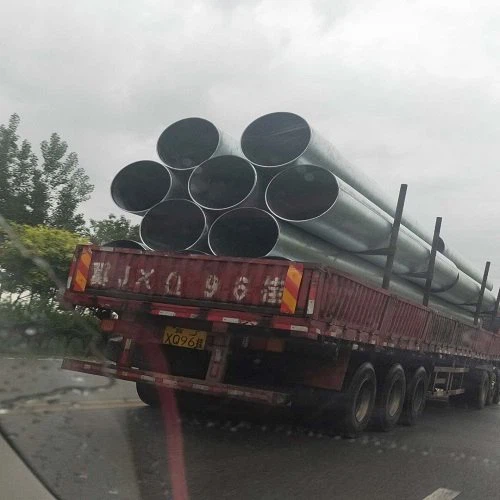
First off, let's quickly go over what 3 Layer Polyethylene is. It's a top - notch anti - corrosion coating for steel pipes, known as 3 Layer Polyethylene or 3LPE Coating. It consists of three layers: an epoxy primer, a copolymer adhesive, and a polyethylene topcoat. This combination provides excellent protection against corrosion and mechanical damage. But when it comes to antifouling, there's always room for improvement.
The Problem with Fouling
Fouling is a real headache. It happens when marine organisms like barnacles, algae, and mussels attach themselves to the surface of the 3LPE - coated pipes. This not only increases the weight of the pipes but also disrupts the flow of fluids inside them. Over time, it can lead to reduced efficiency, increased energy consumption, and even damage to the pipes. So, how can we stop these little critters from making our pipes their home?
Surface Modification
One way to enhance antifouling performance is through surface modification. By changing the surface properties of the 3LPE, we can make it less attractive to fouling organisms.
Nanostructuring
Nanostructuring the surface is a cool technique. Creating nano - scale features on the 3LPE surface can prevent organisms from attaching. These tiny structures disrupt the adhesion mechanisms of the fouling organisms. For example, some research has shown that surfaces with nano - pillars or ridges can reduce the settlement of barnacle larvae. It's like creating a bumpy road that the organisms can't easily grip onto.
Hydrophobicity
Making the 3LPE surface more hydrophobic, or water - repelling, can also help. Hydrophobic surfaces have a high contact angle with water. When water can't easily wet the surface, it's harder for fouling organisms to attach. We can achieve this by adding hydrophobic additives to the 3LPE during the manufacturing process. These additives create a thin layer on the surface that repels water and keeps the fouling organisms at bay.
Antifouling Coatings
Another approach is to apply additional antifouling coatings on top of the 3LPE.
Biocide - based Coatings
Biocide - based coatings release chemicals that are toxic to fouling organisms. Copper - based biocides are commonly used. They slowly leach out of the coating, killing or deterring the organisms. However, there are some concerns about the environmental impact of these biocides. They can potentially harm non - target organisms in the marine environment. So, we need to use them carefully and look for more environmentally friendly alternatives.
Non - biocide Coatings
Non - biocide coatings are a more sustainable option. These coatings work by creating a slippery surface that prevents organisms from attaching. Silicone - based coatings are a popular choice. They have a low surface energy, which makes it difficult for fouling organisms to adhere. Plus, they're less harmful to the environment compared to biocide - based coatings.
Incorporating Additives
Adding certain additives to the 3LPE can also improve its antifouling performance.
Self - polishing Additives
Self - polishing additives are great. They gradually erode over time, constantly exposing a fresh, clean surface. This prevents the build - up of fouling organisms. For example, some polymers can be used as self - polishing additives. As they wear away, they take the attached organisms with them.
Antifouling Agents
There are also specific antifouling agents that can be added to the 3LPE. These agents can interfere with the biological processes of the fouling organisms, preventing them from settling on the surface. Some natural compounds, like enzymes or plant extracts, are being explored as potential antifouling agents. They're often more environmentally friendly than traditional biocides.
Pretreatment of the Steel Surface
Before applying the 3LPE, proper pretreatment of the steel surface is crucial.
Hot Dip Spun Galvanized
A good pretreatment option is Hot Dip Spun Galvanized. This process creates a zinc - rich layer on the steel surface. The zinc acts as a sacrificial anode, protecting the steel from corrosion. A well - protected steel surface provides a better base for the 3LPE coating. It also helps to ensure that the 3LPE adheres properly, which in turn can improve the overall antifouling performance.
Maintenance and Monitoring
Enhancing antifouling performance isn't just about the initial application. Regular maintenance and monitoring are also essential.
Cleaning
Periodic cleaning of the 3LPE - coated pipes can remove any fouling that has already occurred. This can be done using mechanical methods like brushing or high - pressure water jetting. However, we need to be careful not to damage the 3LPE coating during the cleaning process.
Monitoring
Monitoring the condition of the 3LPE coating and the level of fouling is important. We can use techniques like underwater inspection or sensors to keep an eye on the pipes. By detecting fouling early, we can take action before it becomes a major problem.

Conclusion
So, there you have it. There are several ways to enhance the antifouling performance of 3 Layer Polyethylene. Whether it's through surface modification, applying antifouling coatings, incorporating additives, or proper pretreatment and maintenance, we have a range of tools at our disposal. As a 3LPE supplier, I'm committed to providing high - quality products with excellent antifouling performance.
If you're in the market for 3LPE - coated pipes or want to learn more about enhancing their antifouling properties, don't hesitate to reach out. Let's have a chat and see how we can work together to solve your antifouling problems.
References
- Callow, M. E., & Callow, J. A. (2002). Marine biofouling: a sticky problem. Biofouling, 19(S1), 9 - 15.
- Schultz, M. P., Swain, G. W., & Finlay, J. A. (2011). Antifouling technology - past, present and future steps towards efficient and environmentally friendly antifouling coatings. Biofouling, 27(9), 959 - 990.
- Wang, Y., & Wang, J. (2017). Recent progress in the development of marine antifouling coatings. Progress in Organic Coatings, 106, 107 - 124.