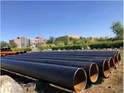
Hey there! I'm an EFW steel pipe supplier, and I've been in this industry for quite a while. One question that comes up a lot is how different fluids affect the corrosion of EFW steel pipes. Well, let's dive right in and explore this topic together.
First off, let's understand what EFW steel pipes are. Electric Fusion Welded (EFW) steel pipes are made by rolling steel plates and then welding the seams using electric current. They're widely used in various industries like oil and gas, construction, and water supply. But just like any other metal, they're prone to corrosion, especially when they come into contact with different fluids.
Water
Water is one of the most common fluids that EFW steel pipes encounter. The corrosion rate in water depends on several factors, such as the pH level, dissolved oxygen, and the presence of other contaminants.
-
pH Level: When the water is acidic (pH < 7), it can react with the iron in the steel pipe, causing it to corrode. For example, in areas with acid rain or industrial pollution, the water in pipes might have a lower pH, increasing the risk of corrosion. On the other hand, slightly alkaline water (pH between 7 and 9) can form a thin protective layer on the pipe surface, which slows down the corrosion process.
-
Dissolved Oxygen: Oxygen in water can react with iron to form iron oxide (rust). The more oxygen is dissolved in the water, the faster the corrosion rate. Stagnant water usually has a higher oxygen content near the surface, which can lead to localized corrosion.
-
Contaminants: Chlorides, sulfates, and other salts in water can also accelerate corrosion. Chlorides, in particular, can break down the protective oxide layer on the pipe surface, making it more vulnerable to corrosion.
Oil and Gas
In the oil and gas industry, EFW steel pipes are used to transport crude oil, natural gas, and other hydrocarbons. These fluids can also cause corrosion, but the mechanisms are a bit different.
- Acidic Components: Crude oil often contains acidic components like hydrogen sulfide (H2S) and carbon dioxide (CO2). When these gases dissolve in water present in the oil or gas, they form acids that can corrode the steel pipes. For example, H2S can react with iron to form iron sulfide, which is a porous and brittle compound that doesn't provide much protection against further corrosion.
- Water Content: Even a small amount of water in oil or gas can be a problem. Water can accumulate at the bottom of the pipes, creating a wet environment where corrosion can occur. Additionally, water can act as a medium for the transport of corrosive agents like acids and salts.
Chemicals
In chemical processing plants, EFW steel pipes are used to transport various chemicals. The corrosion rate depends on the type of chemical and its concentration.
- Strong Acids and Bases: Strong acids like hydrochloric acid (HCl) and sulfuric acid (H2SO4) can quickly corrode steel pipes. These acids can react with the iron in the steel, producing hydrogen gas and metal salts. Similarly, strong bases like sodium hydroxide (NaOH) can also cause corrosion, especially at high concentrations.
- Oxidizing Agents: Chemicals like chlorine and hydrogen peroxide are oxidizing agents. They can react with the iron in the steel, causing it to corrode. However, in some cases, a thin oxide layer can form on the pipe surface, which can provide some protection against further corrosion.
How to Mitigate Corrosion
Now that we know how different fluids can affect the corrosion of EFW steel pipes, let's talk about some ways to mitigate it.


- Coating: Applying a protective coating on the pipe surface is one of the most common ways to prevent corrosion. There are various types of coatings available, such as epoxy coatings, polyethylene coatings, and zinc coatings. These coatings act as a barrier between the pipe and the fluid, preventing direct contact and reducing the risk of corrosion.
- Cathodic Protection: This method involves connecting the steel pipe to a sacrificial anode or an external power source. The sacrificial anode, usually made of a more reactive metal like zinc or magnesium, corrodes instead of the steel pipe. In the case of an external power source, a small electric current is applied to the pipe, which reduces the corrosion rate.
- Monitoring and Maintenance: Regular monitoring of the pipe's condition is essential to detect corrosion early. This can be done using techniques like ultrasonic testing, magnetic particle testing, and visual inspection. If corrosion is detected, appropriate maintenance measures can be taken, such as repairing or replacing the affected parts of the pipe.
Conclusion
In conclusion, different fluids can have a significant impact on the corrosion of EFW steel pipes. Water, oil and gas, and chemicals all have their own unique ways of causing corrosion. However, by understanding these mechanisms and implementing appropriate mitigation measures, we can extend the lifespan of the pipes and ensure their safe and efficient operation.
If you're in the market for high-quality EFW steel pipes, we've got you covered. We offer a wide range of products, including LTCS Pipe, EFW Pipes for High Pressure, and ASTM A691 EFW Pipe. Our pipes are made using the latest technology and strict quality control measures to ensure their durability and performance.
If you're interested in learning more or making a purchase, feel free to reach out to us. We're always happy to discuss your specific requirements and provide you with the best solutions.
References
- Fontana, M. G. (1986). Corrosion Engineering. McGraw-Hill.
- Uhlig, H. H., & Revie, R. W. (1985). Corrosion and Corrosion Control. Wiley.
- Schweitzer, P. A. (1998). Corrosion Resistance Tables. Marcel Dekker.