Hey there! As a supplier of Euro Underground Piles, I've seen my fair share of issues when it comes to pile installation. One of the most common headaches is the deviation of these piles during the installation process. It can mess up the whole project, cause delays, and even lead to safety concerns. So, in this blog, I'm gonna share some tips on how to prevent the deviation of Euro Underground Piles during installation.
Understanding the Causes of Deviation
Before we jump into the prevention methods, it's important to know what causes pile deviation in the first place. There are several factors that can contribute to this problem.
Soil Conditions
The soil type and its properties play a huge role. If the soil is uneven, with different layers of varying densities, it can cause the pile to deviate. For example, if a pile hits a hard layer of rock or a soft pocket of soil during installation, it might change its direction. Loose or sandy soils can also make it difficult to keep the pile in a straight line as they offer less resistance.
Equipment and Installation Techniques
The equipment used for pile installation can have a big impact. If the pile driving rig is not properly calibrated or leveled, it can cause the pile to go in the wrong direction. Also, the way the pile is driven or installed matters. For instance, if the hammer strikes the pile off - center, it can lead to deviation. Incorrect use of vibration equipment during installation can also cause the pile to move sideways.
Pile Design and Quality
The design of the pile itself can be a factor. If the pile is not straight or has an irregular shape, it's more likely to deviate during installation. Also, the quality of the materials used in the pile can affect its performance. For example, if we're using ASTM A252 Grade 3 Mild Steel Pipe Piles and they have manufacturing defects, it can lead to problems during installation.
Prevention Methods
Site Investigation
A thorough site investigation is the first step in preventing pile deviation. Before starting the installation, we need to know the soil conditions at the site. This can be done through soil testing, borehole sampling, and geophysical surveys. By understanding the soil profile, we can plan the pile installation more effectively. For example, if we know there are hard rock layers at a certain depth, we can adjust the pile design or installation method accordingly.
Equipment Preparation and Calibration
Proper preparation and calibration of the installation equipment are crucial. The pile driving rig should be set up on a stable and level surface. Before starting the installation, we need to check the alignment of the rig and make sure it's perpendicular to the ground. The hammer or vibration equipment should also be in good working condition and calibrated correctly. This will ensure that the pile is driven or installed in a straight line.
Pile Handling and Placement
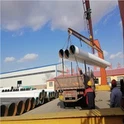
When handling the piles, we need to be careful to keep them straight. Piles should be stored and transported in a way that prevents them from getting bent or damaged. During placement, we should use a guide system to ensure that the pile is in the correct position. This can be a simple frame or a more advanced laser - guided system. The guide system will help keep the pile vertical and in the right alignment during the initial stages of installation.
Installation Monitoring
Continuous monitoring during the installation process is essential. We can use inclinometers or other monitoring devices to measure the angle of the pile as it's being installed. If we notice any deviation, we can take corrective action immediately. For example, if the pile starts to lean to one side, we can adjust the hammer strikes or the vibration frequency to bring it back into alignment.
Use of Quality Piles
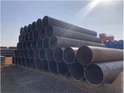
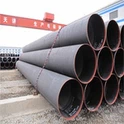
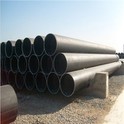
Using high - quality piles is a no - brainer. We should source our piles from reliable manufacturers. For Euro Underground Piles, we often use EN 10219 Structure Pipe and CE Piling Pipe which meet the necessary standards. These piles are designed and manufactured to be straight and strong, reducing the risk of deviation during installation.
Case Studies
Let me share a couple of case studies to illustrate the importance of these prevention methods.
In one project, we were installing piles at a site with a mix of clay and sandy soils. Without a proper site investigation, we initially faced problems with pile deviation. After conducting a detailed soil test, we found that there were soft pockets of sand at certain depths. We adjusted the pile design by increasing the wall thickness of the piles and used a more powerful hammer for installation. We also monitored the installation closely using inclinometers. As a result, we were able to reduce the deviation rate significantly and complete the project on time.


In another project, we used a new pile driving rig that was not properly calibrated. The piles started to deviate right from the beginning. We quickly stopped the installation, recalibrated the rig, and used a guide system to correct the alignment. After that, the installation went smoothly, and we didn't face any further deviation issues.
Conclusion
Preventing the deviation of Euro Underground Piles during installation is all about being prepared and taking the right steps. By conducting a thorough site investigation, preparing and calibrating the equipment, handling and placing the piles correctly, monitoring the installation, and using high - quality piles, we can minimize the risk of deviation.
If you're planning a project that involves Euro Underground Piles and want to avoid the hassle of pile deviation, we're here to help. We're a trusted supplier of ASTM A252 Grade 3 Mild Steel Pipe Piles, EN 10219 Structure Pipe, and CE Piling Pipe. We can provide you with high - quality piles and expert advice on installation. Contact us to start a discussion about your project and let's work together to make it a success!
References
- "Foundation Design and Construction" by Bowles, Joseph E.
- "Soil Mechanics and Foundation Engineering" by S. K. Garg.
- Industry standards and guidelines for pile installation and design.