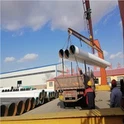
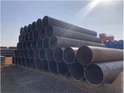
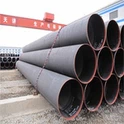
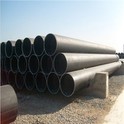
As a supplier of ASTM A252 Grade 2 products, I understand the importance of maintaining the quality and integrity of these materials. ASTM A252 Grade 2 is commonly used in piling applications, especially in bridge building and other structural projects. Keeping the surfaces of these materials clean is crucial for ensuring their performance and longevity. In this blog, I will share some effective methods on how to clean ASTM A252 Grade 2 surfaces.
Understanding ASTM A252 Grade 2
Before delving into the cleaning methods, it's essential to have a basic understanding of ASTM A252 Grade 2. ASTM A252 is a standard specification for welded and seamless steel pipe piles. Grade 2 offers a balance of strength and ductility, making it a popular choice for various construction projects. The material is typically used in marine and civil engineering applications, where it is exposed to harsh environmental conditions such as moisture, saltwater, and dirt.


Common Contaminants on ASTM A252 Grade 2 Surfaces
The surfaces of ASTM A252 Grade 2 can be contaminated by various substances, including:
- Rust and Corrosion: Exposure to moisture and oxygen can cause rust to form on the steel surface. Rust not only affects the appearance of the material but also weakens its structural integrity over time.
- Dirt and Debris: Construction sites are often dusty environments, and dirt and debris can accumulate on the pipe surfaces. This can also include mud, sand, and other particles that can scratch the surface and provide a breeding ground for corrosion.
- Oil and Grease: During the manufacturing, handling, and installation processes, the surfaces may come into contact with oil and grease. These substances can attract dirt and make the surface more difficult to clean.
- Paint and Coatings: Sometimes, old or damaged paint and coatings may need to be removed from the surface to prepare it for re - coating or inspection.
Cleaning Methods
Manual Cleaning
- Brushing: For light dirt and debris, a wire brush can be an effective tool. Use a stiff - bristled wire brush to scrub the surface in a back - and - forth motion. This method is suitable for small areas and can help remove loose rust, dirt, and paint chips. However, be careful not to scratch the surface too deeply, as this can create areas where corrosion can start more easily.
- Scraping: A putty knife or a similar scraping tool can be used to remove larger pieces of paint, rust, or debris. Hold the tool at a low angle to the surface and gently scrape away the contaminants. This method is useful for removing thick layers of paint or stubborn rust.
Chemical Cleaning
- Solvents: Solvents can be used to remove oil, grease, and some types of paint. Common solvents include acetone, mineral spirits, and paint thinners. Apply the solvent to a clean cloth or sponge and gently rub the surface. Make sure to work in a well - ventilated area, as solvents can be flammable and toxic. After cleaning, rinse the surface thoroughly with water to remove any remaining solvent.
- Rust Removers: There are many commercial rust removers available on the market. These products typically contain acids or other chemicals that react with rust to dissolve it. Follow the manufacturer's instructions carefully when using rust removers. Apply the product to the rusted area, let it sit for the recommended time, and then rinse it off with water. Some rust removers may require neutralization with a baking soda solution to prevent further corrosion.
Mechanical Cleaning
- Sandblasting: Sandblasting is a more aggressive method of cleaning that uses compressed air to propel sand or other abrasive materials at high speed onto the surface. This method can quickly remove rust, paint, and other contaminants. However, it requires specialized equipment and trained operators. Sandblasting can also be noisy and generate a lot of dust, so proper safety precautions, such as wearing protective gear and using dust - collection systems, are necessary.
- Shot Blasting: Similar to sandblasting, shot blasting uses small metal shots instead of sand. Shot blasting is often more effective for cleaning large areas and can provide a more uniform finish. It is also less likely to cause damage to the surface compared to sandblasting.
Cleaning for Different Situations
Newly Manufactured ASTM A252 Grade 2
Newly manufactured pipes may have a protective coating or oil on the surface. Before using the pipes, it is important to clean them to ensure proper adhesion of any additional coatings or to remove any manufacturing residues. A simple solvent cleaning followed by a rinse with water can be sufficient in most cases.
Pipes in Service
For pipes that have been in service for some time, especially in harsh environments, a more thorough cleaning is usually required. Start with a manual inspection to identify the type and extent of contamination. If there is significant rust, chemical or mechanical cleaning methods may be necessary. After cleaning, it is advisable to apply a new protective coating to prevent future corrosion.
Pipes for Re - use
When re - using ASTM A252 Grade 2 pipes, it is essential to clean them to remove any existing coatings, rust, or dirt. This ensures that the pipes can be properly inspected for damage and that new coatings can be applied effectively. A combination of scraping, sandblasting, and chemical cleaning may be needed depending on the condition of the pipes.
Importance of Surface Cleaning
Cleaning the surfaces of ASTM A252 Grade 2 is not just about aesthetics. It has several important benefits:
- Corrosion Prevention: By removing rust and other contaminants, the surface is less likely to corrode. Corrosion can weaken the pipe over time, leading to structural failures.
- Coating Adhesion: A clean surface is essential for the proper adhesion of paint, coatings, or other protective treatments. If the surface is dirty or rusty, the coating may not bond correctly, reducing its effectiveness.
- Inspection: Clean surfaces make it easier to inspect the pipes for cracks, defects, or other damage. This is crucial for ensuring the safety and reliability of the structures in which the pipes are used.
Conclusion
Properly cleaning ASTM A252 Grade 2 surfaces is an important step in maintaining the quality and performance of these materials. Whether you are dealing with newly manufactured pipes, pipes in service, or pipes for re - use, choosing the right cleaning method is crucial. As a supplier of ASTM A252 Grade 2 Piling Pipe, I am committed to providing high - quality products and sharing knowledge on how to best care for them.
If you are involved in projects such as Bridge Building Structure Pipe and Pile or need ASTM A252 Grade 3 Mild Steel Pipe Piles, and have any questions about cleaning or using our ASTM A252 Grade 2 products, feel free to reach out to us for more information. We are always ready to assist you in your procurement and ensure that you get the best - suited products for your needs.
References
- ASTM International. ASTM A252/A252M - 19 Standard Specification for Welded and Seamless Steel Pipe Piles.
- American Galvanizers Association. Guide to Hot - Dip Galvanizing.
- National Association of Corrosion Engineers (NACE). Corrosion Prevention and Control Manual.