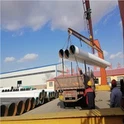
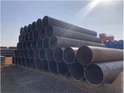
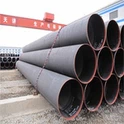
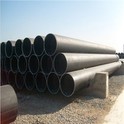
Hey there! As a supplier of Undergroud Pile click here to check out our Undergroud Pile, I've seen firsthand how important it is to keep workers safe during underground pile construction. It's a high - risk job, but with the right precautions, we can minimize those risks and ensure everyone goes home in one piece. So, let's dive into some key ways to guarantee worker safety in this field.
Pre - construction Planning
First things first, proper planning is the backbone of any safe construction project. Before we even start driving those piles into the ground, we need to conduct a thorough site investigation. This means checking out the soil conditions, groundwater levels, and any existing underground utilities. You don't want to accidentally hit a gas line or something while you're working. It could be a disaster!
We also need to create a detailed safety plan. This plan should outline all the potential hazards on the site and the steps we'll take to mitigate them. For example, if there's a risk of cave - ins, we'll need to have shoring systems in place. And it's not just about the physical hazards. We also need to think about the human element. Make sure all workers are properly trained and know what to do in case of an emergency.
Worker Training
Training is crucial. You can't just throw someone onto a construction site and expect them to know how to handle heavy machinery and deal with all the risks. All workers involved in underground pile construction should receive comprehensive training.
This includes training on how to operate the pile - driving equipment safely. They need to know how to start, stop, and control the machines properly. For instance, if they're using a hydraulic pile driver, they should understand the pressure settings and how to handle any malfunctions.
Workers also need training on personal protective equipment (PPE). PPE is not an option; it's a must. Hard hats, safety glasses, steel - toed boots, and high - visibility vests should be worn at all times. And they should know how to use other specialized equipment like respirators if they're working in an area with poor air quality.
Equipment Inspection and Maintenance
The equipment we use in underground pile construction is expensive and powerful. If it's not in good working condition, it can be extremely dangerous. That's why regular equipment inspection and maintenance are so important.
Before each use, the pile - driving equipment should be inspected. Check for any signs of wear and tear, loose parts, or leaks. For example, if the cables on a pile hammer are frayed, they could snap during operation, causing serious injury.
We also need to have a regular maintenance schedule. This means servicing the equipment at the recommended intervals. Changing the oil, greasing the moving parts, and replacing worn - out components are all part of keeping the equipment in top shape. And don't forget to keep records of all inspections and maintenance. It's not just for compliance; it can also help us identify any recurring problems.
Hazard Identification and Control
There are many hazards associated with underground pile construction. One of the most obvious is the risk of falling objects. When we're driving piles, there's always a chance that something could come loose and fall. That's why we need to have barriers and nets in place to catch any falling debris.
Another hazard is the noise. Pile - driving is a noisy job, and prolonged exposure to high - level noise can cause hearing loss. Workers should wear ear protection, and we should also try to use quieter equipment whenever possible.
We also need to be aware of the risk of electrocution. If there are power lines near the construction site, we need to make sure the equipment is kept at a safe distance. And all electrical equipment should be properly grounded.
Communication
Good communication is essential on a construction site. Workers need to be able to communicate with each other and with the supervisors. We should use clear and simple signals, especially when operating heavy machinery. For example, if a worker is guiding a pile driver, they need to be able to signal to the operator when to start and stop.
We should also have a communication system in place for emergencies. This could be a two - way radio or a mobile phone network. And everyone should know how to use it. In case of an accident or an emergency, quick communication can save lives.
Monitoring and Supervision
Someone needs to be keeping an eye on the workers and the construction process at all times. Supervisors should be on site to make sure everyone is following the safety rules. They can spot any potential problems early and take action to prevent accidents.
We can also use monitoring systems. For example, we can use sensors to monitor the stability of the ground around the piles. If there are any signs of movement or instability, we can take immediate action to prevent a cave - in.
Use of Quality Materials
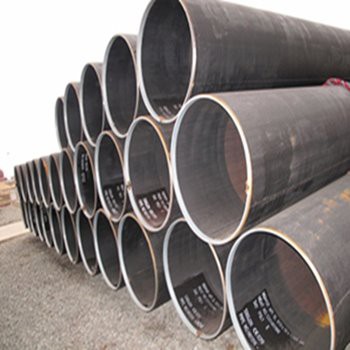
Using high - quality materials is not just about the strength and durability of the piles. It's also about safety. For example, if we're using steel pipes for piles, we should use materials that meet the industry standards. Check out our ASTM A252 Grade 3 Mild Steel Pipe Piles. These pipes are made to be strong and reliable, which reduces the risk of the piles failing during construction.
Similarly, if we're working on an offshore platform and using pipes for the structure, we need to use the right kind of pipes. Our Jacket Offshore Platform Structure Pipe is designed to withstand the harsh marine environment and provide a stable foundation.
Emergency Preparedness
No matter how careful we are, accidents can still happen. That's why we need to be prepared for emergencies. We should have an emergency response plan in place. This plan should include procedures for dealing with fires, explosions, cave - ins, and other potential emergencies.
There should also be first - aid kits on site, and some workers should be trained in first - aid. In case of an injury, they can provide immediate treatment until the ambulance arrives. And we should have a way to evacuate the site quickly if necessary.

Conclusion
Ensuring the safety of workers during underground pile construction is a complex but achievable goal. It requires careful planning, proper training, regular equipment maintenance, and a strong safety culture. By following these steps, we can reduce the risk of accidents and create a safer work environment.
If you're in the market for high - quality Undergroud Pile or related products, feel free to reach out for a purchase negotiation. We're here to provide you with the best solutions for your construction needs.
References
- Construction Safety Handbook, various editions
- Occupational Safety and Health Administration (OSHA) guidelines on construction safety
- Industry standards for pile - driving equipment and materials