


Ensuring the uniformity of Euro Underground Pile concrete is a critical aspect of construction projects, as it directly impacts the structural integrity and durability of the piles. As a Euro Underground Pile supplier, I understand the significance of this issue and have accumulated a wealth of experience in guaranteeing high - quality, uniform concrete in underground piles. In this blog, I will share some key strategies and practices to achieve this goal.
1. Raw Material Selection
The quality and consistency of raw materials are the foundation for uniform concrete in Euro Underground Piles.
Cement
Cement is the binding agent in concrete, and its quality has a profound impact on the final product. We always choose high - grade cement that meets the relevant European standards. Different types of cement, such as Portland cement, may have different setting times and strength development characteristics. By carefully selecting the appropriate cement type and ensuring its consistent quality from batch to batch, we can start building a solid base for uniform concrete. For example, using cement with a stable chemical composition helps to maintain consistent hydration reactions, which are crucial for achieving uniform strength throughout the pile.
Aggregates
Aggregates, including coarse and fine aggregates, make up a large proportion of the concrete volume. The size, shape, and gradation of aggregates need to be strictly controlled. Well - graded aggregates ensure a dense packing structure in the concrete, reducing the voids and improving the uniformity of the mixture. We source aggregates from reliable suppliers and conduct regular quality inspections. For instance, the maximum size of coarse aggregates should be carefully chosen based on the pile diameter and reinforcement spacing. Aggregates with a smooth surface and proper shape can also enhance the workability of the concrete, facilitating its uniform placement in the pile.

Water
The quality and quantity of water used in concrete mixing are equally important. Water should be clean and free from impurities such as salts, oils, and organic matter, which can affect the setting and hardening of the concrete. The water - cement ratio is a key parameter that determines the strength and workability of the concrete. A consistent water - cement ratio must be maintained during the mixing process to ensure uniform properties of the concrete. We use water from approved sources and accurately measure the amount of water added to each batch of concrete.
2. Mix Design
A well - designed concrete mix is essential for achieving uniform Euro Underground Pile concrete.
Proportioning
The proportion of cement, aggregates, water, and admixtures in the concrete mix needs to be carefully determined. This is typically done through laboratory testing and trial mixes. By adjusting the proportions, we can optimize the workability, strength, and durability of the concrete. For example, adding an appropriate amount of admixtures such as plasticizers or superplasticizers can improve the workability of the concrete without increasing the water - cement ratio, which helps to maintain the strength and uniformity of the pile.
Admixtures
Admixtures are substances added to the concrete in small quantities to modify its properties. They can be used to control the setting time, improve workability, enhance durability, or reduce the heat of hydration. When using admixtures, it is crucial to follow the manufacturer's instructions and ensure their proper dispersion in the concrete. For instance, retarders can be used to extend the setting time of the concrete, which is beneficial for large - diameter piles or in hot weather conditions, allowing more time for uniform placement.
3. Mixing Process
The mixing process plays a vital role in ensuring the uniformity of the concrete.
Mixing Equipment
We use high - quality mixing equipment that is capable of thoroughly blending all the ingredients. The mixer should have sufficient capacity and mixing efficiency to ensure that the concrete is homogeneous. Continuous mixers or batch mixers can be used depending on the project requirements. Regular maintenance and calibration of the mixing equipment are necessary to ensure its proper operation. For example, the blades of the mixer should be in good condition to prevent uneven mixing.
Mixing Time
The mixing time is a critical factor in achieving uniform concrete. Insufficient mixing time may result in an uneven distribution of the ingredients, while over - mixing can cause segregation of the aggregates. We follow the recommended mixing time based on the type of mixer and the concrete mix design. During the mixing process, we also monitor the consistency of the concrete to ensure that it meets the specified requirements.
4. Placement and Compaction
Proper placement and compaction of the concrete in the Euro Underground Pile are crucial for its uniformity.
Placement Method
The concrete should be placed in the pile in a continuous and uniform manner. We use appropriate placement methods such as tremie pipes or pump trucks, depending on the pile depth and location. When using tremie pipes, the pipe should be kept submerged in the concrete to prevent the entry of air or water, which can cause voids in the pile. The rate of concrete placement should also be controlled to avoid segregation. For example, in deep piles, slow and steady placement can help to ensure that the concrete settles evenly.
Compaction
Compaction is necessary to remove air voids from the concrete and ensure its full contact with the reinforcement and the surrounding soil. We use vibration equipment such as internal vibrators to compact the concrete. The vibrators should be inserted at regular intervals and for an appropriate duration to ensure uniform compaction. However, over - vibration can also lead to segregation of the aggregates, so the vibration process needs to be carefully controlled.
5. Quality Control and Testing
Continuous quality control and testing are essential to ensure the uniformity of Euro Underground Pile concrete.
In - process Inspection
During the concrete production and placement process, we conduct in - process inspections to monitor the quality of the raw materials, the mixing process, and the placement and compaction operations. This includes checking the water - cement ratio, the slump of the concrete, and the compaction degree. Any deviations from the specified requirements can be corrected immediately to ensure the uniformity of the concrete.
Testing
We perform various tests on the concrete samples taken from the piles, such as compressive strength tests, slump tests, and air content tests. These tests are carried out at different ages of the concrete to monitor its strength development and other properties. By analyzing the test results, we can evaluate the uniformity of the concrete and make necessary adjustments to the production process if needed.
6. Use of High - Quality Materials and Standards
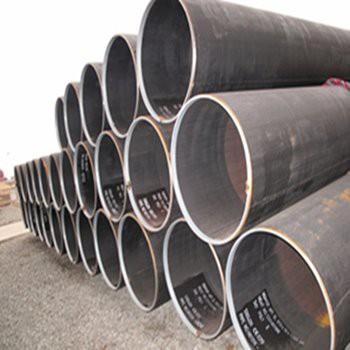
As a Euro Underground Pile supplier, we always adhere to the relevant European standards and specifications. We use materials such as Undergroud Pile and LSAW Pipes that meet the strict quality requirements. For example, EN10219 S355J0H is a high - quality steel standard that we often use in our products. By using such high - quality materials, we can enhance the overall quality and uniformity of the Euro Underground Piles.
In conclusion, ensuring the uniformity of Euro Underground Pile concrete requires a comprehensive approach that covers raw material selection, mix design, mixing process, placement and compaction, and quality control. As a reliable Euro Underground Pile supplier, we are committed to providing high - quality products by implementing these best practices. If you are interested in our Euro Underground Piles or have any questions about ensuring the uniformity of concrete in piles, please feel free to contact us for further discussions and procurement negotiations. We look forward to working with you on your construction projects.
References
- Neville, A. M. (1995). Properties of Concrete. Pearson Education.
- ACI Committee 211. (2014). Standard Practice for Selecting Proportions for Normal, Heavyweight, and Mass Concrete. American Concrete Institute.
- EN 206:2013+A1:2016. Concrete - Specification, performance, production and conformity. European Committee for Standardization.


