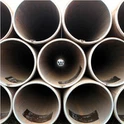
Hey there! I'm a supplier of ASTM A252 Grade 2 pipes. If you're in the market for these pipes, you're probably aware that corrosion can be a real headache. But don't worry, I've got some tips on how to prevent corrosion of ASTM A252 Grade 2 pipes.
First off, let's understand what ASTM A252 Grade 2 is. It's a type of steel pipe commonly used in the construction of piles for marine and other structures. These pipes are exposed to harsh environments, especially in marine settings where they're constantly in contact with water, salt, and other corrosive elements.


Understanding the Corrosion Process
Before we dive into prevention methods, it's important to know how corrosion works. Corrosion is basically a chemical reaction between the metal in the pipe and its environment. In the case of ASTM A252 Grade 2 pipes, when they come into contact with oxygen and water, an electrochemical reaction occurs. This reaction leads to the formation of iron oxide, which we commonly know as rust. Over time, rust can weaken the pipe, reducing its structural integrity and eventually leading to failure.
Coating and Painting
One of the most effective ways to prevent corrosion is by applying a protective coating or paint to the pipes. There are several types of coatings available, each with its own advantages.
Epoxy Coatings
Epoxy coatings are a popular choice. They form a tough, durable barrier between the pipe and the environment. Epoxy can resist abrasion, chemicals, and moisture, making it ideal for pipes that are exposed to harsh conditions. When applying epoxy coatings, it's crucial to prepare the surface of the pipe properly. This usually involves cleaning the pipe to remove any dirt, rust, or oil. Once the surface is clean, the epoxy can be applied using a spray gun or a brush.
Zinc Coatings
Zinc coatings, also known as galvanizing, are another great option. Zinc has a higher electrochemical potential than iron, which means it corrodes preferentially. In other words, when a zinc-coated pipe is exposed to a corrosive environment, the zinc will corrode first, protecting the underlying steel. There are two main types of galvanizing: hot-dip galvanizing and electro-galvanizing. Hot-dip galvanizing involves dipping the pipe into a bath of molten zinc, while electro-galvanizing uses an electric current to deposit a layer of zinc onto the pipe.
Painting
Regular painting can also provide a good level of protection. There are special paints formulated for use on steel pipes that contain anti-corrosive pigments. These pigments work by inhibiting the electrochemical reaction that causes corrosion. When painting ASTM A252 Grade 2 pipes, make sure to apply multiple coats for maximum protection.
Cathodic Protection
Cathodic protection is a technique that uses an external electrical current to prevent corrosion. There are two main types of cathodic protection: sacrificial anode protection and impressed current protection.
Sacrificial Anode Protection
In sacrificial anode protection, a more reactive metal, such as magnesium or zinc, is connected to the ASTM A252 Grade 2 pipe. The more reactive metal acts as an anode and corrodes instead of the pipe. As the anode corrodes, it releases electrons, which flow to the pipe, preventing the pipe from corroding. Sacrificial anodes need to be replaced periodically as they corrode away.
Impressed Current Protection
Impressed current protection uses an external power source, such as a battery or a rectifier, to supply a direct electrical current to the pipe. The current counteracts the natural electrochemical reaction that causes corrosion. This method is more suitable for large structures or pipes that are buried in the ground or submerged in water.
Proper Installation and Maintenance
Proper installation and maintenance are also key to preventing corrosion.
Installation
During installation, make sure to avoid any damage to the protective coatings or paint on the pipes. If the coating is damaged, it can expose the steel to the environment, increasing the risk of corrosion. Also, ensure that the pipes are installed in a way that allows for proper drainage. Standing water can accelerate the corrosion process.
Maintenance
Regular maintenance is essential. Inspect the pipes periodically for any signs of corrosion, such as rust spots or flaking paint. If you notice any damage, repair it immediately. This may involve reapplying the coating or paint, or replacing a damaged section of the pipe.
Environmental Considerations
The environment in which the ASTM A252 Grade 2 pipes are installed can have a significant impact on their corrosion rate.
Marine Environments
In marine environments, the high salt content in the water can accelerate corrosion. To combat this, use pipes with a thicker wall thickness and apply a more robust coating. Also, consider using cathodic protection, as it can be very effective in marine settings.
Industrial Environments
In industrial environments, pipes may be exposed to chemicals and pollutants. Make sure to choose a coating that is resistant to the specific chemicals present in the environment.
Using High - Quality Materials
As a supplier, I always emphasize the importance of using high - quality ASTM A252 Grade 2 pipes. High - quality pipes are made from better - quality steel, which is more resistant to corrosion. They also undergo more rigorous quality control during the manufacturing process, ensuring that they meet the required standards.
Conclusion
Preventing corrosion of ASTM A252 Grade 2 pipes is crucial for ensuring their long - term performance and safety. By using a combination of coating and painting, cathodic protection, proper installation and maintenance, and considering the environmental factors, you can significantly reduce the risk of corrosion.
If you're interested in purchasing ASTM A252 Grade 2 pipes, or if you have any questions about corrosion prevention, feel free to reach out for a chat. We can discuss the best solutions for your specific needs. You might also be interested in our other products like C350 L0 AS1163 Australia Structure Pipe, LSAW Welded Pipe, and Euro Underground Pile.
References
- Fontana, M. G. (1986). Corrosion Engineering. McGraw - Hill.
- Uhlig, H. H., & Revie, R. W. (1985). Corrosion and Corrosion Control. Wiley - Interscience.