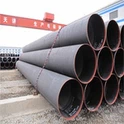
Yo! I'm an underground pile supplier, and I've been in this game for quite a while. Underground piles are super important in construction projects. They provide the foundation that holds up buildings, bridges, and all sorts of structures. But how do we make sure these piles are up to the mark? Well, that's where inspection methods come in. In this blog, I'm gonna walk you through some of the key inspection methods for underground piles.
Visual Inspection
Let's start with the most basic one - visual inspection. It might sound simple, but it's actually a crucial first step. When I'm on a job site, I always take a good look at the piles before and after installation. Before installation, I check for any visible cracks, dents, or other surface defects on the pile itself. You'd be surprised how often a small crack can lead to big problems down the line.
After the pile is installed, I look at how it's sitting in the ground. Is it straight? Are there any signs of tilting or settlement? Sometimes, just a quick visual check can reveal if there are any immediate issues. For example, if I see that a pile is leaning to one side, it could mean that the soil conditions are uneven or that there was a problem during the installation process.
Non - Destructive Testing (NDT)
Non - destructive testing is a group of inspection methods that don't damage the pile while checking its integrity. One of the most common NDT methods is ultrasonic testing. This involves sending high - frequency sound waves through the pile. If there are any internal flaws, like voids or cracks, the sound waves will bounce back differently than they would in a healthy pile.
Another popular NDT method is the cross - hole sonic logging (CSL). In CSL, tubes are installed inside the pile during construction. Then, ultrasonic transducers are lowered into these tubes, and the sound waves are transmitted between them. By analyzing the time it takes for the sound waves to travel and the amplitude of the signals, we can get a detailed picture of the pile's internal structure.
I've used these NDT methods many times, and they've really helped me catch problems early on. For instance, once we were working on a project where the piles seemed fine visually, but ultrasonic testing showed some internal cracks. We were able to address the issue before it caused any major problems.
Load Testing
Load testing is all about finding out how much weight a pile can handle. There are two main types of load tests: static load testing and dynamic load testing.
Static load testing is the more traditional method. In this test, a large load is gradually applied to the pile, and the settlement of the pile is measured. This gives us an idea of how the pile will perform under real - world conditions. It's a very accurate way to determine the pile's capacity, but it can be time - consuming and expensive.
Dynamic load testing, on the other hand, is quicker and more cost - effective. It involves hitting the pile with a heavy hammer and measuring the response of the pile using sensors. By analyzing the data from these sensors, we can estimate the pile's capacity.
I remember a project where we did both static and dynamic load tests on the piles. The dynamic load test gave us a quick initial assessment, and then the static load test confirmed the results. This combination of tests helped us ensure that the piles could support the planned structure.
Use of High - Quality Materials
When it comes to underground piles, using high - quality materials is essential. At our company, we often supply EN10219 S355J0H Structural Pipe. This type of pipe is known for its excellent strength and durability, which makes it a great choice for underground piles.
We also offer Euro Underground Pile, which is designed to meet the high standards of European construction projects. And for high - rise buildings, our High Building Structure Pipe is a top - notch option. These high - quality materials not only make the piles more reliable but also make the inspection process a bit easier.
Importance of Regular Inspections
Regular inspections are key to ensuring the long - term performance of underground piles. Even if a pile passes all the initial tests, it can still be affected by factors like soil movement, corrosion, or changes in the surrounding environment over time.
I always recommend that my clients schedule regular inspections of their piles. This way, we can catch any potential problems early and take corrective action. For example, if we notice signs of corrosion on a pile during an inspection, we can apply a protective coating to prevent further damage.


Conclusion
So, there you have it - some of the main inspection methods for underground piles. Visual inspection, non - destructive testing, load testing, and using high - quality materials all play important roles in ensuring that the piles are safe and reliable.
If you're in the market for underground piles or need more information about inspection methods, don't hesitate to reach out. We're here to help you make the right choices for your construction project. Whether you're building a small house or a large commercial building, we've got the expertise and the products to meet your needs.
References
- ASTM International. (2023). Standard test methods for deep foundations under static axial compressive load.
- American Society of Civil Engineers. (2022). Geotechnical engineering circular No. 10: Design and construction of deep foundations in soils and rock.