As a reliable supplier of ASTM A671 steel pipes, I understand the importance of proper installation to ensure the long - term performance and safety of these pipes. ASTM A671 steel pipes are widely used in various industries due to their excellent mechanical properties and corrosion resistance. In this blog, I will share some crucial installation precautions for ASTM A671 steel pipes.
1. Site Preparation
Before starting the installation of ASTM A671 steel pipes, thorough site preparation is essential. First, the installation area should be clean and free from any debris, rocks, or other obstacles that could damage the pipes during installation. Ensure that the ground is level and stable to prevent uneven settlement of the pipes, which can lead to stress concentration and potential failure.
If the pipes are to be installed underground, proper trenching is required. The trench should have a width that allows for easy installation and sufficient space for backfilling. The depth of the trench should be in accordance with the design requirements and local regulations. It is also important to check for the presence of any underground utilities such as water pipes, gas lines, or electrical cables in the installation area to avoid accidental damage during trenching.
2. Pipe Handling
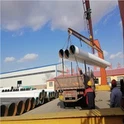
Proper pipe handling is crucial to prevent damage to the ASTM A671 steel pipes. When lifting the pipes, use appropriate lifting equipment such as cranes or forklifts with suitable slings or lifting attachments. Avoid using sharp - edged tools or equipment that could scratch or dent the pipes, as these imperfections can compromise the integrity of the pipes and lead to corrosion or leakage.
During transportation, the pipes should be secured properly to prevent them from shifting or colliding with each other. Use padded supports or spacers to protect the pipes from abrasion. If the pipes are stored on - site before installation, stack them in a stable and organized manner. Make sure the stack is not too high to prevent toppling, and the bottom layer of pipes should be supported evenly to avoid deformation.
3. Welding Precautions
Welding is a common method for joining ASTM A671 steel pipes. However, it must be carried out with great care. First, the welding process should comply with the relevant welding standards and procedures. Only qualified welders with appropriate certifications should be allowed to perform the welding work.
Before welding, the pipe ends should be cleaned thoroughly to remove any dirt, rust, or oil. This can be done using wire brushes, solvents, or other cleaning methods. The welding electrodes or filler metals used should be compatible with the ASTM A671 steel pipes to ensure good weld quality.
During the welding process, control the welding parameters such as welding current, voltage, and welding speed carefully. Improper welding parameters can result in defects such as porosity, cracks, or lack of fusion. After welding, the welds should be inspected visually and, if necessary, by non - destructive testing methods such as ultrasonic testing or radiographic testing to ensure the quality of the welds.
4. Corrosion Protection
ASTM A671 steel pipes are susceptible to corrosion, especially in harsh environments. Therefore, proper corrosion protection measures should be taken during installation. One common method is to apply a protective coating on the surface of the pipes. The coating should be selected based on the specific environment where the pipes will be installed. For example, in a marine environment, a coating with high resistance to saltwater corrosion should be used.
Another important aspect is the cathodic protection. This can be achieved by installing sacrificial anodes or impressed current systems. Sacrificial anodes are made of a more active metal than the steel pipe, and they will corrode preferentially, protecting the steel pipe from corrosion. Impressed current systems use an external power source to supply a protective current to the pipes.
5. Alignment and Support
Proper alignment of the ASTM A671 steel pipes is essential to ensure smooth fluid flow and prevent stress concentration. During installation, use alignment tools such as laser levels or pipe alignment clamps to ensure that the pipes are in a straight line. Any misalignment can cause additional stress on the pipes and joints, increasing the risk of leakage or failure.
In addition, adequate support should be provided for the pipes. The supports should be designed to withstand the weight of the pipes, the fluid inside the pipes, and any external loads such as wind or seismic forces. The spacing of the supports should be determined based on the pipe diameter, wall thickness, and the type of fluid being transported. For example, for large - diameter pipes or pipes carrying heavy fluids, the support spacing should be relatively smaller.
6. Pressure Testing
After the installation of the ASTM A671 steel pipes is completed, pressure testing is necessary to check for any leaks or weaknesses in the system. The pressure test should be carried out in accordance with the relevant standards and procedures.
First, fill the pipe system with a suitable test fluid, usually water. Then, gradually increase the pressure to the test pressure, which is typically higher than the normal operating pressure. Hold the pressure for a specified period of time, usually 10 - 30 minutes, and check for any visible leaks or pressure drops. If any leaks are detected, they should be repaired immediately, and the pressure test should be repeated until the system passes the test.
7. Compatibility with Other Components
When installing ASTM A671 steel pipes, it is important to ensure their compatibility with other components in the system. For example, the valves, fittings, and flanges used should be made of materials that are compatible with the ASTM A671 steel pipes to prevent galvanic corrosion.
The connection between the pipes and other components should be made using proper methods and sealing materials. For example, when using flanges, ensure that the gaskets are of the correct size and material and are installed correctly to prevent leakage.
Industry - Specific Applications and Considerations
ASTM A671 steel pipes are used in a variety of industries, each with its own specific requirements. For example, in the oil and gas industry, these pipes are often used for transporting high - pressure fluids. In this case, the pipes need to be able to withstand high pressures and harsh environmental conditions. You can learn more about high - pressure applications from our High Pressure & Moderate Temp EFW Pipes page.
In the chemical industry, the pipes may come into contact with corrosive chemicals. Therefore, special corrosion - resistant coatings or linings may be required. For applications in low - temperature environments, such as in the cryogenic industry, LTCS Pipe may be a more suitable choice. These pipes are designed to maintain their mechanical properties at low temperatures.
In atmospheric and lower - temperature applications, Steel Pipe for Atmospheric and Lower Temperatures provides specific solutions. The installation in these environments may require additional insulation to prevent heat loss or freezing of the fluid inside the pipes.
Conclusion
Installing ASTM A671 steel pipes requires careful planning and attention to detail. By following the installation precautions mentioned above, including proper site preparation, pipe handling, welding, corrosion protection, alignment, and pressure testing, you can ensure the safe and reliable operation of the pipe system.


If you are in need of high - quality ASTM A671 steel pipes or have any questions about their installation, please feel free to contact us for procurement and further discussion. Our team of experts is always ready to provide you with professional advice and support.
References
- ASTM International. ASTM A671 Standard Specification for Electric - Fusion - Welded Steel Pipe (NPS 1/2 Through 24) for Atmospheric and Lower Temperatures.
- Welding Handbook. American Welding Society.
- Corrosion Control Manual. National Association of Corrosion Engineers.