As a supplier of ASTM A691 EFW Pipe, I understand the significance of proper installation to ensure the optimal performance and longevity of the pipes. ASTM A691 EFW Pipe is widely used in various industries, especially in applications requiring high - quality steel pipes for atmospheric and lower temperatures. In this blog, I will share some essential installation precautions for ASTM A691 EFW Pipe.
1. Pre - installation Inspection
Before starting the installation process, a thorough inspection of the ASTM A691 EFW Pipe is crucial. Check the pipes for any visible defects such as cracks, dents, or corrosion. The pipes should comply with the ASTM A691 standard, which specifies the requirements for electric - fusion - welded steel pipe for high - temperature service at pressures generally above 300 psi. Refer to the Steel Pipe for Atmospheric and Lower Temperatures for more details on the characteristics of pipes suitable for different temperature conditions.
Inspect the pipe ends for proper beveling. The bevel angle, root face, and root gap are important parameters that affect the welding quality during installation. Incorrect beveling can lead to poor weld penetration and weak joints, which may cause leaks or failures in the pipeline system.
2. Handling and Storage
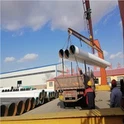
Proper handling and storage of ASTM A691 EFW Pipe are essential to prevent damage. When lifting the pipes, use appropriate lifting equipment such as slings or spreader bars to avoid excessive stress on the pipes. Avoid dropping or dragging the pipes, as this can cause surface damage and internal stress concentration.
During storage, the pipes should be stored in a dry and well - ventilated area. Protect the pipes from direct contact with the ground by using wooden or steel supports. Stack the pipes in a stable manner to prevent them from rolling or collapsing. If the pipes are stored outdoors, cover them with waterproof tarps to protect them from rain and other environmental factors. This helps to prevent rust and corrosion, which can significantly reduce the service life of the pipes.
3. Welding Precautions
Welding is a critical step in the installation of ASTM A691 EFW Pipe. Only qualified welders should perform the welding work. The welders should be trained and certified according to relevant standards, such as the American Welding Society (AWS) standards.
Before welding, clean the pipe ends thoroughly to remove any dirt, grease, rust, or other contaminants. Use appropriate cleaning methods such as wire brushing, grinding, or chemical cleaning. The cleanliness of the pipe ends is essential for achieving a sound weld joint.
Select the appropriate welding process and welding consumables. For ASTM A691 EFW Pipe, the welding process should be carefully chosen based on the pipe diameter, wall thickness, and service conditions. Common welding processes include shielded metal arc welding (SMAW), gas tungsten arc welding (GTAW), and submerged arc welding (SAW). The welding consumables should be compatible with the base metal of the pipe and meet the relevant standards.


Control the welding parameters such as welding current, voltage, welding speed, and heat input. Improper welding parameters can lead to various welding defects, such as porosity, lack of fusion, and excessive weld reinforcement. Follow the welding procedure specification (WPS) developed specifically for ASTM A691 EFW Pipe to ensure consistent and high - quality welds.
4. Alignment and Support
Proper alignment of the pipes is essential to ensure a smooth flow of fluid or gas in the pipeline system. Use alignment tools such as clamps and straightedges to align the pipes accurately. The misalignment of pipes can cause stress concentration at the joints, which may lead to premature failure of the pipeline.
Install adequate supports along the pipeline to prevent sagging and excessive movement. The type and spacing of supports depend on the pipe diameter, wall thickness, fluid or gas flow rate, and temperature. For ASTM A691 EFW Pipe used in high - temperature applications, expansion joints may be required to accommodate thermal expansion and contraction.
5. Testing and Inspection after Installation
After the installation of ASTM A691 EFW Pipe is completed, perform various tests and inspections to ensure the integrity of the pipeline system. Pressure testing is one of the most common tests used to check for leaks. The test pressure should be determined according to the design requirements and relevant standards.
Non - destructive testing (NDT) methods such as ultrasonic testing (UT), radiographic testing (RT), and magnetic particle testing (MT) can be used to detect internal and surface defects in the welds and pipes. Visual inspection should also be carried out to check for any visible defects such as weld spatter, cracks, or misalignment.
6. Compatibility with Other Components
When installing ASTM A691 EFW Pipe, consider the compatibility of the pipes with other components in the pipeline system, such as valves, fittings, and flanges. Ensure that the materials, dimensions, and pressure ratings of these components are compatible with the ASTM A691 EFW Pipe. For example, ASTM A672 Steel Pipe may be used in combination with ASTM A691 EFW Pipe in some systems, and proper connection methods should be adopted to ensure the overall performance of the pipeline.
7. Safety Precautions
Safety should always be a top priority during the installation of ASTM A691 EFW Pipe. Provide appropriate personal protective equipment (PPE) to the workers, such as safety helmets, safety glasses, gloves, and welding masks. Follow all safety regulations and procedures when using welding equipment, lifting equipment, and other tools.
Ensure proper ventilation in the work area when welding to prevent the accumulation of harmful gases and fumes. Keep fire - extinguishing equipment readily available to prevent and control fires.
In conclusion, proper installation of ASTM A691 EFW Pipe requires careful attention to various aspects, from pre - installation inspection to post - installation testing. By following these installation precautions, you can ensure the reliable operation of the pipeline system and extend the service life of the pipes.
If you are interested in purchasing high - quality ASTM A691 EFW Pipe, please visit ASTM A691 EFW Pipe to learn more about our products. We are always ready to provide you with professional advice and support for your piping projects. Contact us for more information and to start a procurement negotiation.
References
- ASTM International. ASTM A691/A691M - 21, Standard Specification for Carbon and Alloy Steel Electric - Fusion - Welded Pipe for High - Temperature Service at Pressures Generally Above 300 psi (2.07 MPa).
- American Welding Society (AWS). AWS D1.1/D1.1M:2020, Structural Welding Code - Steel.