2LPP (Two-Layer Polypropylene) coating is a widely used anti-corrosion coating for steel pipes, which provides excellent protection against various environmental factors. As a 2LPP Coating supplier, I'd like to share some essential maintenance methods to ensure the long - term performance and durability of 2LPP coated pipes.
1. Inspection and Monitoring
Regular inspection is the cornerstone of 2LPP coating maintenance. Visual inspections should be carried out at least annually, or more frequently in harsh environments. During the inspection, look for signs of coating damage such as scratches, cracks, blisters, or peeling. These defects can expose the underlying steel to corrosive agents, leading to premature failure of the pipe.
In addition to visual inspections, non - destructive testing methods can be employed for a more in - depth assessment. Ultrasonic testing can detect internal flaws in the coating, while magnetic particle testing is useful for detecting surface and near - surface defects. By regularly monitoring the condition of the 2LPP coating, potential problems can be identified early, allowing for timely repairs.
2. Surface Cleaning
Keeping the surface of the 2LPP coated pipes clean is crucial for maintaining its integrity. Dirt, debris, and chemical contaminants can accumulate on the coating surface over time, which may cause degradation or damage. Use mild detergents and soft brushes or cloths to clean the pipes. Avoid using abrasive materials or harsh chemicals, as they can scratch or dissolve the coating.
For pipes located in industrial areas or areas with high levels of pollution, more frequent cleaning may be required. In some cases, pressure washing can be used, but the pressure should be carefully controlled to prevent damage to the coating. After cleaning, make sure the pipes are thoroughly dried to prevent the growth of mold or mildew.
3. Repair of Coating Damage
When coating damage is detected, prompt repair is necessary. Small scratches and minor damages can be repaired using touch - up paints or repair kits specifically designed for 2LPP coatings. These products are formulated to match the properties of the original coating, ensuring a seamless repair.
For larger areas of damage, more comprehensive repair procedures may be required. This may involve removing the damaged coating, preparing the surface, and applying a new layer of 2LPP coating. It is important to follow the manufacturer's instructions during the repair process to ensure the quality of the repair.
4. Protection During Handling and Installation
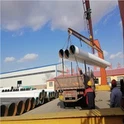
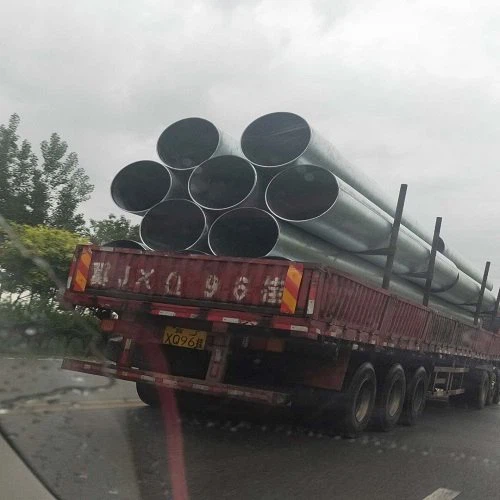
Proper handling and installation are essential to prevent damage to the 2LPP coating. During transportation, pipes should be protected with appropriate padding and restraints to prevent them from rubbing against each other or other objects. When lifting the pipes, use lifting equipment with soft slings or pads to avoid scratching the coating.
During installation, ensure that the pipes are properly aligned and supported. Avoid using sharp tools or excessive force that could damage the coating. If welding is required near the coated pipes, proper shielding measures should be taken to prevent the coating from being damaged by the heat or sparks.
5. Environmental Considerations
The performance of 2LPP coating can be affected by the surrounding environment. In areas with high humidity, proper ventilation should be ensured to prevent the accumulation of moisture on the coating surface. In coastal areas, where the air contains high levels of salt, the pipes may be more prone to corrosion. Additional protective measures, such as applying a sacrificial anode or using Hot Dip Spun Galvanized in combination with 2LPP coating, may be necessary.
In areas with extreme temperatures, the expansion and contraction of the pipes and the coating should be considered. Adequate expansion joints and flexible connections can be installed to accommodate these changes and prevent coating damage.
6. Comparison with Other Coatings
2LPP coating has its own advantages and disadvantages compared to other anti - corrosion coatings. For example, 3 Layer Polyethylene (3LPE) coating provides a higher level of protection in some cases, especially in highly corrosive environments. However, 2LPP coating is more cost - effective and has better resistance to mechanical damage in certain situations.
Corrosion - resistant Pipes with different coatings are suitable for different applications. When choosing a coating, factors such as the type of corrosive medium, the operating temperature, and the budget should be taken into account.
7. Long - Term Storage
If the 2LPP coated pipes need to be stored for a long time, proper storage conditions should be maintained. The pipes should be stored in a dry, well - ventilated area, away from direct sunlight and sources of heat. They should be placed on supports to prevent deformation and damage to the coating.
Periodic inspections should also be carried out during storage to ensure that the coating remains in good condition. If any signs of damage or degradation are detected, appropriate measures should be taken immediately.
8. Training and Education
Providing training and education to the end - users, installers, and maintenance personnel is essential for the proper maintenance of 2LPP coating. They should be familiar with the properties of the coating, the correct inspection and maintenance procedures, and the potential problems that may occur.

By improving the awareness and skills of the relevant personnel, the lifespan of the 2LPP coated pipes can be significantly extended, and the overall cost of ownership can be reduced.
In conclusion, proper maintenance of 2LPP coating is essential for ensuring the long - term performance and durability of steel pipes. By following these maintenance methods, you can maximize the benefits of 2LPP coating and avoid costly repairs and replacements. If you are interested in purchasing 2LPP coating or have any questions about its maintenance, please feel free to contact us for further discussion and negotiation.
References
- "Handbook of Corrosion Prevention and Control" by Pierre R. Roberge
- "Coatings for Corrosion Protection" by Kwang - Dae Ahn
- Technical documents provided by 2LPP coating manufacturers.