Safety is paramount when it comes to wind farm pile systems. As a supplier of these crucial components, I've seen firsthand the importance of adhering to strict safety regulations. In this blog, I'll break down the key safety regulations for wind farm pile systems, based on my experiences in the industry.

Durability and Material Standards
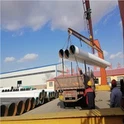
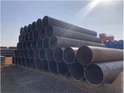
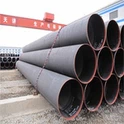
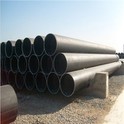
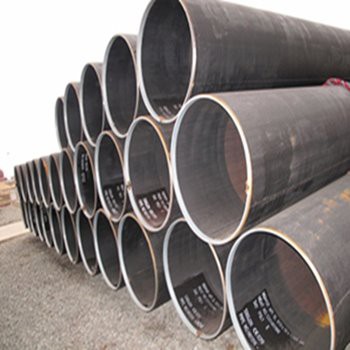
First off, the materials used in wind farm pile systems need to be top - notch. For instance, we often recommend our ASTM A252 Grade 2 Piling Pipe. This type of pipe is designed to withstand the harsh conditions that wind farm piles are exposed to. It has excellent corrosion resistance, which is vital because wind farms can be located in coastal areas or other environments with high humidity and salt content in the air.
The durability of the piles also depends on proper manufacturing processes. The pipes should be free from defects like cracks, holes, or uneven thickness. Any such flaws can weaken the pile and lead to structural failures over time. Regular quality control checks during production are essential to ensure that every pile meets the required standards.
Installation Safety
The installation process of wind farm pile systems is a high - risk operation. One of the main safety regulations is related to the stability of the installation equipment. Cranes and pile drivers need to be properly maintained and inspected before each use. Operators must be trained not only in how to use the equipment but also in safety procedures.
When driving the piles into the ground, the installation team needs to monitor the alignment and垂直度. Misaligned piles can put additional stress on the wind turbine structure, increasing the risk of collapse. Real - time monitoring systems can be used to ensure that the piles are being installed at the correct angle and depth.
Ground Conditions Assessment
Before installing any wind farm pile system, a thorough assessment of the ground conditions is necessary. Different soil types have different load - bearing capacities. For example, soft clay may require longer and larger diameter piles to support the weight of the wind turbine. On the other hand, rocky ground may pose challenges during the installation process.
We also need to consider the potential for soil settlement over time. If the ground settles unevenly, it can cause the wind turbine to tilt, which is extremely dangerous. Geotechnical engineers should conduct detailed surveys to understand the ground's composition, strength, and settlement characteristics before deciding on the appropriate pile design.
Environmental Considerations
Wind farms are often located in areas with unique ecosystems. Safety regulations also cover minimizing the impact on the environment during the pile installation process. Noise pollution is a major concern, especially in areas close to wildlife habitats. Pile driving can generate loud noises that can disrupt the behavior of animals, including birds, marine life, and land - dwelling creatures.
To mitigate this, we can use techniques like pre - drilling or hydraulic pile driving, which are generally quieter than traditional pile - driving methods. Additionally, measures should be taken to prevent any spills or leaks of lubricants or other fluids from the installation equipment, as these can contaminate the soil and water.
Structural Integrity Monitoring
Once the wind farm pile system is installed, the job isn't over. Continuous monitoring of the pile's structural integrity is crucial. We can use sensors to measure factors like stress, strain, and vibration in the piles. Any abnormal readings could indicate potential problems, such as corrosion, damage, or soil movement.
Regular visual inspections are also necessary. These inspections can help identify surface - level issues like cracks or signs of corrosion that may not be detected by sensors. By catching problems early, we can take corrective actions before they lead to major failures.
Connection Safety
The connections between the piles and the wind turbine foundation are another critical aspect. These connections need to be strong enough to transfer the loads from the turbine to the piles effectively. Bolts, welds, and other connection methods should be inspected regularly to ensure they are in good condition.
Loose connections can lead to excessive vibration and movement, which can damage both the piles and the turbine. Proper torque values should be maintained for bolts, and welds should be checked for any signs of cracking or weakening.
Emergency Preparedness
Despite all the safety measures in place, emergencies can still happen. A well - defined emergency response plan is a must for every wind farm. The plan should cover scenarios such as pile failures, equipment malfunctions, or natural disasters.
Training should be provided to all personnel on the wind farm so that they know how to respond in case of an emergency. This includes evacuating the site safely, shutting down the wind turbines, and providing first - aid if needed.
As a supplier of wind farm pile systems, we're committed to making sure that all our products meet the highest safety standards. We offer a wide range of products, including High Building Structure Pipe and Undergroud Pile, which can be customized to fit the specific needs of your wind farm project.
If you're in the market for high - quality wind farm pile systems and want to ensure your project meets all safety regulations, don't hesitate to reach out. We're here to help you every step of the way, from selecting the right products to providing installation advice. Let's work together to build a safer and more sustainable wind energy future.
References
- ASCE (American Society of Civil Engineers). "Wind Turbine Foundation Design Standards"
- ISO (International Organization for Standardization). "International Standards for Wind Energy Project Safety"
- National Renewable Energy Laboratory (NREL). "Research on Wind Farm Structural Safety"