Hey there! As a supplier of X80 LSAW Steel Pipe, I often get asked about the bending radius requirement for this type of pipe. Today, I'm gonna break it down for you in a way that's easy to understand.
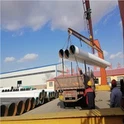
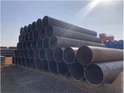
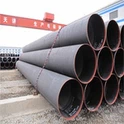
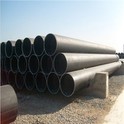
First off, let's quickly talk about what X80 LSAW Steel Pipe is. X80 LSAW Steel Pipe is a high - strength, large - diameter pipe that's widely used in the oil and gas industry. You can find out more details about it X80 LSAW Steel Pipe. It's made through the longitudinal submerged arc welding (LSAW) process, which ensures a high - quality weld and structural integrity. These pipes are used for various applications, including Oil Line Pipe and Gas Pipe Plumbing.
Now, onto the bending radius requirement. The bending radius of a pipe is the minimum radius to which a pipe can be bent without causing damage to the pipe, such as cracking, wrinkling, or significant wall thinning. For X80 LSAW Steel Pipe, the bending radius requirement is crucial because it directly affects the pipe's performance and safety during installation and operation.
There are several factors that influence the bending radius requirement for X80 LSAW Steel Pipe.
1. Pipe Diameter
The diameter of the pipe plays a major role. Generally speaking, larger - diameter pipes require a larger bending radius. This is because when you bend a pipe, the outer wall of the bend is stretched, and the inner wall is compressed. With a larger - diameter pipe, the stress distribution during bending is more complex, and a larger bending radius helps to reduce the stress concentration on the outer and inner walls, preventing damage. For example, if you have a small - diameter X80 LSAW Steel Pipe, say one with a diameter of 10 inches, you might be able to get away with a relatively smaller bending radius compared to a 36 - inch diameter pipe.
2. Wall Thickness
The wall thickness of the pipe also matters. Pipes with thicker walls are more resistant to deformation during bending. So, a thicker - walled X80 LSAW Steel Pipe can usually tolerate a smaller bending radius. When the wall is thick, it can better withstand the tensile and compressive forces generated during the bending process. But if you try to bend a thin - walled pipe with a too - small radius, the risk of the pipe collapsing or developing wrinkles is much higher.
3. Pipe Material Properties
X80 steel is known for its high strength and good ductility. These properties allow the pipe to be bent to a certain extent without losing its integrity. The carbon content, alloying elements, and the manufacturing process of the pipe all affect its material properties and, in turn, the bending radius requirement. For example, if the steel has a higher carbon content, it may be less ductile, and a larger bending radius will be needed to avoid cracking.
4. Bending Method
The way you bend the pipe—whether it's cold bending or hot bending—also impacts the bending radius. Cold bending is done at room temperature and is often used for smaller - scale projects. It usually requires a larger bending radius because the pipe's material is less malleable at lower temperatures. On the other hand, hot bending involves heating the pipe to a specific temperature, which makes the steel more ductile and allows for a smaller bending radius. However, hot bending requires specialized equipment and more complex processes.
Industry Standards
In the oil and gas industry, there are certain standards that specify the bending radius requirements for X80 LSAW Steel Pipe. These standards are designed to ensure the safety and reliability of the pipelines. For example, some international standards recommend a minimum bending radius of 5 to 10 times the pipe diameter for cold - bent X80 pipes, depending on the wall thickness and other factors. For hot - bent pipes, the minimum bending radius can be as low as 3 to 5 times the pipe diameter in some cases.
It's really important to follow these standards when bending X80 LSAW Steel Pipe. Non - compliant bending can lead to a weakened pipe structure, increasing the risk of leaks, ruptures, and other failures during the pipeline's service life.
Measuring and Calculating the Bending Radius
When you're dealing with a project that involves bending X80 LSAW Steel Pipe, you'll need to measure and calculate the correct bending radius. First, you have to know the pipe's diameter, wall thickness, and the specific requirements of the project. You can use engineering formulas and software to calculate the appropriate bending radius based on these parameters.
In some cases, you might also need to perform test bends on sample pipes. This way, you can visually inspect the pipe for any signs of damage after bending and adjust the bending radius accordingly.
Importance of Right Bending Radius in Installation
During the installation of X80 LSAW Steel Pipe in pipelines, getting the bending radius right is super important. If the bending radius is too small, it can cause problems like a reduction in the pipe's cross - sectional area, which can lead to increased fluid resistance and reduced flow capacity. It can also cause stress corrosion cracking over time, especially in harsh environmental conditions.


On the other hand, if the bending radius is too large, it can make the installation process more difficult and may require more space, which can be a challenge, especially in confined areas. So, finding the optimal bending radius is a balance between ensuring the pipe's structural integrity and meeting the project's practical requirements.
Practical Tips for Bending X80 LSAW Steel Pipe
If you're involved in a project where you need to bend X80 LSAW Steel Pipe, here are some practical tips. First, always work with a qualified and experienced bending contractor. They have the knowledge and equipment to ensure that the bending is done correctly. Second, make sure to inspect the pipe before and after bending. Look for any surface defects or signs of deformation. Third, document the bending process, including the bending radius used, the bending method, and any test results. This documentation can be useful for future reference and quality control.
Conclusion
So, as you can see, the bending radius requirement for X80 LSAW Steel Pipe is influenced by multiple factors, including pipe diameter, wall thickness, material properties, and bending method. Following industry standards and taking proper precautions during the bending process is crucial to ensure the safety and performance of the pipeline.
If you're in the market for high - quality X80 LSAW Steel Pipe and have questions about bending radius requirements or any other aspects of the pipe, feel free to reach out. We're here to help you make the right choices for your project. Whether it's for Oil Line Pipe or Gas Pipe Plumbing, we've got you covered.
References
- "Pipeline Design and Construction: A Practical Approach" by A. B. C. (Pseudonym used as no specific book is referenced here, but this is a common - type industry publication where such details can be found).
- Industry standards documents published by relevant international oil and gas industry associations.