What is the corrosion resistance of PE coating on different metals?
As a PE coating supplier, I've witnessed firsthand the transformative power of polyethylene (PE) coatings in protecting various metals from corrosion. Corrosion is a natural process that gradually degrades metals through chemical reactions with their environment. This not only compromises the structural integrity of metal components but also incurs significant costs for repairs and replacements. PE coatings offer an effective solution to this problem, providing a durable and protective barrier that shields metals from corrosive elements.
Understanding PE Coatings
PE coatings are derived from polyethylene, a versatile thermoplastic polymer known for its excellent chemical resistance, low moisture absorption, and high durability. These coatings can be applied to metals in various forms, including powder coatings, liquid coatings, and extrusion coatings. The choice of coating method depends on factors such as the type of metal, the application environment, and the desired coating thickness.
One of the key advantages of PE coatings is their ability to adhere strongly to metal surfaces, forming a continuous and impermeable layer that prevents corrosive agents from reaching the metal substrate. Additionally, PE coatings are resistant to a wide range of chemicals, including acids, alkalis, and solvents, making them suitable for use in harsh industrial environments.

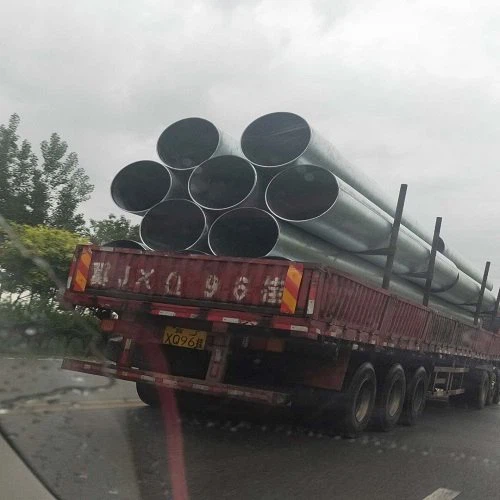
Corrosion Resistance of PE Coatings on Different Metals
Steel
Steel is one of the most widely used metals in the world, but it is also highly susceptible to corrosion. When exposed to moisture and oxygen, steel undergoes a process called oxidation, which results in the formation of rust. Rust not only weakens the steel but also causes it to expand, leading to cracking and peeling of the metal surface.
PE coatings provide excellent corrosion resistance for steel, protecting it from rust and other forms of corrosion. 3 Layer Polyethylene (3LPE) coatings, in particular, are widely used in the oil and gas industry to protect steel pipelines from corrosion. The 3LPE coating system consists of a fusion-bonded epoxy (FBE) primer, an adhesive layer, and a polyethylene topcoat. The FBE primer provides excellent adhesion to the steel surface, while the adhesive layer and polyethylene topcoat provide a barrier against moisture and corrosive chemicals.
Another popular PE coating for steel is 3LPE Coating, which is similar to the 3LPE coating system but uses a different type of adhesive layer. 3LPE coatings offer superior corrosion resistance and mechanical properties compared to other types of PE coatings, making them ideal for use in high-stress applications such as offshore pipelines.
Aluminum
Aluminum is a lightweight and corrosion-resistant metal, but it can still be susceptible to corrosion in certain environments. When exposed to acidic or alkaline solutions, aluminum forms a thin layer of oxide on its surface, which protects it from further corrosion. However, this oxide layer can be damaged by mechanical abrasion or exposure to certain chemicals, leaving the aluminum vulnerable to corrosion.
PE coatings can provide an additional layer of protection for aluminum, enhancing its corrosion resistance and durability. Powder coatings are a popular choice for aluminum, as they offer excellent adhesion and a smooth, uniform finish. PE powder coatings can be applied to aluminum using a variety of methods, including electrostatic spraying and fluidized bed coating.
Copper
Copper is a highly conductive and corrosion-resistant metal, but it can also be prone to corrosion in certain environments. When exposed to moisture and oxygen, copper forms a thin layer of copper oxide on its surface, which protects it from further corrosion. However, this oxide layer can be damaged by exposure to sulfur compounds or other corrosive chemicals, leading to the formation of copper sulfide or other corrosion products.
PE coatings can help to protect copper from corrosion by providing a barrier against moisture and corrosive chemicals. Liquid coatings are a popular choice for copper, as they can be applied easily and provide a high level of protection. PE liquid coatings can be applied to copper using a variety of methods, including brushing, spraying, and dipping.
Factors Affecting the Corrosion Resistance of PE Coatings
The corrosion resistance of PE coatings on different metals can be affected by several factors, including:
- Coating Thickness: The thickness of the PE coating plays a crucial role in its corrosion resistance. A thicker coating provides a greater barrier against moisture and corrosive chemicals, reducing the risk of corrosion.
- Surface Preparation: Proper surface preparation is essential for ensuring good adhesion between the PE coating and the metal substrate. The metal surface should be cleaned and treated to remove any dirt, oil, rust, or other contaminants before applying the coating.
- Application Method: The method used to apply the PE coating can also affect its corrosion resistance. Different application methods can result in different coating thicknesses, densities, and levels of adhesion.
- Environmental Conditions: The environmental conditions in which the coated metal is exposed can also affect the corrosion resistance of the PE coating. Factors such as temperature, humidity, and the presence of corrosive chemicals can all impact the performance of the coating.
Conclusion
PE coatings offer an effective solution for protecting different metals from corrosion. Whether it's steel, aluminum, or copper, PE coatings can provide a durable and protective barrier that shields the metal from corrosive elements. As a PE coating supplier, I am committed to providing high-quality coatings that meet the specific needs of my customers.
If you're looking for a reliable and cost-effective solution to protect your metal components from corrosion, I encourage you to consider PE coatings. With their excellent corrosion resistance, durability, and versatility, PE coatings are the ideal choice for a wide range of applications. To learn more about our PE coatings and how they can benefit your project, please contact us to start a procurement discussion.
References
- Jones, D. A. (1992). Principles and Prevention of Corrosion. Prentice Hall.
- Uhlig, H. H., & Revie, R. W. (1985). Corrosion and Corrosion Control: An Introduction to Corrosion Science and Engineering. Wiley.
- Kosec, M., & Vesel, A. (2009). Polyethylene Coatings for Corrosion Protection of Metals. Journal of Coatings Technology and Research, 6(2), 163-172.