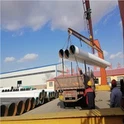
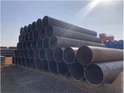
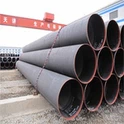
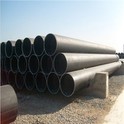
Hey there! As a supplier of ASTM A672 steel pipes, I often get asked about the erosion resistance of these pipes. Erosion resistance is a crucial factor, especially when these pipes are used in various industrial applications. So, let's dive into what makes ASTM A672 steel pipes resistant to erosion.
First off, what is ASTM A672 steel pipe? ASTM A672 is a standard specification for electric - fusion - welded steel pipes for high - pressure service at moderate temperatures. These pipes are widely used in industries such as oil and gas, power generation, and chemical processing.
Understanding Erosion
Erosion is the process by which materials are worn away by the action of fluids, usually liquids or gases, carrying solid particles. In the case of pipes, this can happen when the fluid flowing inside the pipe contains abrasive particles like sand, silt, or other hard substances. Over time, these particles can scrape and wear down the inner surface of the pipe, leading to reduced wall thickness, leaks, and ultimately, pipe failure.
Factors Affecting Erosion Resistance of ASTM A672 Steel Pipe
Material Composition
The composition of ASTM A672 steel plays a significant role in its erosion resistance. These pipes are made from carbon and alloy steels. The carbon content provides strength, while the alloying elements, such as manganese, silicon, and sometimes small amounts of other metals, enhance the pipe's overall properties. For example, manganese can improve the hardenability and toughness of the steel, which in turn can increase its ability to withstand the impact of abrasive particles.
Surface Finish
The surface finish of the pipe also matters. A smooth inner surface reduces the friction between the fluid and the pipe wall. When the surface is smooth, the abrasive particles are less likely to get stuck and cause localized wear. ASTM A672 pipes are often manufactured with a high - quality surface finish to enhance their erosion resistance.
Hardness
Hardness is another key factor. Generally, harder steels are more resistant to erosion. The heat treatment processes used in the manufacturing of ASTM A672 pipes can be adjusted to achieve the desired hardness. For instance, quenching and tempering can increase the hardness of the steel, making it more resistant to the abrasive action of the fluid - borne particles.
How ASTM A672 Steel Pipes Compare to Other Pipes in Erosion Resistance
Compared to some other types of pipes, ASTM A672 steel pipes have good erosion resistance. For example, ASTM A691 EFW Pipe is also used in high - pressure applications, but the specific composition and manufacturing processes of ASTM A672 give it an edge in certain erosion - prone environments.
Applications Where Erosion Resistance is Crucial
Oil and Gas Industry
In the oil and gas industry, ASTM A672 pipes are often used for transporting crude oil and natural gas. These fluids can contain sand and other abrasive particles, especially in offshore and onshore drilling operations. The erosion resistance of ASTM A672 pipes ensures that they can withstand the harsh conditions and have a longer service life.
Power Generation
In power plants, these pipes are used for transporting water and steam. The water used in power generation may contain impurities that can cause erosion. The ability of ASTM A672 pipes to resist erosion helps maintain the efficiency and safety of the power generation systems.
Our Product Offerings
As a supplier, we offer a wide range of ASTM A672 steel pipes. Our EFW Carbon Alloy Steel Pipes High Pressure are designed to meet the highest quality standards. These pipes are manufactured using advanced techniques to ensure excellent erosion resistance.


We also have High Pressure & Moderate Temp EFW Pipes that are suitable for various industrial applications. Our team of experts can help you select the right pipe based on your specific requirements, such as the type of fluid, pressure, and temperature conditions.
Quality Control
We take quality control very seriously. All our ASTM A672 steel pipes go through a series of tests to ensure their erosion resistance and overall quality. These tests include chemical analysis to verify the composition, hardness testing, and non - destructive testing to detect any internal defects.
Conclusion
In conclusion, the erosion resistance of ASTM A672 steel pipes is a result of their material composition, surface finish, and hardness. These pipes are well - suited for applications where erosion is a concern, such as in the oil and gas and power generation industries.
If you're in the market for high - quality ASTM A672 steel pipes, don't hesitate to get in touch. We're here to provide you with the best products and solutions for your needs. Whether you need pipes for a small project or a large - scale industrial application, we can help. Let's start a conversation and find the perfect pipes for you.
References
- ASTM International. "ASTM A672/A672M - 21 Standard Specification for Electric - Fusion - Welded Steel Pipe for High - Pressure Service at Moderate Temperatures."
- ASM Handbook Committee. "ASM Handbook, Volume 13A: Corrosion: Fundamentals, Testing, and Protection." ASM International, 2003.