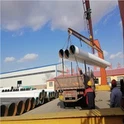
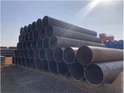
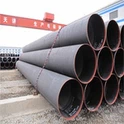
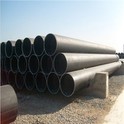
As a supplier of ASTM A672 Steel Pipe, I often get asked about the lead time for these products. The lead time for ASTM A672 steel pipe can vary significantly based on several factors, and in this blog post, I'll break down these elements to give you a clear understanding of what to expect.
Understanding ASTM A672 Steel Pipe
Before delving into lead times, it's essential to understand what ASTM A672 Steel Pipe is. ASTM A672 is a standard specification for electric - fusion - welded steel pipe for high - pressure service at moderate temperatures. These pipes are widely used in various industries, including oil and gas, chemical processing, and power generation, due to their excellent strength and durability. You can find more detailed information about ASTM A672 Steel Pipe on our website.
Factors Affecting Lead Time
1. Order Quantity
One of the most significant factors influencing the lead time is the quantity of the order. Smaller orders typically have a shorter lead time because they require less raw material and less production time. For instance, if you order a small batch of ASTM A672 steel pipes for a minor project, we can usually fulfill the order within 2 - 3 weeks. This is because we can quickly source the necessary raw materials and allocate production resources.
On the other hand, large - scale orders, such as those required for major infrastructure projects, can take much longer. Producing a large quantity of pipes requires substantial raw materials, which may need to be sourced from multiple suppliers. Additionally, the production process for large orders often involves multiple production runs, which can extend the lead time to 8 - 12 weeks or even longer, depending on the complexity of the order.
2. Material Availability
The availability of raw materials is another crucial factor. ASTM A672 steel pipes are made from specific grades of steel, and if these materials are in short supply in the market, it can significantly delay the production process. For example, if there is a sudden increase in demand for the particular grade of steel used in ASTM A672 pipes, suppliers may face shortages. In such cases, we may have to wait for new shipments of raw materials, which can add several weeks to the lead time.
We work closely with our trusted raw material suppliers to ensure a steady supply. However, unforeseen circumstances such as natural disasters, labor strikes at steel mills, or global supply chain disruptions can still impact material availability.
3. Customization Requirements
If your order requires customization, such as specific wall thickness, length, or coating, the lead time will be longer. Customizing ASTM A672 steel pipes involves additional steps in the production process. For example, if you need a special coating for corrosion resistance, we have to apply the coating after the pipes are manufactured. This additional process not only takes time but also requires specialized equipment and expertise.
Custom - sized pipes also require more precise manufacturing processes. Cutting the pipes to non - standard lengths and ensuring the correct dimensions can add 1 - 3 weeks to the lead time, depending on the complexity of the customization.


4. Production Capacity
Our production capacity also plays a role in determining the lead time. If our production facilities are operating at full capacity due to high demand from multiple customers, it may take longer to fulfill your order. We strive to optimize our production processes to increase efficiency, but during peak seasons, there may be a backlog of orders.
To manage production capacity effectively, we maintain a detailed production schedule. We prioritize orders based on their urgency and size, and we communicate regularly with our customers to keep them informed about the status of their orders.
5. Quality Control and Testing
Quality control is of utmost importance when it comes to ASTM A672 steel pipes. These pipes are used in high - pressure applications, so they must meet strict quality standards. After production, each pipe undergoes a series of tests, including non - destructive testing, hydrostatic testing, and chemical analysis.
The time required for quality control and testing can vary depending on the order size. For small orders, the testing process may take a few days, while for large orders, it can take up to a week or more. Any pipes that do not meet the required standards are rejected, and we have to produce replacements, which can further extend the lead time.
Typical Lead Time Ranges
Based on the factors mentioned above, here are some typical lead time ranges for ASTM A672 steel pipes:
Standard Orders
For standard orders with no customization and a relatively small quantity (less than 10 tons), the lead time is usually around 2 - 3 weeks. This assumes that the raw materials are readily available and our production facilities are not at full capacity.
Medium - Sized Orders
Medium - sized orders (10 - 50 tons) with standard specifications typically have a lead time of 4 - 6 weeks. This accounts for the time required to source raw materials, conduct production, and perform quality control.
Large - Scale and Customized Orders
Large - scale orders (over 50 tons) or orders with significant customization requirements can have a lead time of 8 - 12 weeks or more. These orders often involve complex production processes, longer material sourcing times, and more extensive quality control measures.
Comparison with Other Similar Steel Pipes
It's also worth comparing the lead time of ASTM A672 steel pipes with other similar products, such as ASTM A691 EFW Pipe and ASTM A671 Steel Pipe.
ASTM A691 EFW Pipe is used for high - temperature service, and its production process is similar to that of ASTM A672 steel pipes. However, due to the different application requirements, the raw materials and quality control measures may vary slightly. In general, the lead time for ASTM A691 EFW Pipe is comparable to that of ASTM A672 steel pipes, with similar factors affecting the delivery time.
ASTM A671 Steel Pipe is designed for low - temperature service. The production process for ASTM A671 pipes may also be similar, but the specific requirements for low - temperature performance can influence the lead time. For example, additional testing may be required to ensure the pipes can withstand low temperatures, which can add a little extra time to the production process.
How We Minimize Lead Time
As a supplier, we are committed to minimizing the lead time for our customers. We have implemented several strategies to achieve this:
- Strategic Sourcing: We have established long - term partnerships with reliable raw material suppliers. This allows us to secure a steady supply of materials and negotiate better lead times for raw material deliveries.
- Efficient Production Processes: Our production facilities are equipped with state - of - the - art machinery and technology. We continuously optimize our production processes to increase efficiency and reduce production time.
- Flexible Production Scheduling: We maintain a flexible production schedule that can adapt to changing customer demands. This enables us to prioritize urgent orders and adjust production capacity as needed.
- Proactive Communication: We keep our customers informed about the status of their orders at every stage. This includes providing regular updates on material availability, production progress, and expected delivery times.
Conclusion
The lead time for ASTM A672 steel pipe is influenced by multiple factors, including order quantity, material availability, customization requirements, production capacity, and quality control. While it's challenging to provide an exact lead time without knowing the specific details of your order, we strive to provide accurate estimates and minimize the delivery time as much as possible.
If you are considering purchasing ASTM A672 steel pipes for your project, we encourage you to contact us for a detailed quote and lead time estimate. Our team of experts is ready to assist you and ensure that you get the best - quality products within the shortest possible time frame.
References
- ASTM International standards for A672, A691, and A671 steel pipes.
- Industry reports on steel pipe production and supply chain management.