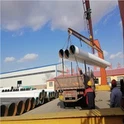
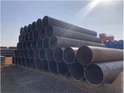
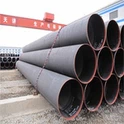
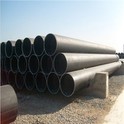
Hey there! As a supplier of 3LPE Coating, I'm super excited to chat with you about its moisture resistance. You might be wondering, "What's the big deal about moisture resistance anyway?" Well, let me tell you, it's a crucial factor when it comes to protecting your steel pipes from corrosion and ensuring their long - term performance.
Understanding 3LPE Coating
First off, let's quickly go over what 3LPE Coating is. It stands for Three - Layer Polyethylene Coating. This coating system consists of three layers: an epoxy primer, an adhesive layer, and a polyethylene topcoat. Each layer plays a specific role in providing excellent protection for steel pipes. You can learn more about it 3LPE Coating.
The epoxy primer is in direct contact with the steel surface. It forms a strong chemical bond with the steel, providing a barrier against corrosion and enhancing adhesion. The adhesive layer acts as a bridge between the epoxy primer and the polyethylene topcoat, ensuring a tight and durable connection. The polyethylene topcoat is the outermost layer, which offers physical protection against mechanical damage and environmental factors.
Why Moisture Resistance Matters
Moisture is one of the biggest enemies of steel pipes. When steel comes into contact with water and oxygen, it undergoes a chemical reaction called oxidation, which leads to rust and corrosion. Corrosion can weaken the structural integrity of the pipes, reduce their lifespan, and even cause leaks and failures, which can be costly and dangerous, especially in applications like oil and gas pipelines.
A coating with good moisture resistance can prevent water from reaching the steel surface. It acts as a shield, keeping the steel dry and protected. This not only extends the life of the pipes but also reduces maintenance costs and the risk of unexpected failures.
How 3LPE Coating Resists Moisture
One of the key features of 3LPE Coating is its excellent moisture resistance. The polyethylene topcoat is highly impermeable to water. It has a low water absorption rate, which means that it doesn't let water soak into the coating easily. Even in a highly humid environment or when the pipes are submerged in water, the polyethylene topcoat can effectively block the penetration of moisture.
The epoxy primer also contributes to the moisture - resistance of the 3LPE Coating. It forms a dense and continuous film on the steel surface, preventing water molecules from reaching the steel. Additionally, the chemical bond between the epoxy primer and the steel is strong enough to withstand the pressure exerted by water.
The adhesive layer further enhances the overall moisture resistance of the 3LPE Coating. It helps to maintain the integrity of the coating system by keeping the layers firmly bonded together. If the layers were to separate, water could seep in through the gaps, compromising the protection of the steel.
Comparing with Other Coating Systems
There are other coating systems available in the market, such as 2LPP Coating and Hot Dip Spun Galvanized. While these coatings also offer corrosion protection, 3LPE Coating has some advantages when it comes to moisture resistance.
2LPP Coating, or Two - Layer Polypropylene Coating, is a popular choice for corrosion protection. However, compared to 3LPE Coating, it may have a slightly higher water absorption rate. The lack of an epoxy primer in 2LPP Coating means that the bond with the steel may not be as strong, which could potentially allow moisture to reach the steel surface over time.

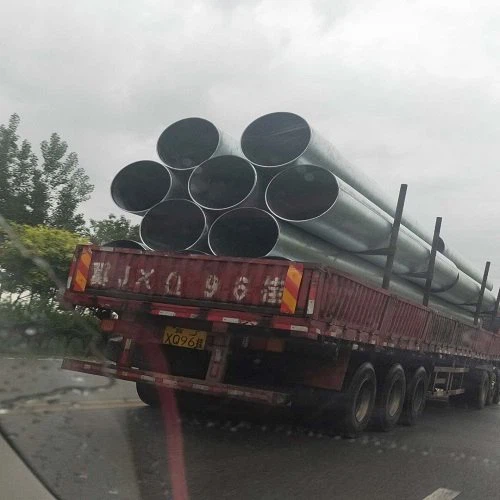
Hot Dip Spun Galvanized is a process where a layer of zinc is applied to the steel surface. Zinc provides sacrificial protection to the steel, but it can be vulnerable to corrosion in certain environments, especially those with high levels of moisture and aggressive chemicals. In contrast, 3LPE Coating offers a more comprehensive and long - lasting solution for moisture protection.
Testing the Moisture Resistance of 3LPE Coating
To ensure the quality and performance of 3LPE Coating, it undergoes various tests to evaluate its moisture resistance. One common test is the water immersion test. In this test, coated samples are submerged in water for a certain period of time, and then the coating is inspected for signs of delamination, blistering, or corrosion. If the coating passes the test, it means that it has good moisture resistance and can withstand long - term exposure to water.
Another test is the salt spray test. In this test, the coated samples are exposed to a salt - laden mist, which simulates a harsh coastal environment. The samples are monitored for a specified time, and the appearance of the coating is evaluated. A coating with good moisture resistance will show minimal signs of corrosion or damage after the salt spray test.
Real - World Applications
3LPE Coating is widely used in a variety of industries where moisture resistance is crucial. In the oil and gas industry, it is used to coat pipelines that transport crude oil, natural gas, and other petroleum products. These pipelines are often buried underground or laid underwater, where they are constantly exposed to moisture. The excellent moisture resistance of 3LPE Coating ensures that the pipelines remain protected for many years, reducing the risk of leaks and environmental contamination.
In the water supply and sewage systems, 3LPE - coated pipes are used to prevent corrosion and ensure the safe and reliable delivery of water. Whether it's a municipal water pipeline or an industrial wastewater treatment plant, the moisture - resistant properties of 3LPE Coating help to maintain the integrity of the pipes and prevent water pollution.
Conclusion
In conclusion, the moisture resistance of 3LPE Coating is one of its most important features. It provides a reliable and long - lasting solution for protecting steel pipes from the damaging effects of moisture and corrosion. With its three - layer structure, the coating offers excellent barrier properties and a strong bond with the steel surface.
If you're in the market for a high - quality anti - corrosion coating for your steel pipes, 3LPE Coating is definitely worth considering. It's a proven and trusted solution that can save you time, money, and headaches in the long run.
If you're interested in learning more about our 3LPE Coating or want to discuss your specific requirements, feel free to reach out. We're here to help you find the best coating solution for your project.
References
- NACE International, "Standard Practice for Protective Coating Systems for Offshore Structures and Related Facilities".
- ISO Standards related to pipeline coatings, such as ISO 21809 - 1 for polyethylene - based external coatings for pipelines.