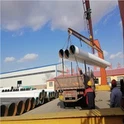
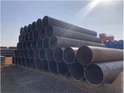
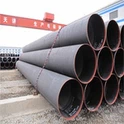
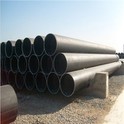
When it comes to chemical - storage applications, choosing the right material is crucial. Two popular options in the market are 3 Layer Polyethylene (3LPE) and fiberglass. As a 3LPE supplier, I have witnessed firsthand the performance of 3LPE in various chemical - storage scenarios. In this blog, I will compare 3LPE with fiberglass in chemical - storage applications from multiple aspects.
1. Chemical Resistance
Chemical resistance is one of the most important factors in chemical - storage applications. Fiberglass is known for its relatively good chemical resistance. It can withstand a wide range of chemicals, including many acids, alkalis, and solvents. However, its performance may vary depending on the resin system used in the fiberglass. For example, some polyester - based fiberglass may have limited resistance to strong oxidizing agents or certain organic solvents.
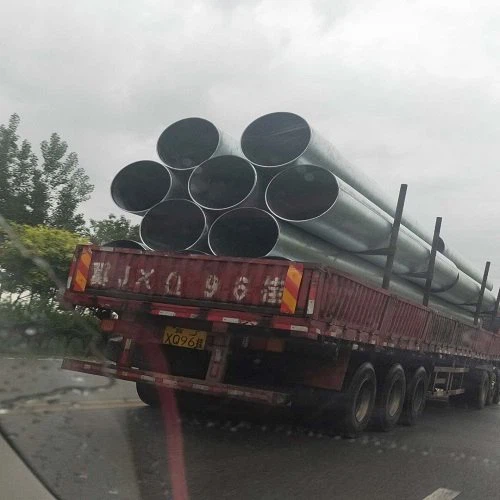

On the other hand, 3LPE offers excellent chemical resistance. The polyethylene layer in 3LPE acts as a barrier against a variety of chemicals. It has high resistance to most inorganic acids, alkalis, and salts. Moreover, the three - layer structure of 3LPE provides an additional level of protection. The outer layer can prevent mechanical damage, while the middle and inner layers work together to enhance the chemical - resistance properties. For instance, in a storage facility for hydrochloric acid, 3LPE tanks have shown remarkable durability over long - term exposure. You can learn more about the structure and benefits of 3LPE from 3LPE Coating.
2. Mechanical Properties
Mechanical properties are also vital in chemical - storage applications. Fiberglass has good strength - to - weight ratio. It can withstand a certain amount of external pressure and impact. However, fiberglass is relatively brittle. In cases where there is a risk of sudden impact or vibration, fiberglass storage containers may crack or break. This can lead to chemical leakage, which is a serious safety hazard.
3LPE, on the other hand, has better flexibility. The polyethylene material in 3LPE can absorb energy from impacts and vibrations. It is less likely to crack under normal operating conditions. For example, in a chemical plant where there are frequent forklift movements around the storage area, 3LPE storage tanks are more resistant to accidental collisions. Additionally, 3LPE has good tensile strength, which allows it to maintain its shape and integrity even when filled with heavy chemicals.
3. Installation and Maintenance
Installation of fiberglass storage systems can be complex. It often requires skilled labor and specialized equipment. Fiberglass components need to be carefully assembled, and the joints need to be properly sealed to prevent leakage. Moreover, fiberglass surfaces may require regular cleaning and inspection to ensure their long - term performance. Any damage to the fiberglass surface may need to be repaired by a professional, which can be time - consuming and costly.
In contrast, 3LPE storage solutions are relatively easy to install. The pre - fabricated 3LPE components can be quickly assembled on - site. The smooth surface of 3LPE makes it easy to clean, and maintenance requirements are minimal. In case of minor damage, 3LPE can be easily repaired using simple tools and materials. For example, a small scratch on a 3LPE tank can be repaired with a polyethylene patch, which can be done by the in - house maintenance team.
4. Cost - effectiveness
Cost is an important consideration in any chemical - storage project. The initial cost of fiberglass storage systems can be relatively high, especially when considering the cost of installation and labor. Additionally, the long - term maintenance cost of fiberglass can also add up over time.
3LPE offers a more cost - effective solution. The material cost of 3LPE is competitive, and the installation cost is lower due to its ease of installation. Moreover, the low maintenance requirements of 3LPE result in lower long - term costs. For a medium - sized chemical - storage project, choosing 3LPE can save a significant amount of money compared to fiberglass.
5. Environmental Impact
In today's world, environmental impact is a growing concern. Fiberglass production involves the use of various chemicals and energy - intensive processes. The disposal of fiberglass waste can also be a challenge, as it is not easily biodegradable.
3LPE has a relatively lower environmental impact. Polyethylene is a recyclable material, and the production process of 3LPE is more energy - efficient compared to fiberglass production. Additionally, 3LPE storage systems can be designed to minimize chemical leakage, which helps to protect the environment.
6. Compatibility with Other Anti - corrosion Coatings
In some cases, additional anti - corrosion coatings may be required for chemical - storage applications. Fiberglass may have limited compatibility with some other coatings. For example, applying a different type of paint or coating on fiberglass may not adhere well, leading to poor performance.
3LPE has better compatibility with other anti - corrosion coatings. It can be combined with 2LPP Coating or Hot Dip Spun Galvanized in certain situations to provide enhanced protection. This flexibility allows for customized solutions based on the specific requirements of the chemical - storage application.
Conclusion
In conclusion, when comparing 3 Layer Polyethylene to fiberglass in chemical - storage applications, 3LPE offers several advantages. It has excellent chemical resistance, better mechanical properties, easier installation and maintenance, higher cost - effectiveness, lower environmental impact, and better compatibility with other anti - corrosion coatings. As a 3LPE supplier, I am confident that 3LPE is a superior choice for most chemical - storage needs.
If you are in the process of planning a chemical - storage project or looking for a reliable material for your existing storage systems, I encourage you to consider 3LPE. I would be more than happy to discuss your specific requirements and provide you with detailed information and solutions. Please feel free to reach out to start a procurement negotiation.
References
- "Chemical Resistance of Fiberglass Reinforced Plastics" - Published by a leading chemical engineering research institute.
- "Polyethylene in Chemical Storage Applications" - A technical report from a well - known plastics research center.