Hey there! I'm a supplier of Euro Underground Piles, and today I wanna chat about whether there are any special requirements for transporting these bad boys.
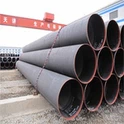
First off, let's understand what Euro Underground Piles are. These piles are crucial in construction projects, especially for building foundations. They come in different sizes and specifications to meet various engineering needs. For example, we've got the EN10219 S355J0H, which is widely used in many construction scenarios. It's known for its good strength and durability, making it a top choice for a lot of builders.
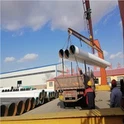
Now, when it comes to transporting Euro Underground Piles, size and weight are the first things that come to mind. These piles can be pretty long and heavy. Some can be up to several meters in length and weigh tons. That means we need to use appropriate transportation equipment. Trucks are the most common choice, but not just any truck will do. We need trucks with a high load - capacity and long enough beds to accommodate the piles. Specialized flatbed trucks are often used because they can provide a stable platform for the long piles.
Another important factor is securing the piles during transportation. We can't just throw them on the truck and hope for the best. The piles need to be firmly tied down to prevent them from shifting during transit. If they move around, it can not only damage the piles themselves but also pose a serious safety risk on the road. Straps and chains are commonly used for this purpose. We make sure to tighten them properly so that the piles stay in place, no matter how bumpy the road gets.
The surface condition of the transportation route also matters. Piles are usually made of steel, which is a hard and heavy material. If the road is full of potholes or uneven surfaces, it can cause vibrations that might lead to micro - cracks in the piles over time. So, we try to choose the smoothest and most direct routes possible. Sometimes, we even need to do a pre - inspection of the route to make sure it can handle the weight and size of the load.


Climate conditions can also have an impact on the transportation of Euro Underground Piles. In rainy or snowy weather, the piles can get wet, which might lead to rusting if they're not properly protected. We use waterproof covers to shield the piles from the elements. In extremely cold weather, the steel can become more brittle, increasing the risk of breakage. So, in such conditions, we need to take extra precautions, like adjusting the speed of transportation to reduce the impact of sudden stops or starts.
For international transportation, there are additional requirements. Customs regulations need to be followed. We have to provide accurate documentation about the piles, including their specifications, quantity, and value. This helps to ensure a smooth passage through customs. Also, different countries may have different standards for the transportation of heavy goods. We need to be aware of these differences and make the necessary adjustments.
Euro Underground Piles are also used in different construction applications, such as Bridge Building Structure Pipe and Pile and High Building Structure Pipe. Depending on the specific project they're going to be used for, there might be some special handling requirements. For example, piles for a high - rise building may need to be transported with extra care to ensure their precision and integrity, as any damage could affect the overall stability of the building.
In conclusion, transporting Euro Underground Piles is not a simple task. There are many special requirements that we need to consider, from the size and weight of the piles to the transportation route, climate conditions, and international regulations. As a supplier, we're committed to ensuring that the piles reach our customers in perfect condition.
If you're in the market for Euro Underground Piles and want to learn more about our products or discuss the transportation details, feel free to reach out. We're always happy to have a chat and help you find the best solutions for your construction needs.
References:
- Construction Materials Handbook: Guidelines for Steel Piles
- International Transportation Regulations for Heavy Goods