Hey there! As a supplier of ASTM A252 Grade 2, I often get asked if this type of steel can be hot - formed. So, let's dig into this topic and find out the answer.
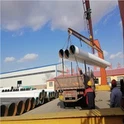
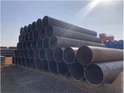
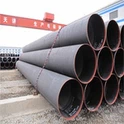
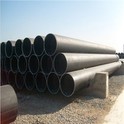
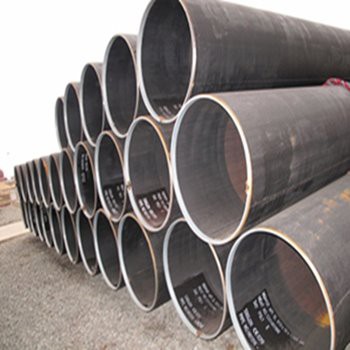
First off, let's understand what ASTM A252 Grade 2 is. ASTM A252 is a standard specification for welded and seamless steel pipe piles. Grade 2 is one of the grades under this standard, known for its good strength and ductility properties. It's commonly used in applications like Undergroud Pile, EN 10219 Structure Pipe, and Wind Farm Pile System.
Now, the big question: Can ASTM A252 Grade 2 be hot - formed? The short answer is yes, it can. But there are a bunch of factors we need to consider.
The Basics of Hot - Forming
Hot - forming is a process where steel is heated to a high temperature, usually above its recrystallization temperature. At this high temperature, the steel becomes more malleable, which means it can be shaped more easily. This process is great for creating complex shapes that would be difficult or impossible to achieve with cold - forming.
Factors Affecting Hot - Forming of ASTM A252 Grade 2
Chemical Composition
The chemical composition of ASTM A252 Grade 2 plays a crucial role in hot - forming. This grade typically contains elements like carbon, manganese, phosphorus, sulfur, silicon, and copper. Carbon is important as it affects the strength and hardness of the steel. A higher carbon content can make the steel stronger but also more brittle. During hot - forming, we need to make sure that the carbon content doesn't cause the steel to crack or become too hard to shape.
Manganese helps improve the strength and toughness of the steel. It also helps in reducing the negative effects of sulfur. Phosphorus and sulfur are usually kept at low levels because they can make the steel brittle, especially at high temperatures. Silicon is added to deoxidize the steel, and copper can enhance the corrosion resistance.
Temperature
Temperature is another key factor. For ASTM A252 Grade 2, we need to heat the steel to the right temperature range. If the temperature is too low, the steel won't be malleable enough, and we might end up with a poor - quality shape or even damage the steel. On the other hand, if the temperature is too high, the steel can lose its strength and develop surface defects.
The ideal temperature for hot - forming ASTM A252 Grade 2 is usually between 900°C and 1100°C. Within this range, the steel has the right balance of malleability and strength. We need to monitor the temperature closely during the hot - forming process to ensure consistent results.
Cooling Rate
After hot - forming, the cooling rate is very important. If the steel cools too quickly, it can develop internal stresses and become brittle. A slow and controlled cooling rate is usually preferred. This can be achieved by using methods like air - cooling or furnace - cooling. By controlling the cooling rate, we can ensure that the steel retains its desired properties, such as strength and ductility.
Advantages of Hot - Forming ASTM A252 Grade 2
Complex Shapes
One of the biggest advantages of hot - forming ASTM A252 Grade 2 is the ability to create complex shapes. In applications like wind farm pile systems, we might need piles with unique geometries to fit specific design requirements. Hot - forming allows us to bend, curve, and shape the steel into these complex forms without sacrificing its structural integrity.
Improved Ductility
Hot - forming can also improve the ductility of ASTM A252 Grade 2. When the steel is heated and deformed at high temperatures, the grains in the steel structure are re - arranged. This can result in a more uniform and fine - grained structure, which in turn enhances the ductility of the steel. Ductility is important because it allows the steel to withstand deformation without breaking, which is crucial in applications where the piles might be subjected to dynamic loads.
Challenges in Hot - Forming ASTM A252 Grade 2
Surface Quality
Maintaining good surface quality can be a challenge during hot - forming. At high temperatures, the steel can react with the oxygen in the air, forming a layer of scale on the surface. This scale can affect the appearance of the final product and might also need to be removed later. To prevent excessive scaling, we can use protective coatings or perform the hot - forming process in a controlled atmosphere.

Equipment and Skill Requirements
Hot - forming requires specialized equipment, such as furnaces, presses, and dies. These pieces of equipment need to be properly maintained and calibrated to ensure accurate and consistent results. Additionally, the operators need to have the right skills and experience to handle the hot - forming process. Any mistakes in temperature control, shaping, or cooling can lead to defective products.
Quality Control
When hot - forming ASTM A252 Grade 2, quality control is essential. We need to perform various tests on the hot - formed products to ensure they meet the required standards. Non - destructive testing methods, such as ultrasonic testing and magnetic particle testing, can be used to detect internal defects. We also need to check the dimensions, shape, and surface quality of the products.
Applications of Hot - Formed ASTM A252 Grade 2
As mentioned earlier, hot - formed ASTM A252 Grade 2 is used in a variety of applications. In Undergroud Pile applications, the hot - formed piles can be designed to fit the specific soil conditions and load requirements. The ability to create complex shapes allows for better anchoring and stability.
In EN 10219 Structure Pipe systems, hot - formed steel pipes can be used to build structures with unique architectural designs. The improved ductility of the hot - formed steel also makes it more suitable for withstanding seismic loads.
For Wind Farm Pile System, hot - formed piles can be customized to support the large and heavy wind turbines. The complex shapes can help distribute the loads more evenly and improve the overall stability of the wind farm.
Conclusion
So, in conclusion, ASTM A252 Grade 2 can definitely be hot - formed. However, we need to carefully consider factors like chemical composition, temperature, cooling rate, and quality control. While there are challenges in hot - forming, the advantages, such as the ability to create complex shapes and improve ductility, make it a viable option for many applications.
If you're in the market for ASTM A252 Grade 2 and have questions about hot - forming or any other aspects of our products, don't hesitate to reach out. We're here to help you find the best solutions for your projects. Whether you need standard or custom - hot - formed products, we've got the expertise and resources to meet your requirements. Let's start a conversation and see how we can work together to make your projects a success.
References
- ASTM International, "ASTM A252 Standard Specification for Welded and Seamless Steel Pipe Piles."
- Steel Construction Manual, Various Editions.
- Journal of Materials Science and Engineering, Articles on Steel Forming Processes.