Hey there! I'm a supplier of PE coating, and I often get asked if PE coating can be used on rubber. Well, let's dive right into this topic and find out.

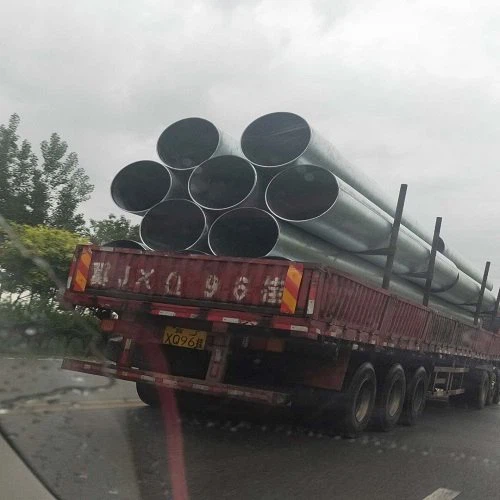
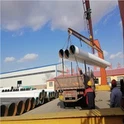
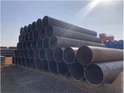
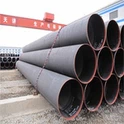
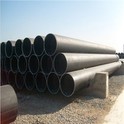
First off, what's PE coating? PE stands for polyethylene. It's a type of plastic that's widely used in various industries because of its great properties. It's durable, resistant to chemicals, and has a low friction coefficient. We offer different types of PE coatings, like 3LPE Coating, Hot Dip Spun Galvanized, and 3 Layer Polyethylene. These coatings are mainly known for their anti - corrosion capabilities on steel pipes, but can they work on rubber?
Let's talk about rubber. Rubber is an elastic material that comes in two main types: natural rubber and synthetic rubber. Natural rubber is made from the latex of rubber trees, while synthetic rubber is produced through chemical processes. Rubber is used in a ton of products, from tires to seals and gaskets. It has its own set of properties, such as high elasticity, good abrasion resistance, and flexibility.
Now, when it comes to using PE coating on rubber, there are a few things to consider. One of the first things is compatibility. PE and rubber have different chemical compositions and physical properties. PE is a thermoplastic, which means it can be melted and reshaped when heated. Rubber, on the other hand, can be either thermoplastic or thermoset. Thermoset rubber, once cured, can't be remelted.
The adhesion between PE coating and rubber is a crucial factor. For a coating to work effectively, it needs to stick well to the substrate. If the adhesion is poor, the coating will peel off easily, leaving the rubber unprotected. There are some ways to improve adhesion. Surface treatment of the rubber is one option. This can involve cleaning the rubber surface to remove any dirt, oil, or other contaminants. Sometimes, a primer can be applied to the rubber surface before the PE coating. The primer acts as a bridge between the rubber and the coating, enhancing the bond.
Another aspect to think about is the performance requirements of the rubber product. If the rubber is used in an environment where it's exposed to high temperatures, chemicals, or mechanical stress, the PE coating needs to be able to withstand these conditions. For example, in a chemical plant, the rubber seals might be exposed to various corrosive chemicals. A PE coating that's resistant to these chemicals would be necessary.
In some cases, using PE coating on rubber can bring several benefits. For instance, it can enhance the abrasion resistance of the rubber. If a rubber part is constantly rubbing against other surfaces, a PE coating can reduce the wear and tear, extending the lifespan of the rubber. It can also provide a barrier against moisture and oxygen, which can prevent the rubber from deteriorating over time.
However, there are also some potential drawbacks. The PE coating might change the flexibility of the rubber. Since PE is stiffer than rubber in general, applying a thick coating could make the rubber less elastic. This could be a problem in applications where high flexibility is required, like in some types of seals.
Let's take a look at some real - world examples. In the automotive industry, rubber gaskets are sometimes coated with a thin layer of PE to improve their sealing performance. The coating helps to prevent leaks and also protects the gasket from oil and other automotive fluids. In the marine industry, rubber hoses can be coated with PE to resist saltwater corrosion and abrasion from rough surfaces.
When it comes to the application process of PE coating on rubber, there are a few methods. One common method is extrusion coating. In this process, the molten PE is extruded onto the rubber surface. This method allows for a relatively uniform coating thickness. Another method is spray coating, where the PE is sprayed onto the rubber in a fine mist. Spray coating can be useful for coating complex - shaped rubber parts.
So, can PE coating be used on rubber? The answer is yes, but with some considerations. It depends on the specific type of rubber, the application environment, and the performance requirements. If you're in a situation where you think PE coating could benefit your rubber products, we're here to help.
As a PE coating supplier, we have the expertise and experience to provide you with the right coating solution for your rubber applications. Whether you need a thin, flexible coating or a thick, highly - resistant one, we can work with you to find the best option.
If you're interested in learning more about our PE coatings or want to discuss how they can be used on your rubber products, don't hesitate to reach out. We're always happy to have a chat and see how we can help you improve the performance and durability of your rubber parts. Let's start a conversation and explore the possibilities together!
References
- "Polymer Science and Technology" by Bill Carraher
- "Rubber Technology: Compounding, Testing, and Applications" by Maurice Morton