Can port building piles be installed in areas with strong currents?
As a seasoned supplier of port building piles, I've often been asked whether it's feasible to install these crucial structures in areas with strong currents. This is a complex question that requires a comprehensive understanding of various factors, including the engineering challenges, safety considerations, and the specific characteristics of the piles themselves. In this blog post, I'll delve into this topic, drawing on my industry experience and the latest scientific research.
The Challenges of Installing Piles in Strong Currents
Installing port building piles in areas with strong currents presents several significant challenges. One of the primary concerns is the increased hydrodynamic forces acting on the piles during installation. These forces can cause the piles to shift, vibrate, or even break, making it difficult to achieve the required verticality and stability. The strong currents can also create turbulence and eddies around the piles, which can further complicate the installation process.
Another challenge is the difficulty of accurately positioning the piles in the presence of strong currents. The flowing water can push the piles off course, making it challenging to align them precisely with the design specifications. This can lead to issues with the overall structural integrity of the port and may require additional time and resources to correct.
In addition to the engineering challenges, there are also safety considerations to take into account. Working in areas with strong currents can be hazardous for the installation crew, as the fast - moving water can pose a risk of drowning or being swept away. The equipment used for pile installation, such as pile drivers and cranes, also needs to be carefully secured to prevent it from being damaged or toppled by the currents.
Factors Affecting Pile Installation in Strong Currents
Several factors can influence the feasibility of installing port building piles in areas with strong currents. The first is the type of pile being used. Different types of piles, such as steel piles, concrete piles, and composite piles, have different strengths and weaknesses when it comes to withstanding hydrodynamic forces. For example, steel piles are generally more flexible and can better resist bending and vibration caused by the currents. You can find high - quality steel piles like the Jacket Offshore Platform Structure Pipe, which are designed to withstand the harsh conditions of offshore environments, including strong currents.
The size and shape of the piles also play a crucial role. Larger piles with a greater cross - sectional area can generally withstand stronger currents, but they may also be more difficult to install. Piles with streamlined shapes can reduce the drag forces exerted by the water, making them more suitable for installation in areas with strong currents.
The depth of the water and the strength of the current are also important factors. Deeper water can provide more space for the installation equipment to operate, but it can also increase the hydrodynamic forces acting on the piles. The strength of the current, measured in terms of its velocity and direction, will determine the magnitude of the forces that the piles need to withstand.
Techniques for Installing Piles in Strong Currents
Despite the challenges, there are several techniques that can be used to install port building piles in areas with strong currents. One approach is to use a guiding system to ensure accurate positioning of the piles. This can involve the use of a pile template or a floating platform with guide sleeves that hold the piles in place during installation. The guiding system can help to counteract the effects of the strong currents and ensure that the piles are installed in the correct location.
Another technique is to use a pile driving method that is less affected by the currents. For example, vibratory pile driving can be a more effective option in strong current areas compared to impact pile driving. Vibratory pile driving uses high - frequency vibrations to reduce the friction between the pile and the soil, allowing the pile to be driven more easily into the ground. This method is less likely to be affected by the turbulence and eddies created by the currents.
In some cases, it may be necessary to install temporary structures to protect the installation area from the strong currents. This can include the construction of breakwaters or flow - control devices that redirect the water flow around the installation site. These temporary structures can help to create a more stable environment for pile installation and reduce the risk of damage to the piles and equipment.


Our Pile Products for Strong Current Areas
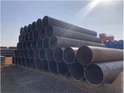
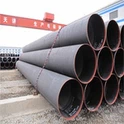
At our company, we offer a wide range of port building piles that are suitable for installation in areas with strong currents. Our As1163 C350 Q345b SSAW Piling Pipe is made from high - strength steel and is designed to withstand the harsh hydrodynamic forces exerted by strong currents. The pipe has a smooth surface finish, which reduces the drag forces and makes it more resistant to corrosion.
We also provide C350 L0 AS1163 Australia Structure Pipe, which is specifically engineered for use in offshore and coastal structures. This pipe is manufactured to meet the strict Australian standards and has excellent mechanical properties, making it an ideal choice for port building projects in strong current areas.
Conclusion
In conclusion, while installing port building piles in areas with strong currents is challenging, it is certainly feasible with the right approach and the use of suitable pile products. By understanding the engineering challenges, considering the factors that affect pile installation, and using appropriate techniques, it is possible to successfully install piles in these demanding environments.
If you are planning a port building project in an area with strong currents, we invite you to contact us to discuss your specific requirements. Our team of experts can provide you with detailed information about our pile products and help you choose the best solution for your project. We are committed to providing high - quality port building piles and excellent customer service, and we look forward to working with you on your next project.
References
- API RP 2A-WSD. Recommended Practice for Planning, Designing and Constructing Fixed Offshore Platforms – Working Stress Design. American Petroleum Institute.
- ISO 19902. Petroleum and natural gas industries – Fixed steel offshore structures. International Organization for Standardization.
- Brinch Hansen, J. (1963). A revised and extended formula for bearing capacity. Danish Geotechnical Institute Bulletin, 28.