Hey there! As a supplier of ASTM A671 steel pipes, I've been getting a lot of questions lately about how to improve the fire - resistance of these pipes. So, I thought I'd share some insights on this topic.
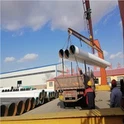
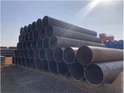
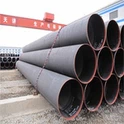
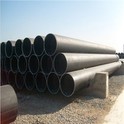
ASTM A671 steel pipes are widely used in various industries, especially in high - pressure and moderate - temperature applications. For instance, EFW Carbon Alloy Steel Pipes High Pressure and High Pressure & Moderate Temp EFW Pipes fall under this category. They're great for transporting fluids and gases in power plants, refineries, and chemical plants. But when it comes to fire safety, we need to take some extra steps.
Understanding the Basics of Fire Resistance
First off, let's talk about what fire resistance means for steel pipes. Fire resistance is the ability of a material to withstand fire and maintain its structural integrity for a certain period. In the case of ASTM A671 steel pipes, when exposed to high temperatures, the steel can start to lose its strength and stiffness. This can lead to pipe failure, which is a big no - no in industries where safety is crucial.
Coating the Pipes
One of the most common ways to improve fire resistance is by applying fire - resistant coatings. These coatings act as a barrier between the steel and the fire. There are different types of coatings available in the market. Intumescent coatings are a popular choice. When exposed to high temperatures, these coatings expand and form a thick, insulating char layer. This char layer slows down the transfer of heat to the steel, giving the pipe more time to maintain its strength.
Another type of coating is the cementitious coating. These coatings are made of cement and other additives. They provide a physical barrier that protects the steel from direct contact with the fire. Cementitious coatings are relatively inexpensive and easy to apply, but they may be more brittle compared to intumescent coatings.
Adding Alloying Elements
Alloying is another effective method. By adding certain elements to the steel during the manufacturing process, we can enhance its fire - resistant properties. For example, adding chromium (Cr) can improve the oxidation resistance of the steel. When the steel is exposed to high temperatures, chromium forms a protective oxide layer on the surface, which prevents further oxidation and degradation of the steel.
Molybdenum (Mo) is also a useful alloying element. It can increase the strength and hardness of the steel at high temperatures. This means that the pipe is less likely to deform or fail when exposed to fire. However, adding too many alloying elements can also have some drawbacks. It can increase the cost of production and may affect other properties of the steel, such as its weldability.
Insulation Wrapping
Insulation wrapping is a simple yet effective way to improve fire resistance. Wrapping the pipes with fire - resistant insulation materials can significantly reduce the heat transfer to the steel. Materials like ceramic fiber blankets are commonly used for this purpose. These blankets have excellent thermal insulation properties and can withstand high temperatures.
They can be easily wrapped around the pipes and secured with wire or tape. Insulation wrapping not only improves fire resistance but also helps in energy conservation by reducing heat loss from the pipes during normal operation.
Design Considerations
The design of the piping system also plays a crucial role in fire resistance. For example, proper spacing between pipes can prevent the spread of fire. If pipes are too close together, a fire in one pipe can quickly spread to the others. So, make sure to follow the recommended spacing guidelines during installation.


Also, consider the layout of the pipes. Avoid routing pipes through areas with a high risk of fire, such as near furnaces or flammable storage areas. If it's unavoidable, take extra precautions like installing fire - rated barriers around the pipes.
Testing and Certification
Once you've taken steps to improve the fire resistance of your ASTM A671 steel pipes, it's important to get them tested and certified. There are various testing standards available, such as ASTM E119, which measures the fire - resistance rating of building materials. By getting your pipes tested and certified, you can ensure that they meet the required safety standards and give your customers peace of mind.
LTCS Pipe Considerations
If you're dealing with LTCS Pipe, which is designed for low - temperature service, the fire - resistance requirements may be a bit different. LTCS pipes are made of special alloys that can withstand low temperatures, but they still need to have adequate fire - resistance. The same methods of coating, alloying, insulation, and proper design can be applied to LTCS pipes as well.
In conclusion, improving the fire resistance of ASTM A671 steel pipes is a multi - faceted process. It involves choosing the right coating, adding appropriate alloying elements, using insulation wrapping, and considering the design of the piping system. By taking these steps, you can ensure that your pipes are safe and reliable, even in the event of a fire.
If you're in the market for high - quality ASTM A671 steel pipes or have any questions about improving their fire resistance, don't hesitate to reach out. We're here to help you make the best choice for your project.
References
- ASTM International. (2023). ASTM A671 Standard Specification for Electric - Fusion - Welded Steel Pipe for Atmospheric and Lower Temperatures.
- National Fire Protection Association. (2022). NFPA 5000 Building Construction and Safety Code.
- Steel Construction Institute. (2021). Fire Resistance of Steel Structures.