What are the considerations for installing port building piles in contaminated soil?
As a supplier of Port Building Piles, I've witnessed firsthand the complexities and challenges that come with installing piles in contaminated soil. This issue is not just a technical hurdle but also an environmental and regulatory concern that requires careful consideration from all stakeholders.


1. Site Investigation and Soil Analysis
The first and most crucial step in installing port building piles in contaminated soil is a comprehensive site investigation. This involves collecting soil samples from multiple locations across the site to determine the nature, extent, and concentration of contaminants. Common contaminants in port areas may include heavy metals, petroleum hydrocarbons, and industrial chemicals.
Soil analysis techniques such as chemical testing, geophysical surveys, and borehole logging can provide valuable information about the soil's physical and chemical properties. Understanding the stratigraphy of the soil, including the depth and thickness of contaminated layers, is essential for selecting the appropriate pile type and installation method.
For example, if the soil contains high levels of corrosive contaminants like sulfates or chlorides, it can significantly affect the durability of steel piles. In such cases, special coatings or corrosion-resistant materials may be required to protect the piles from degradation over time.
2. Pile Selection
Based on the results of the site investigation, the next step is to select the most suitable type of port building piles. There are several factors to consider when making this decision, including the load-bearing capacity requirements, soil conditions, and the presence of contaminants.
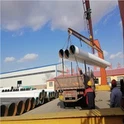
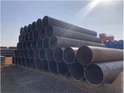
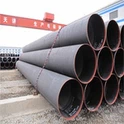
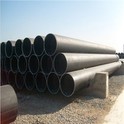
- Steel Piles: Steel piles are a popular choice for port construction due to their high strength, durability, and ease of installation. However, as mentioned earlier, they are susceptible to corrosion in contaminated soil. To mitigate this risk, steel piles can be coated with epoxy or other protective materials. EN 10219 Structure Pipe is a type of steel pipe that meets specific European standards for structural applications and can be used as piles in port construction.
- Concrete Piles: Concrete piles are another option, especially in areas where the soil is less corrosive. They are resistant to chemical attack and can provide excellent long-term performance. However, they may be more difficult to install in hard or rocky soil conditions.
- Composite Piles: Composite piles combine the advantages of different materials to achieve optimal performance. For example, a steel core can be encased in a concrete shell to provide both strength and corrosion resistance. Euro Underground Pile is a type of composite pile that is designed for underground applications and can be used in contaminated soil.
3. Installation Method
The installation method of port building piles can also have a significant impact on the success of the project. There are several methods available, each with its own advantages and disadvantages.
- Driven Piles: Driven piles are installed by hammering or vibrating them into the ground. This method is relatively fast and can be used in a wide range of soil conditions. However, it can cause significant noise and vibration, which may be a concern in sensitive areas. In addition, the driving process can displace the contaminated soil, potentially spreading the contaminants to other areas.
- Bored Piles: Bored piles are installed by drilling a hole in the ground and then filling it with concrete or other materials. This method is less noisy and causes less vibration than driven piles. It also allows for better control of the pile's position and垂直度. However, it can be more time-consuming and expensive, especially in hard or rocky soil conditions.
- Jacket Piles: Jacket piles are used in offshore platform construction and are typically made of steel. They are installed by lowering a prefabricated jacket structure onto the seabed and then driving the piles through the legs of the jacket. Jacket Offshore Platform Structure Pipe is a type of steel pipe that is specifically designed for this application.
4. Environmental Considerations
Installing port building piles in contaminated soil can have a significant impact on the environment. Therefore, it is essential to take appropriate measures to minimize the environmental impact of the project.
- Contaminant Migration: During the pile installation process, there is a risk of contaminant migration from the soil to the surrounding environment. This can occur through soil displacement, groundwater flow, or the release of contaminated soil particles into the air. To prevent this, measures such as soil stabilization, groundwater monitoring, and dust control should be implemented.
- Waste Management: The excavation and removal of contaminated soil during the pile installation process can generate a significant amount of waste. This waste should be properly managed and disposed of in accordance with local regulations. Recycling and reuse of the excavated soil may also be possible in some cases.
- Ecological Impact: The construction of port facilities can have a negative impact on the local ecosystem. Therefore, it is important to conduct an environmental impact assessment before starting the project and to implement measures to minimize the impact on wildlife, habitats, and water quality.
5. Regulatory Compliance
Installing port building piles in contaminated soil is subject to a variety of regulations and permits. These regulations are designed to protect the environment, public health, and safety. Therefore, it is essential to ensure that the project complies with all applicable regulations.
- Environmental Regulations: Depending on the location of the project, there may be regulations governing the management of contaminated soil, water quality, and air emissions. These regulations may require the submission of environmental impact assessments, permits, and monitoring reports.
- Building Codes and Standards: In addition to environmental regulations, there are also building codes and standards that govern the design and construction of port facilities. These codes and standards specify the minimum requirements for pile design, installation, and testing.
6. Monitoring and Maintenance
Once the port building piles are installed, it is important to monitor their performance over time to ensure their long-term durability and safety. This can involve regular inspections, monitoring of soil conditions, and testing of the piles' load-bearing capacity.
- Inspection and Monitoring: Regular inspections of the piles should be conducted to detect any signs of damage, corrosion, or settlement. Monitoring of soil conditions, such as groundwater levels and soil moisture content, can also provide valuable information about the performance of the piles.
- Maintenance and Repair: If any issues are detected during the inspection or monitoring process, appropriate maintenance and repair measures should be taken immediately. This may involve applying additional coatings to protect the piles from corrosion, or repairing any damage to the piles.
In conclusion, installing port building piles in contaminated soil is a complex and challenging task that requires careful planning, site investigation, pile selection, installation method, environmental considerations, regulatory compliance, and monitoring and maintenance. As a supplier of Port Building Piles, we understand the importance of these considerations and are committed to providing our customers with high-quality products and services that meet their specific needs. If you are planning a port construction project and need help with pile selection or installation, please feel free to contact us for a consultation. We look forward to working with you to ensure the success of your project.
References
- ASTM International. (2021). Standard Test Methods for Chemical Analysis of Soil. ASTM D2974-14.
- International Maritime Organization. (2019). Guidelines for the Management of Contaminated Sediments in Ports and Harbors.
- Smith, J. T., & Johnson, R. E. (2018). Pile Foundation Design and Construction. McGraw-Hill Education.
- U.S. Environmental Protection Agency. (2020). Remediation of Contaminated Sediments at Superfund Sites. EPA 542-R-18-001.